CCTV News: Business concentration is a legal term, commonly speaking, investment and mergers and acquisitions. Data released by the State Administration for Market Regulation on April 16 showed that in the first quarter of this year, a total of 177 cases of operator concentration were concluded, of which 174 were unconditionally approved and 3 were withdrawn by the applicant after acceptance. In the first quarter of this year, the number of unconditional approval of concentration of operators increased by 12% year-on-year, domestic enterprise mergers and acquisitions were relatively active, and manufacturing mergers and acquisitions in the fields of automobiles, chemical raw materials, etc. performed well.
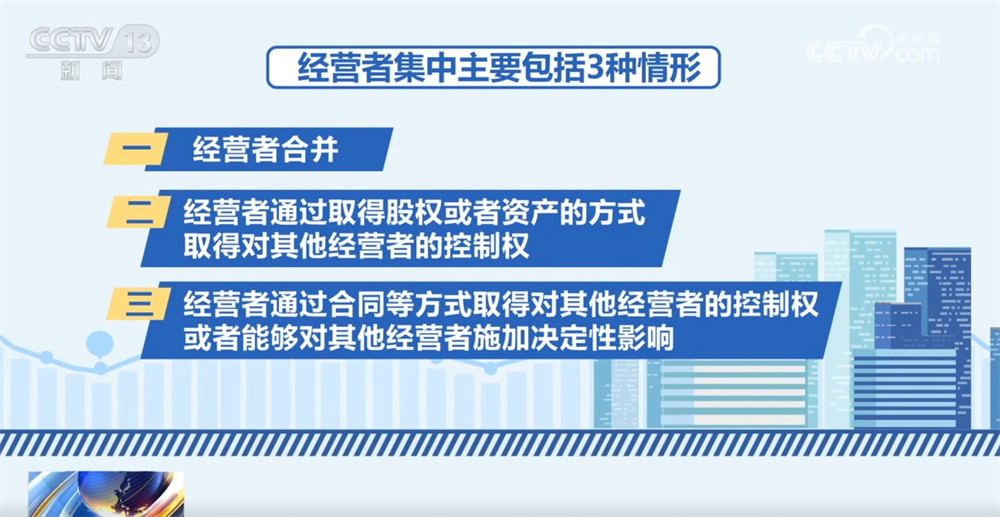
According to the State Administration for Market Regulation, the concentration of operators mainly includes three situations: one is the merger of operators; the second is the operator obtains control over other operators by obtaining equity or assets; the third is that operators obtain control over other operators through contracts and other means or can exert a decisive influence on other operators.
Data shows that from the perspective of case types, the vast majority of cases of business concentration are simple cases, and the cases are closed during the preliminary review stage (within 30 days after acceptance), and 154 simple cases were concluded, accounting for about 89%.
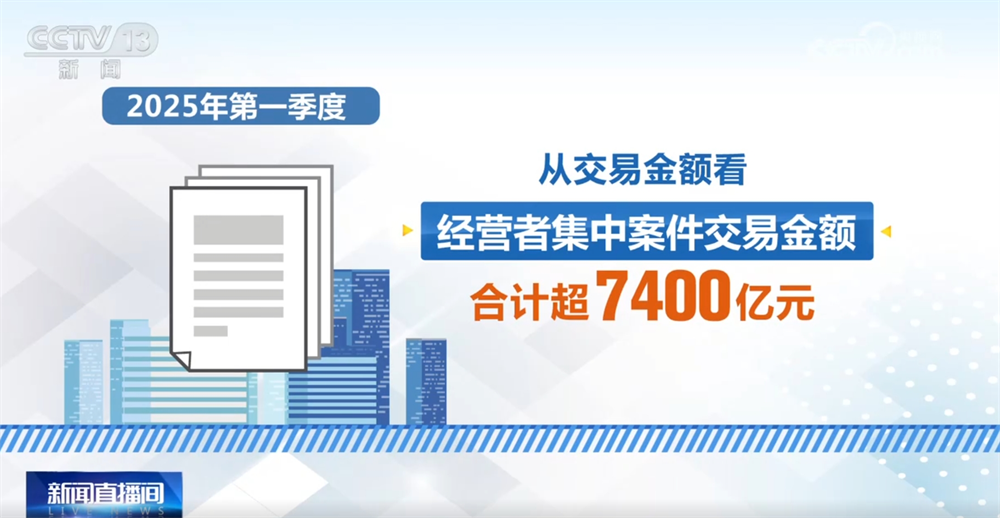
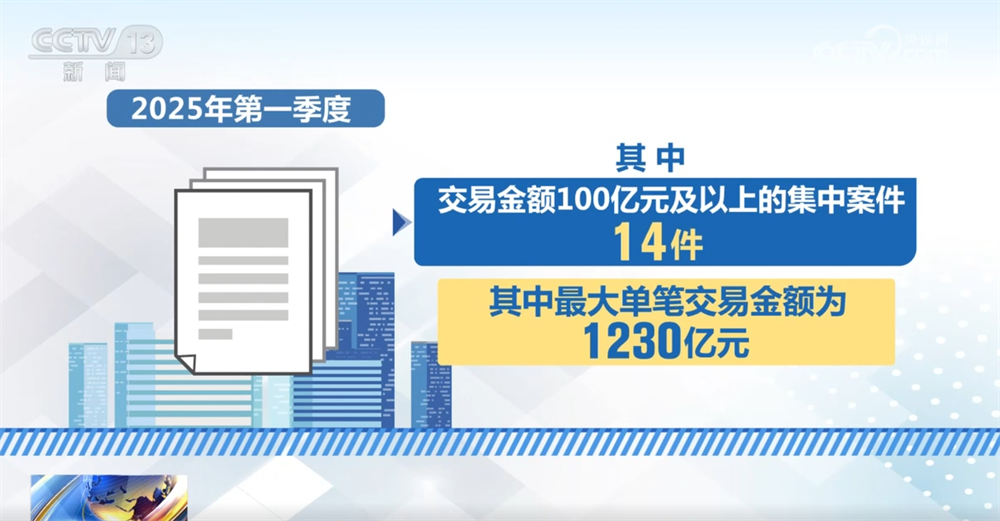
In terms of transaction amount, the total transaction amount of operator concentration cases exceeds 740 billion yuan, and there are 14 concentrated cases of 10 billion yuan or more, of which the largest single transaction amount is 123 billion yuan.
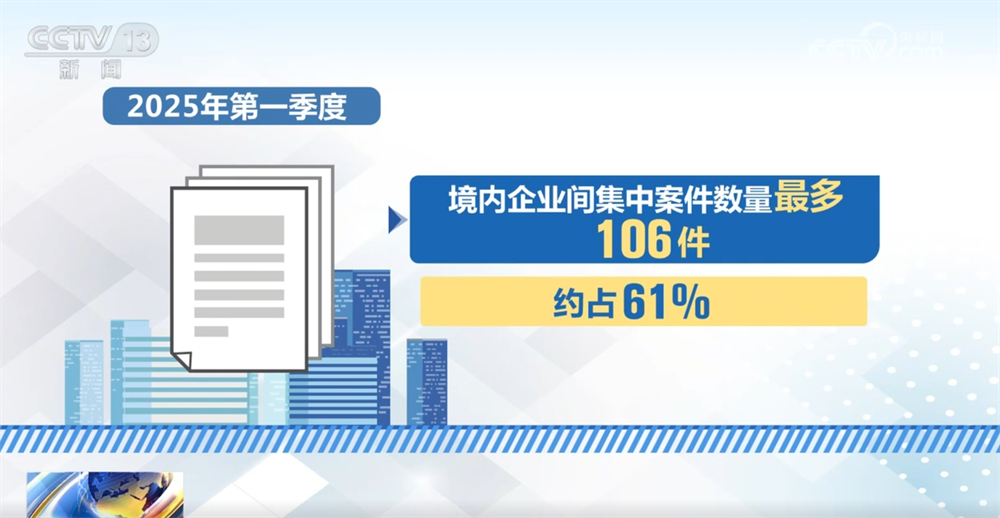
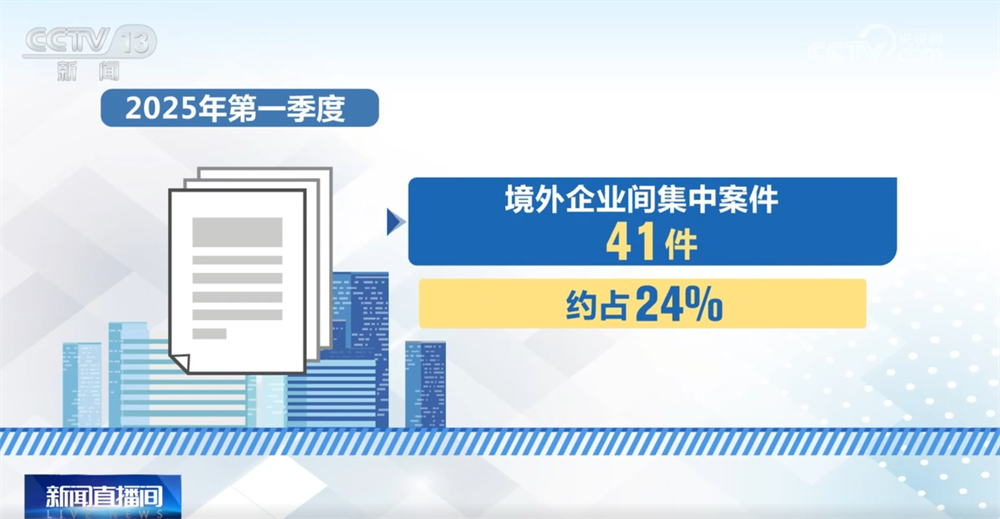
From the perspective of domestic and foreign concentrated types, domestic enterprises are actively investing. The number of concentrated cases between domestic enterprises is the largest, with 106 cases, accounting for about 61%; the number of concentrated cases between overseas enterprises is 41, accounting for about 24%.
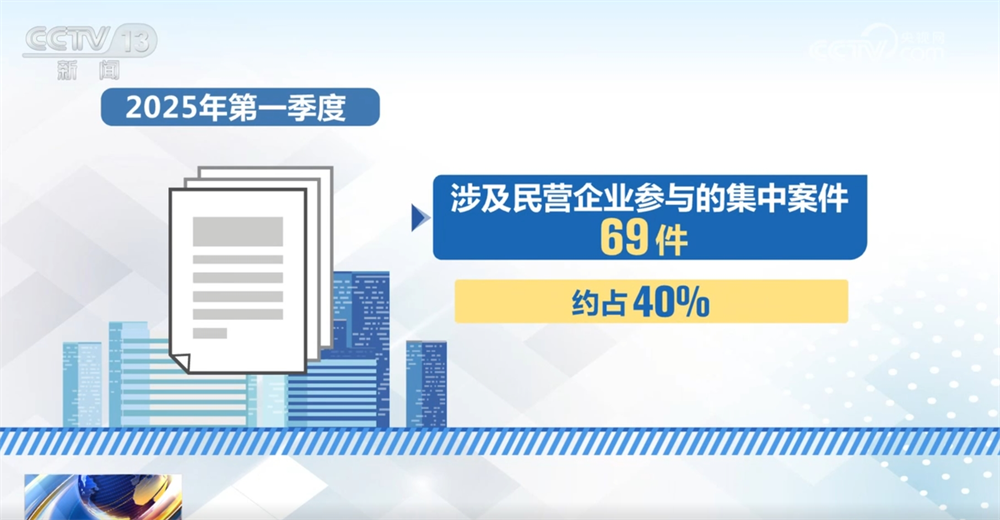
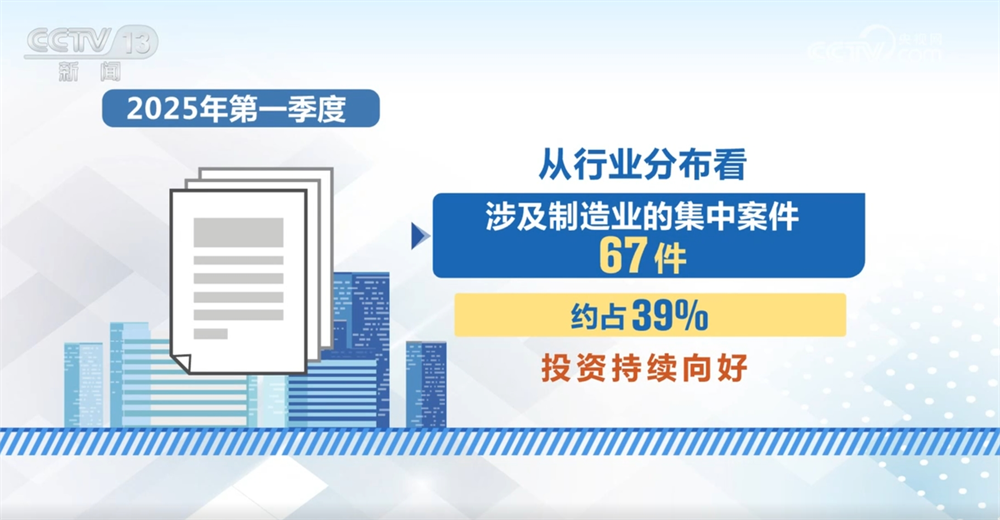
From the perspective of ownership structure, multiple ownership entities have developed balancedly, involving 104 concentrated cases involving state-owned enterprises, accounting for about 60%; involving 69 concentrated cases involving private enterprises, accounting for about 40%; involving 71 concentrated cases involving foreign enterprises, accounting for about 41%. From the perspective of industry distribution, the most concentrated cases involving the manufacturing industry were 67, accounting for about 39%, and investment continued to improve.