The layered pore sponge is one of the iconic shallow sea reef-making animals in the Ordovician-Devonian (Paleozoic), and its role, ecological status and geographical distribution in reef construction are similar to modern corals. In the late Central Ordovician Dariwell period (460 million years ago), layered sponges were integrated into the global reef ecosystem in the tropical to subtropical climate zones almost simultaneously. Due to the influence of marine biodiversity during the Ordovician biological radiation event, the reef ecosystems during this period changed from microbial dominant to layered pore sponges and corals. However, the sudden integration of layered pore sponges into the reef ecosystem has triggered a series of interesting key scientific questions: When did the earliest layered pore sponges appear? How do they obtain mineralized bones? What role did the earliest layer hole sponge play in the ancient ecology? How do they become an important part of the reef ecosystem? A series of problems are unknown due to the lack of fossil records of early layered sponges.
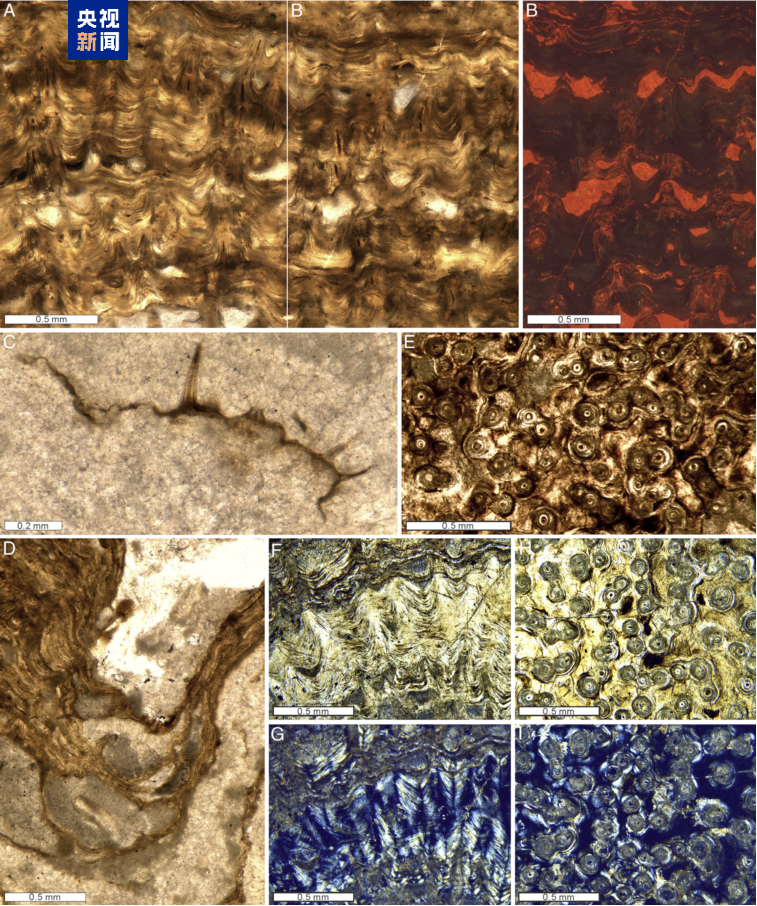
Sponge structure of the erected hair layer hole
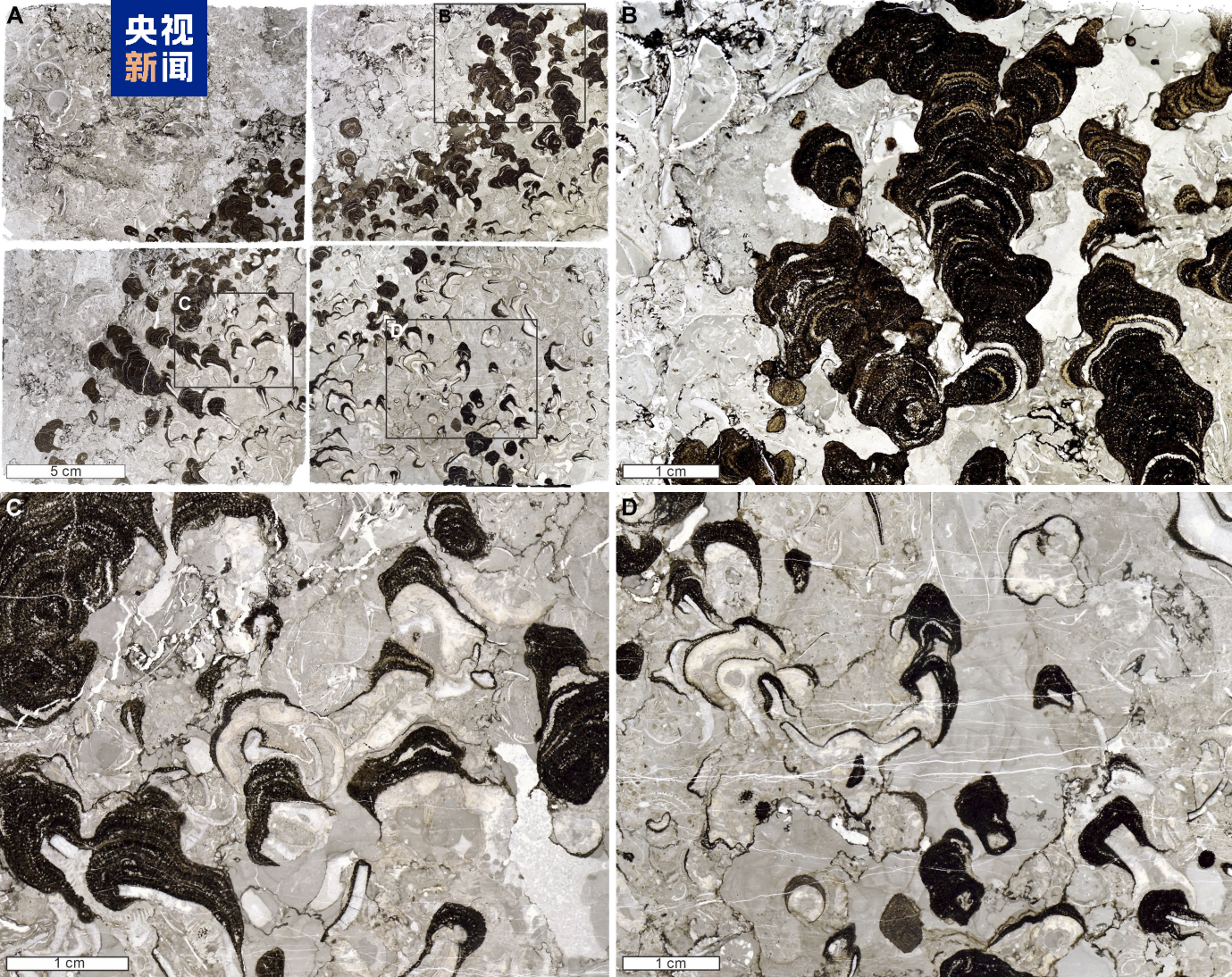
Early Ordovician layered pore sponge discovered in Yuan'an, Yichang - Echinoderm Reef
Recently, the Early Paleozoic Research Team of the Nanjing Institute of Geology and Paleontology, Chinese Academy of Sciences and other experts discovered the oldest layered pore sponge fossil to date in Yuan'an, Yichang, Yichang, called the ancestral coronal layered pore sponge. This discovery not only advanced the fossil record of reef-building sponges about 20 million years, but also revealed the unique mechanisms of early reef ecosystems and biomineralization evolution. The results were published in the Proceedings of the National Academy of Sciences (PNAS) on April 1, Beijing time.
Through research, researchers found that the Lazu corona pore sponge is constructed by fluorapatite, which has never been seen in the entire sponge category. This new discovery establishes the Porous Planet, the first known metazoan phylum to utilize three major biological minerals (silicon, calcium carbonate and calcium phosphate). The presence of phosphate in the bones of early layer pore sponges expands human understanding of the biomineralization capabilities of early animals, suggesting that early sponges may already have the genetic capabilities required for diversified biomineralization strategies.
Not only that, the yangzu crown pore sponge also forms a complex reef structure, which plays a key role in the framework of building and combining other reef-making biological components (such as calcium microorganisms, pine sponges, bottle-basket stones, echinoderm, etc.). The complexity of the reef structures built by these early layered sponges is comparable to that of later reef ecosystems. This discovery advanced the fossil record of reef-forming pore sponges by about 20 million years.
This study not only fills the gap in the early evolutionary history of layer pore sponges, but also provides a new perspective for understanding the biomineralization process of early animals, reveals the complexity of reef ecosystems in critical periods in the history of the earth, and how organisms adapt and change the environment, promotes our understanding of the evolution of early life, and provides a new direction for future study of the interaction between the early earth environment and organisms. It demonstrates that biodiversity and ecosystem complexity existed in the early stages of Earth's history (480 million years ago), providing valuable clues to our understanding of the origins and evolution of modern marine ecosystems.
(CCTV reporter Shuai Junquan Chu Erjia)