The reporter learned from the Guangxi Forestry Bureau that recently, a technical team composed of Guangxi Forestry Design Institute, Guangxi Botanical Research Institute and other units discovered a new species of lindenaceae - Shishan Linden during an investigation in the planned creation area of the Southwest Karst National Park. This is the first time that Titanium is discovered in karst areas. Related research results have been published in the authoritative international journal PhytoKeys.
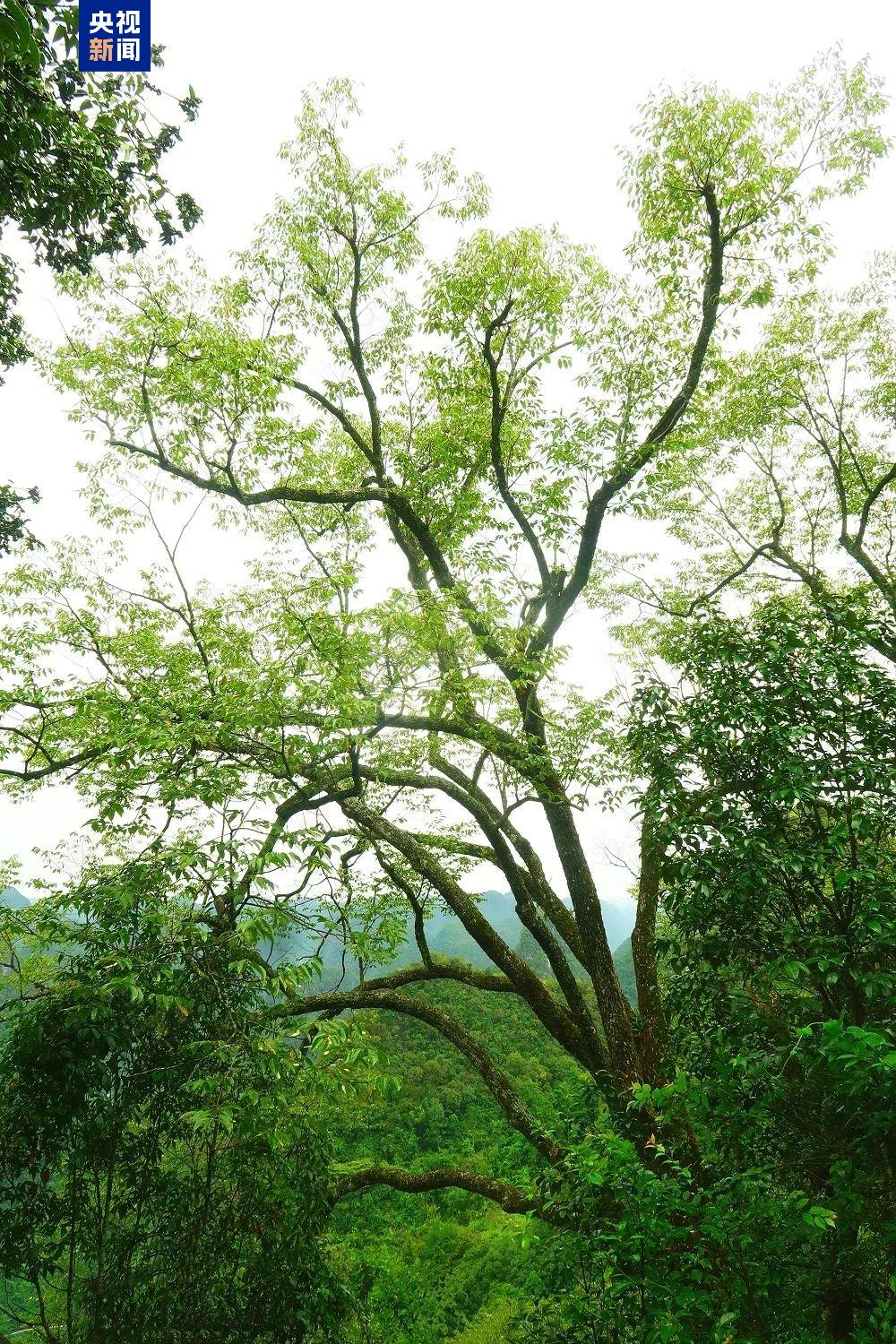
In July 2023, when the technical team conducted a special plant survey, a tall tree was found in the Shishan forest in Nonghe Village, Qibainang Township, Dahua Yao Autonomous County. After comparing the anatomical characteristics of the specimens and flowers, it was confirmed that it was a Titanium genus of the Malvaceae family, but its leaves were oblong or ovate and had a skewed base. The morphological characteristics were obviously different from those of the known Titanium genus leaves, usually ovate or broad-ovate, and the leaf-based heart-shaped.
After systematically reviewing and comparing relevant domestic and foreign literature and specimens, researchers confirmed that the species is a new plant species that has not been described and reported. Because it grows in a karst habitat, it was named "Shishan Linden".
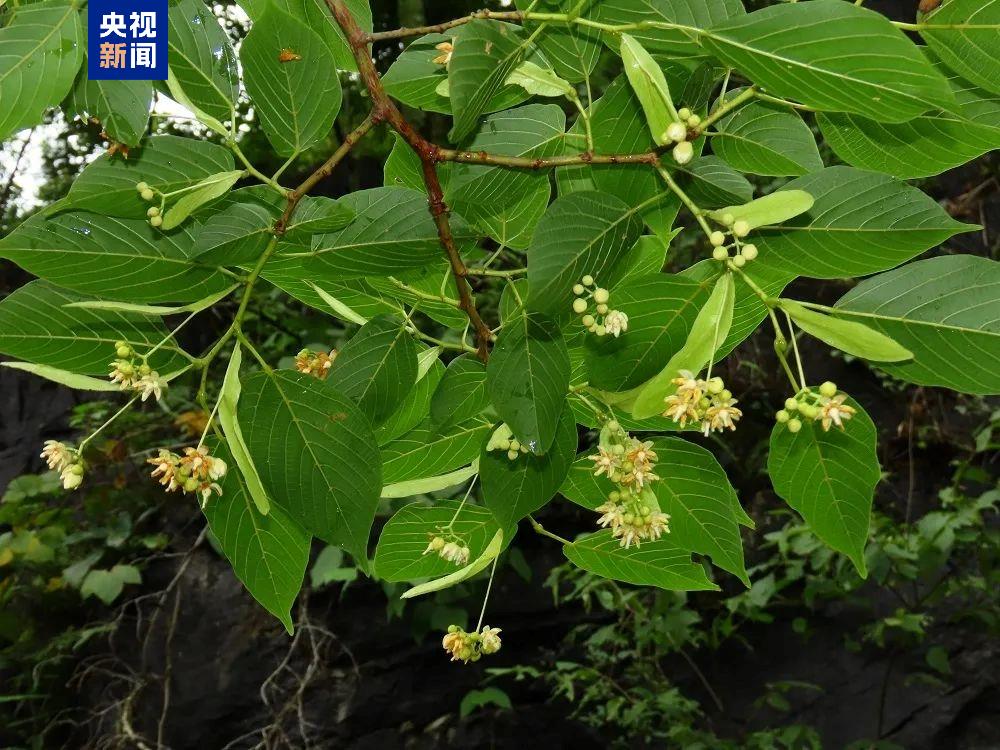
According to Xu Weibin, a researcher at Guangxi Botanical Research Institute, subsequent investigations found that Shishan linden has 5 distribution points, all of which grow in karst stone mountain forests, and is a unique tree species in the karst region of Guangxi. According to the IUCN species red list and rating criteria, the preliminary assessment was as endangered (EN) grade.
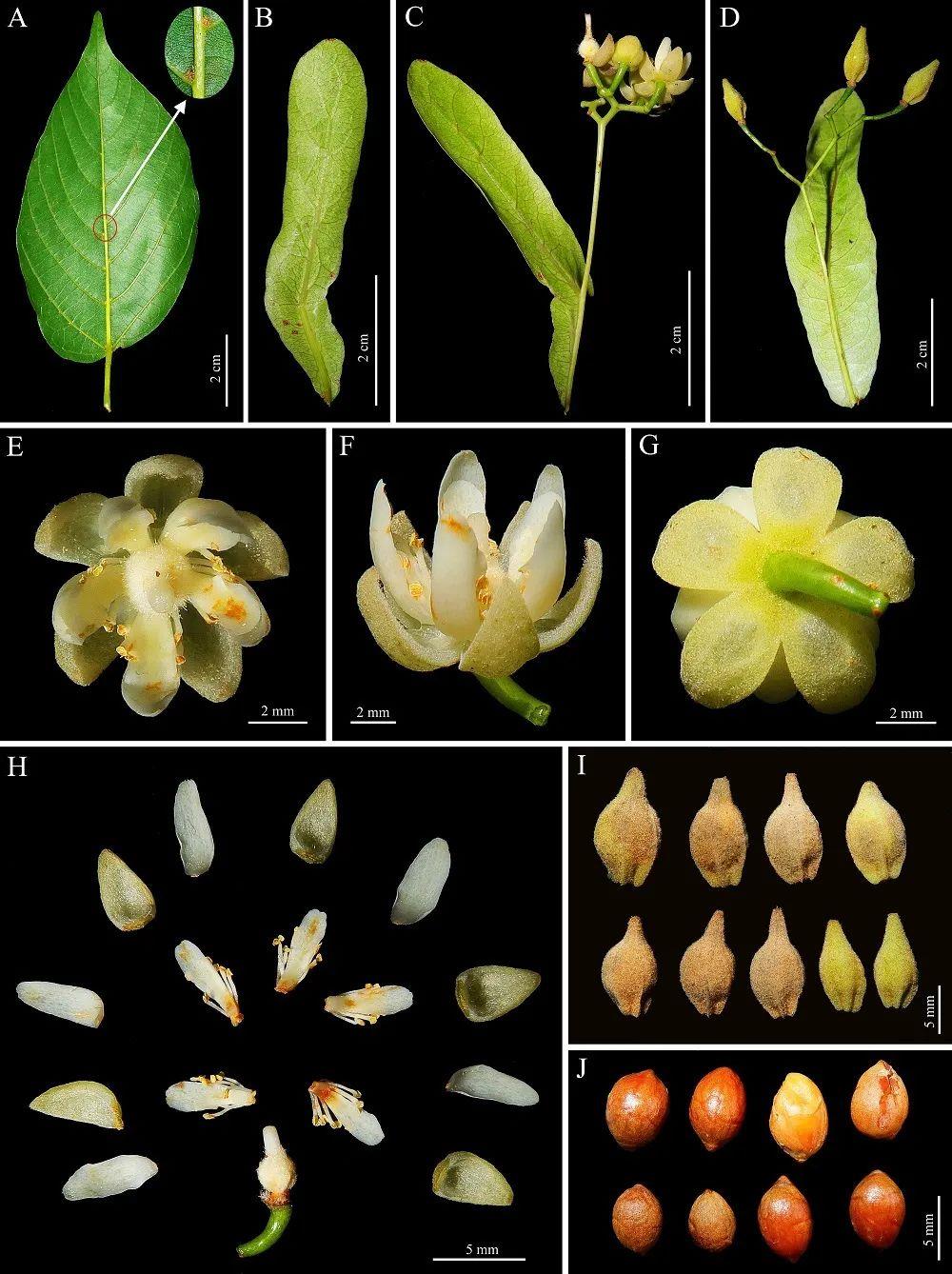
The discovery of Shishan Lind not only fills the gap in the distribution of titilapia in the karst region, but also enriches the plant background resource data of the proposed area of the Southwest Karst National Park and the species diversity of titilapia in my country, providing important research materials for the adaptive evolution of this genus in the karst region.
(Reporter Liao Mi and Liu Chun of the General Station)