Recently, a brigade of the 83rd Group Army adopted the training model of using old to lead new ones, organized new pilots to carry out multi-course courses such as ground-to-air navigation, tactical takeoff and landing, and high-intensity cross-day and night flight training to temper young pilots' all-weather combat capabilities.
After the commander of the tower, the fighter jets took off in sequence according to the combat formation and flew quickly to the target airspace. During the flight, a variety of aircraft models were mixed and trained to conduct courses such as tactical maneuver and formation flight. The instructors of the same aircraft randomly set up simulation special situations such as instruments, hydraulics, and fuel system failures. The new pilot responded calmly according to the handling process and successfully drove the fighter to complete the training.
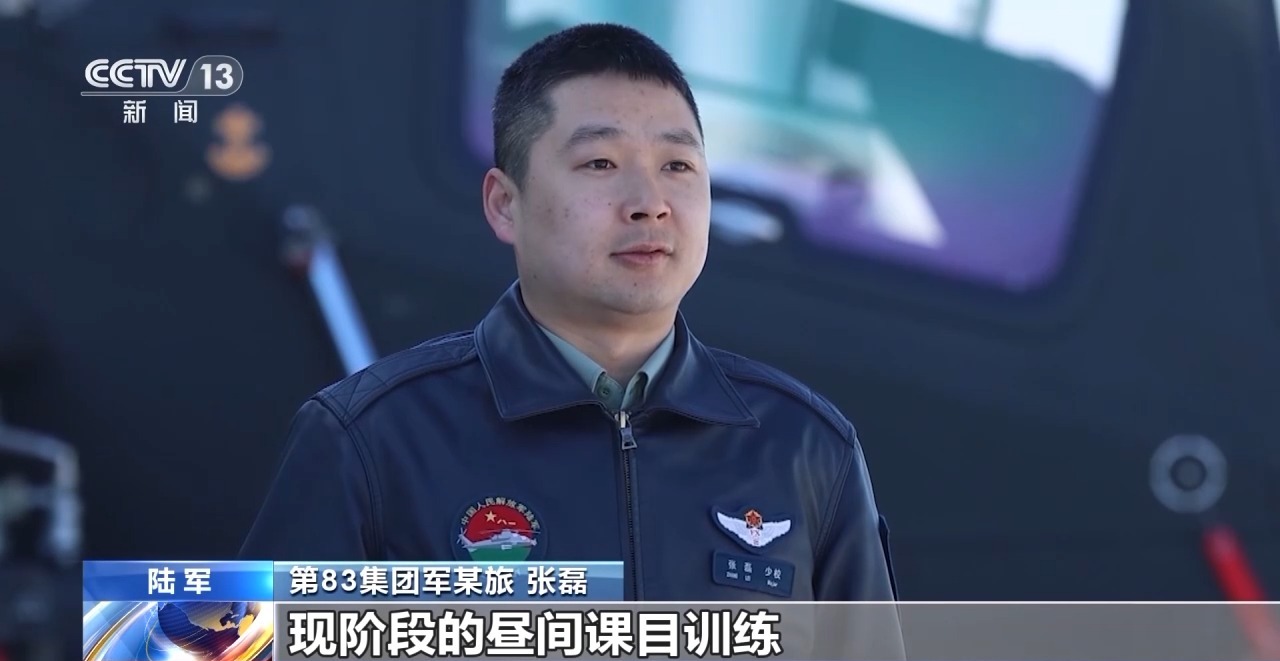
A Brigade of the 83rd Group Army Zhang Lei: In the current day course training, we focus on practicing young pilots' ability to deal with special situations and laying a solid foundation for their flight skills. Only by correctly dealing with special situations and allowing them to be fearless in the face of danger can we lay a solid foundation for the subsequent collaborative training and aircraft fleet training.
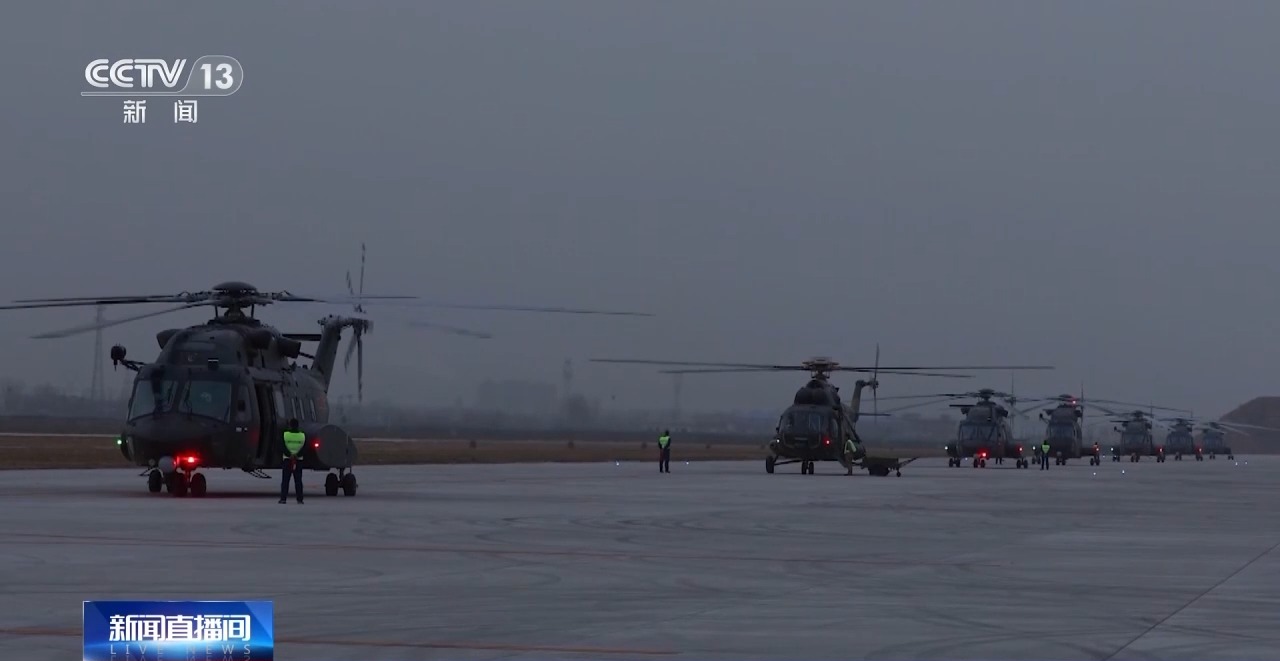
As night fell, ground support personnel quickly carried out night flight inspections and fuel supply work, and then night flight training began. Faced with a low-light environment, pilots need to use instruments to determine flight attitude and flight position, grasp the direction and speed, and build take-off and landing and airspace flight routes by themselves, and exercise the ability of new pilots to judge the airspace environment and operate fighter jets at night.
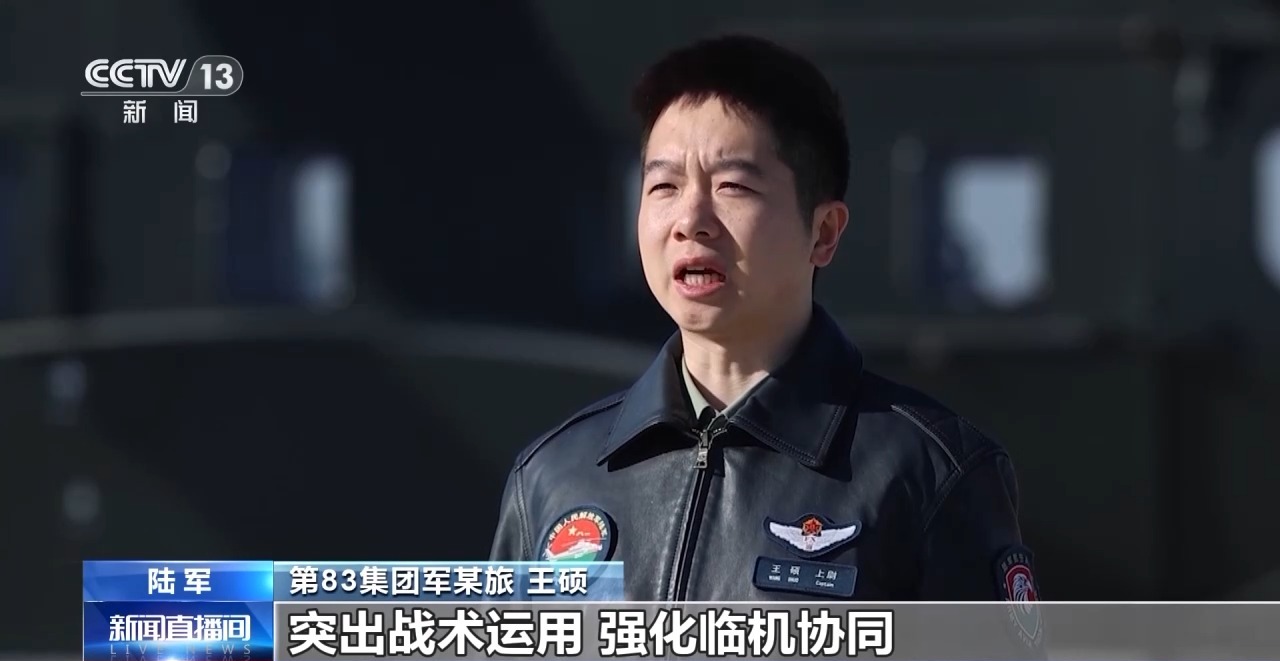
A Brigade of the 83rd Group Army Wang Shuo: We closely follow the actual combat requirements, highlight tactical application, strengthen on-aircraft coordination, deeply study and practice tactical tactics and tactics, and by constructing a realistic battlefield environment, the temporary aircraft embeds a variety of special situations, constantly tempering the pilot's ability to perform combat tasks in complex environments.