CCTV News: According to the China Manned Space Engineering Office, the Shenzhou 19 astronaut crew will implement the third outflow activity at an appropriate time.
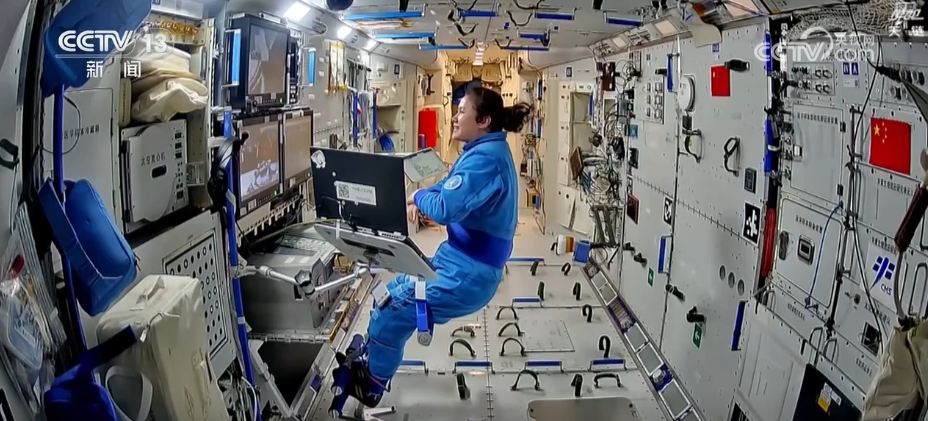
Since the successful completion of the second out-of-cabin activity, the Shenzhou 19 astronaut crew has successively carried out in-orbit training and full-system pressure emergency drills, and steadily promoted practical (trial) experiments in the fields of space life sciences and human body research, microgravity physics and new space technologies.
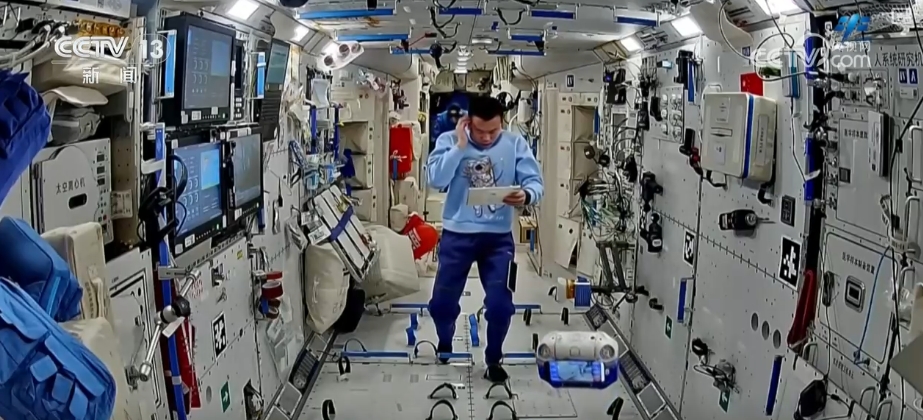
At the same time, in order to safely carry out this cabin exit activity, the crew carried out preparations for the third cabin exit activity such as environmental monitoring, equipment inspection and maintenance, material inventory, etc.
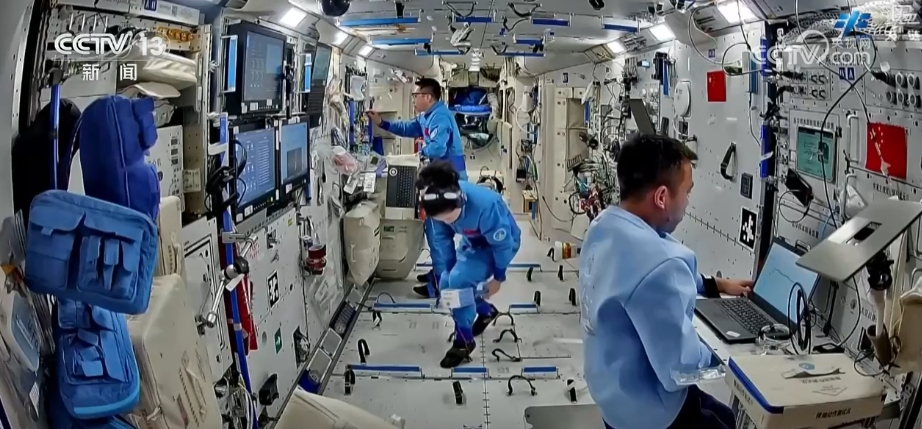
At present, the space station assembly is operating stably, and the Shenzhou 19 astronauts are in good condition. The third outflow activity will be carried out at the right time. How difficult is behind “feeling good”?
Every time we successfully leave the cabin, we can hear the familiar words of the astronaut, "I have left the cabin and feel good." This seemingly relaxed sentence is behind many challenges. Why do astronauts need to leave the cabin and what challenges will they face?
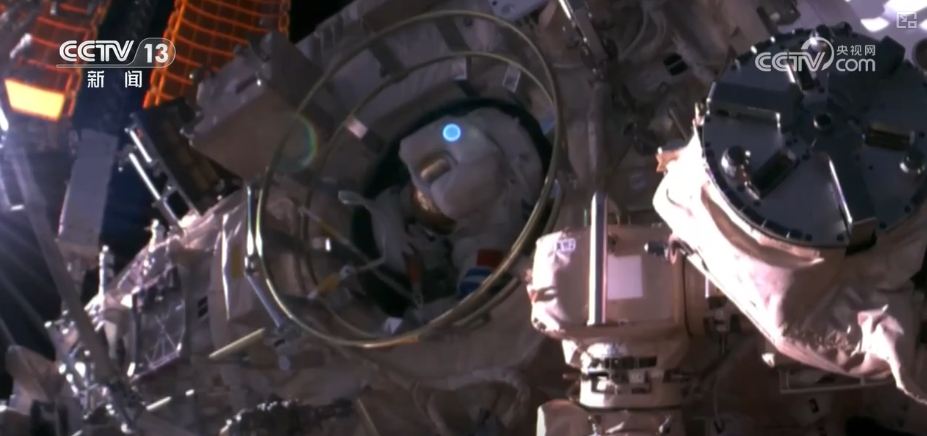
The exit activity is an irreplaceable link in manned space missions. It is known as the three key technologies of manned space flight, along with manned space return and travel, and space rendezvous and docking.
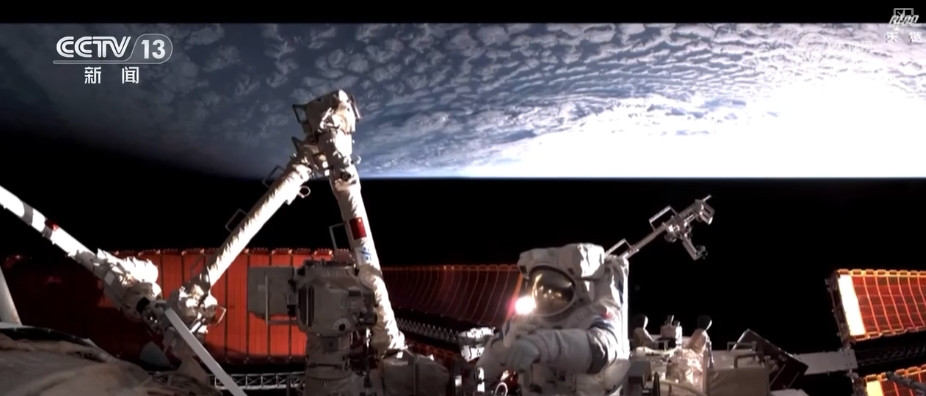
Aerospace science popularization expert Pang Zhihao introduced that spacewalk has six major uses: one is to assemble and expand the space station in space, the second is to repair and maintain spacecraft in space, the third is to recycle and maintain and release satellites, the fourth is to complete some scientific research tasks, the fifth is to carry out emergency space rescue activities, and the sixth is to land on the moon. In the future, people will be carried on Mars, so space walking is very important.
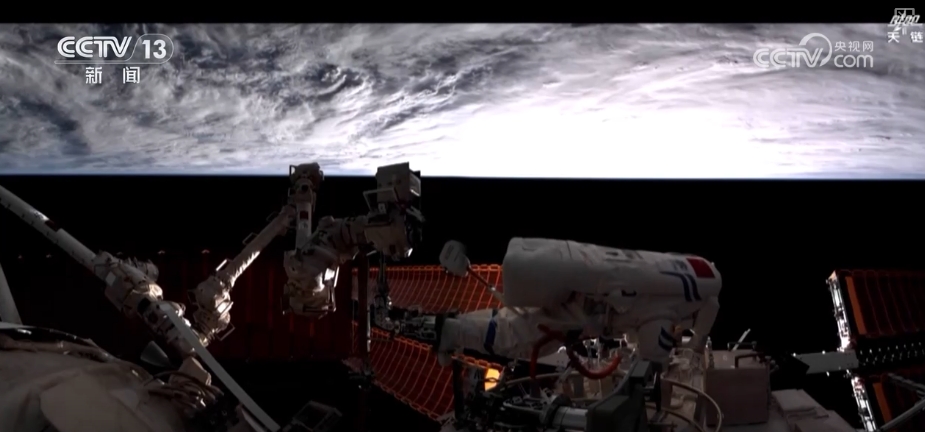
In the cabin exit activity, the construction and maintenance of the space station are mainly completed, relevant operations in scientific research are carried out, and various verifications and operations related to engineering technology are completed. At present, China's space station has entered normal operation from the construction stage, and the tasks of leaving the cabin have become more complex and diverse.
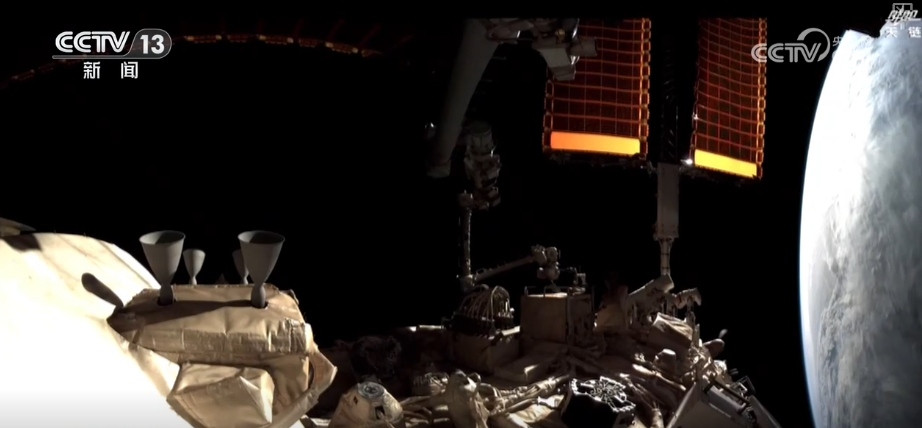
The exit activities are very difficult, very challenging, and very dangerous. In the outer space environment, vacuum environment, extreme high and low temperatures, space debris, space radiation, etc. are all dangers faced by out-of-cabin activities.
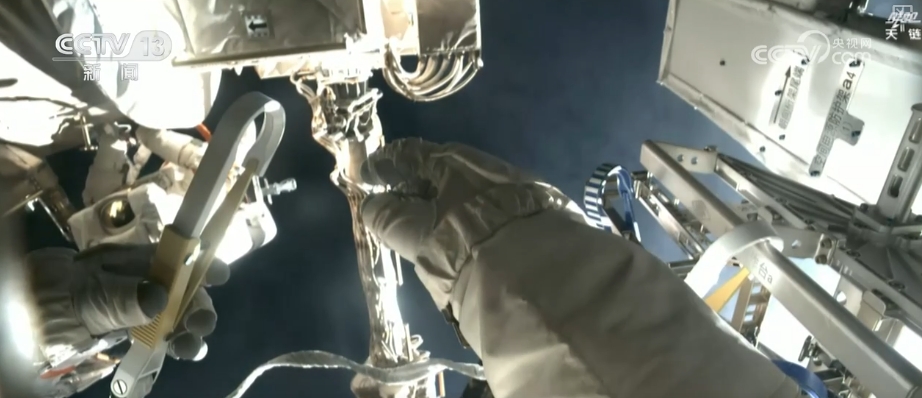
Pang Zhihao introduced that, first, there is no way to go in space, second, astronauts cannot walk with their legs when they are weightless, mainly relying on their hands to walk like rock climbing, third, the environment outside the cabin is very harsh, and a complex and reliable out-of-cabin activity system must be used to overcome the impact of the space environment. How to develop astronauts’ “superpowers” in space walking?
As the saying goes, "One minute on stage, ten years of hard work off stage." The same is true for astronauts to leave the cabin. Every movement in the sky must be simulated repeatedly on the ground. What are these trainings? How can we train to develop the "super power" of space walking?
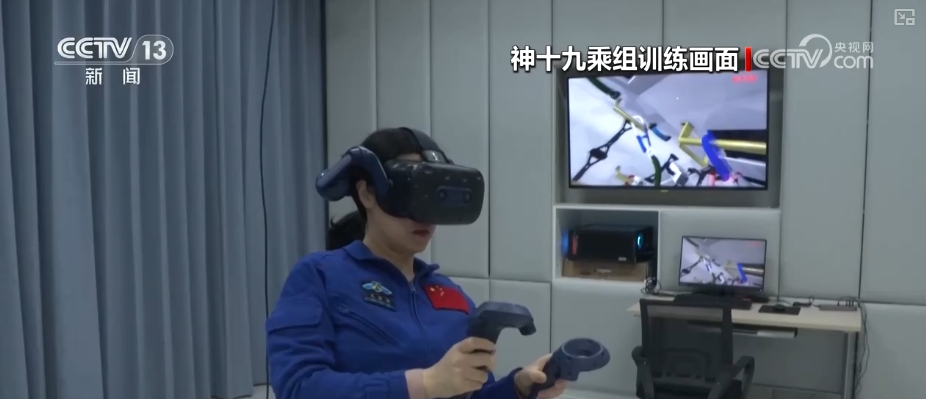
There are many training subjects for outbound activities, the first is technical training, including basic theory of outbound activities, professional theory and operation skills, outbound procedures and outbound tasks. The tasks of astronauts each time they leave the cabin are different, so the content of the training of the cabin mission is also uncertain.
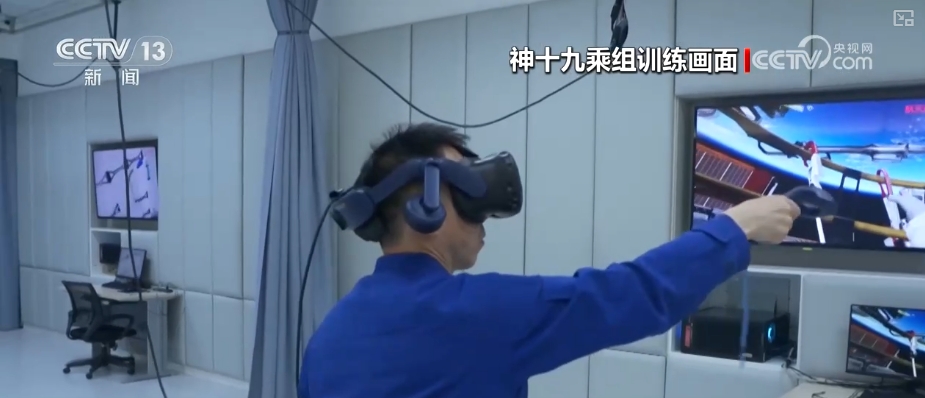
In addition, there are many equipment to help astronauts train. The out-of-cabin program training simulator is a system that combines physical objects, simulations and computer simulations, which can simulate most of the states of the out-of-cabin space suits and airlock compartments during use.
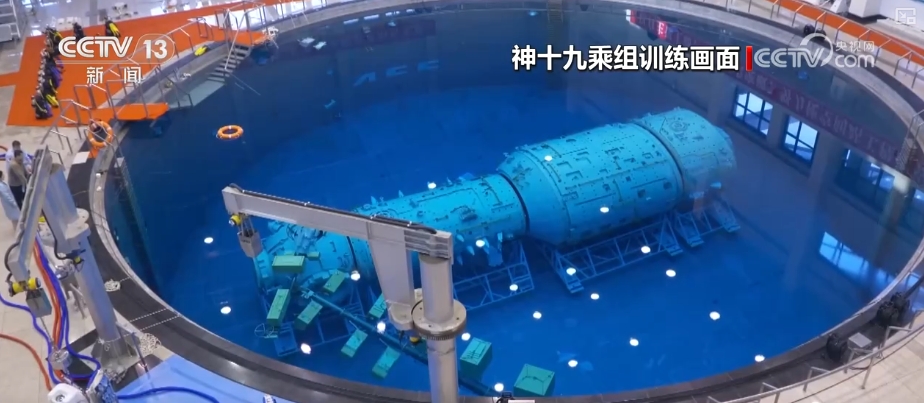
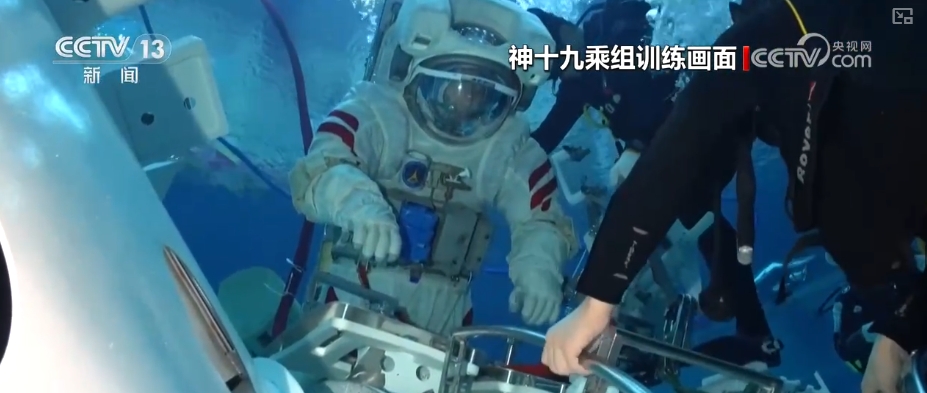
Simulation weightless sinks can provide astronauts with a training environment for weightlessness, which is the most effective training method for out-of-cabin activities, especially out-of-cabin operations such as out-of-cabin walking, out-of-cabin assembly and maintenance.
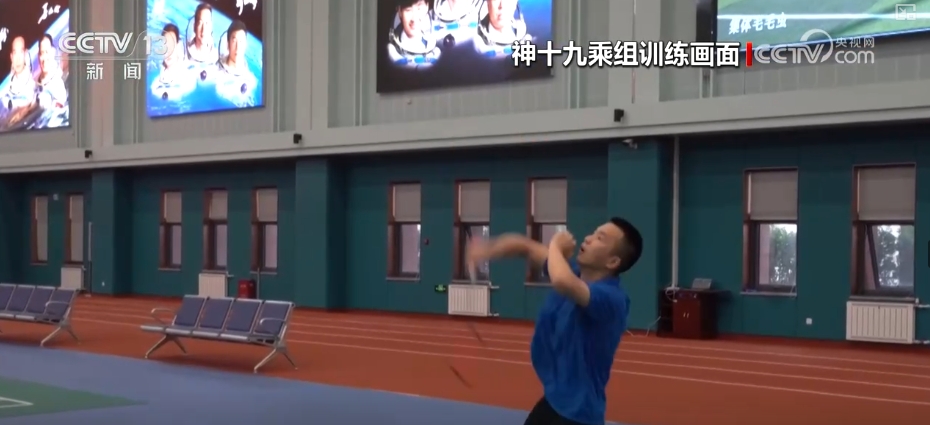
In addition to various targeted special training, astronauts also need to perform physical strength training, including upper limb strength training and core strength training.
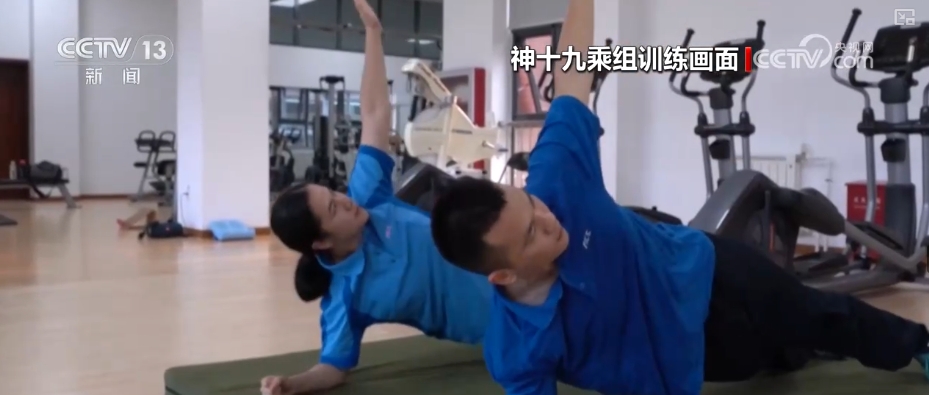
Pang Zhihao introduced that to master the movement and control technology in space, the most important thing is to keep the astronauts in a certain position when they are weightless, which requires holding the surrounding handrails. Therefore, the astronaut's wrists and arms are very important.