
CCTV News: Recently, the General Office of the CPC Central Committee and the State Council issued the "Special Action Plan to Boost Consumption" and proposed to study and establish a childcare subsidy system to encourage the development of community embedded childcare, employers' integrated services for childcare and childcare. How to reduce the burden of parenting? Let’s see the reporter’s visit in Beijing.
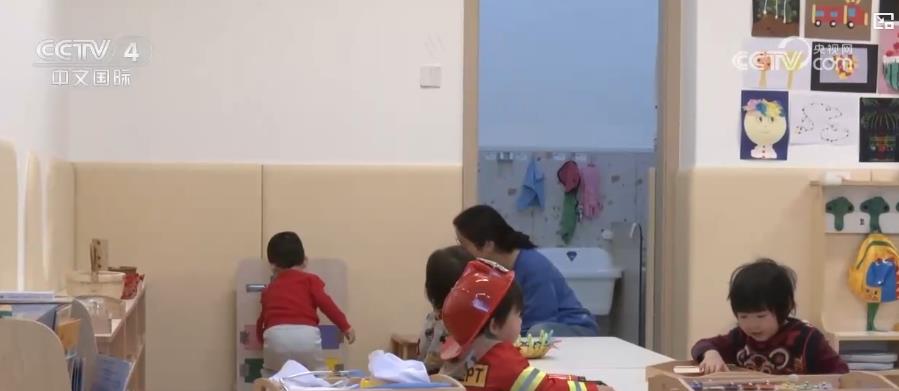
CCTV reporter Cui Jingzhe: Do you have a little baby at home? Just this week, the National Development and Reform Commission stated that the relevant functional departments of the parenting subsidy policy are stepping up the formulation and will be introduced in the future. Taking care of a child is not only a country that needs to send red envelopes, but the latest consumption boost plan clearly requires employers to be encouraged to handle hiring. I'm going to visit a hospital soon and I can see their childcare center as soon as I arrive at the railing.
At around 8 o'clock in the morning, parents were in a hurry. In 2023, this hospital made room for the introduction of third-party childcare institutions to build this small and warm childcare site.
How did parents gain what changes did they get when taking their children to and from get off work?
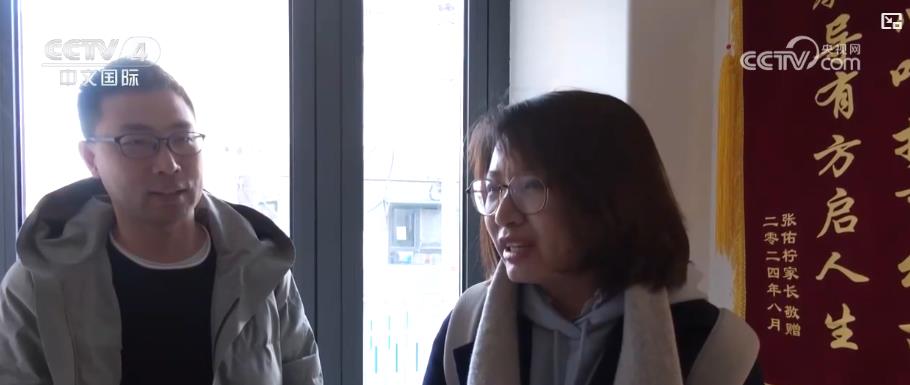
Parent: This is like timely rain for us. Because we both work and no one at home takes care of our children, we can feel relieved to leave the children downstairs of the unit and work with peace of mind.
CCTV reporter Cui Jingzhe: In reality, it may be impossible to do a hiring unit for various factors. If a dual-employee family takes care of the children, the elderly are tired and the nanny is expensive. Can childcare rely on society? I got a list of Beijing's universal childcare, with a total of more than 800. You should know that before the universal and affordable pilot, the average monthly fee for childcare institutions in Beijing was 7,000 yuan, and now the average monthly fee for general and affordable institutions is 3,000 yuan. Moreover, there are many kindergartens on this list, and the "child care and childcare" model gives many people new choices to take care of their children. Let's go to a nursery class to have a look.
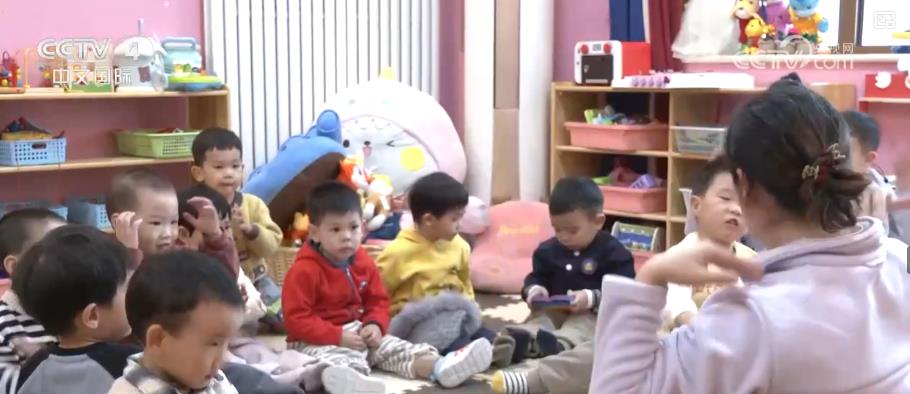
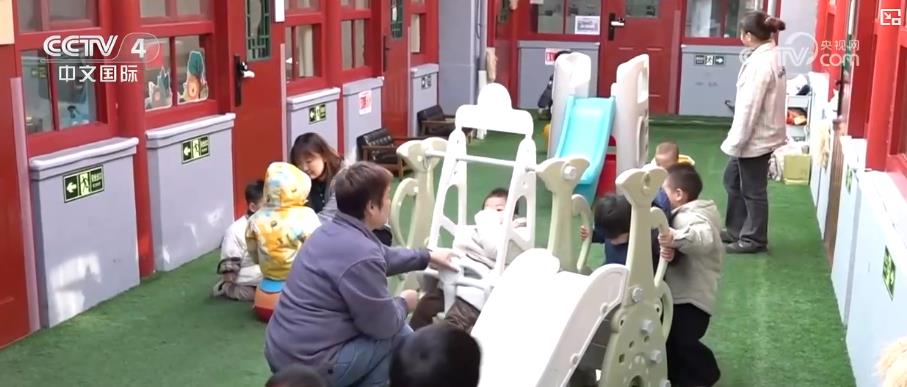
At around 3:00 p.m., the reporter came to this kindergarten. The first floor is a kindergarten class, and next to the small class, a group of 2-year-old children in the caregiver class are doing activities.
The nursery class teacher told reporters that although the age difference is not much different from the children in the kindergarten class, there are great differences in the physical and mental development and maintenance methods of children in the nursery class.
Guan Bo, a researcher at the China Institute of Macroeconomics, has been conducting a long-term research on the policy of "one elderly and one young". He told reporters that the enrollment rate of OECD countries is about 30%. In comparison, China's childcare services growth still has a lot of market space, which means that consumption in related fields has huge growth potential in the future.
Deputy Director of the Social Strategic Planning Research Office of the China Institute of Macroeconomics Guan Bo: We must not only work hard to expand the total amount, but also continuously optimize the supply structure so that the supply quality and distribution structure of childcare services can better adapt to the needs of families and infants and young children. At the same time, in the process of urban renewal, good houses, good communities, and good cities are linked to the construction of childcare service facilities, and space for childcare services is reserved to better solve the problem of difficult venues for childcare institutions.
Guan Bo also believes that achieving childcare supply better adapts to family needs will constitute an important growth point for people's livelihood services.