CCTV News: As the weather warms up, winter wheat in the Guanzhong Plain in Shaanxi has gradually returned to green. It is now in a critical stage of field management. Farmers have also begun spring irrigation and spring management work to lay a solid foundation for a bumper wheat harvest.
In a professional planting cooperative in Lintong District, Xi'an, more than 1,000 acres of winter wheat have entered the rebirth period. According to different growth conditions, growers apply fertilization and irrigation according to the suggestions of agricultural technicians. For example, the seedlings are a bit yellow and need to be supplemented with nutrition. Unlike previous years, this year the cooperative purchased drones for top dressing.
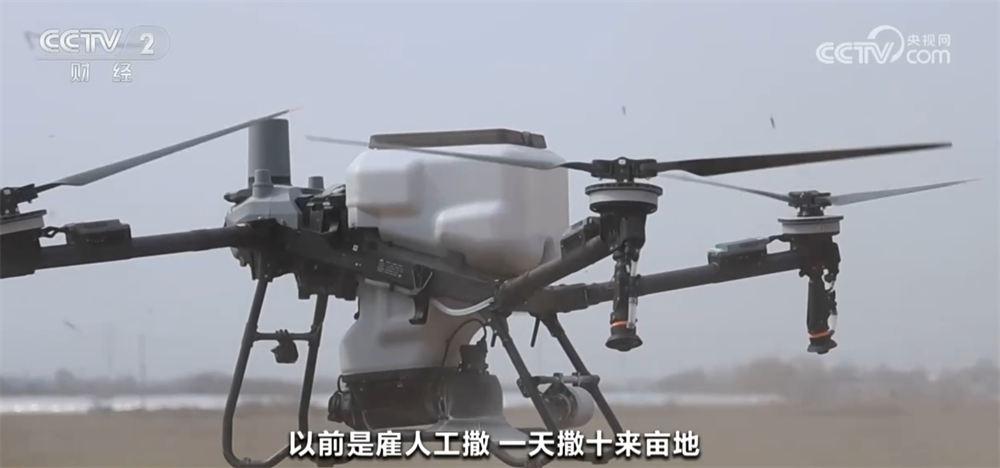
Shang Xiaolin, chairman of a planting professional cooperative in Lintong District, Xi'an City, Shaanxi Province, said: "This is the first time I bought a drone. It is used. It is spreading more than 100 acres of land in one hour, which greatly improves work efficiency. In the past, it was hired to scatter artificially, and it sprinkled more than 10 acres of land a day."

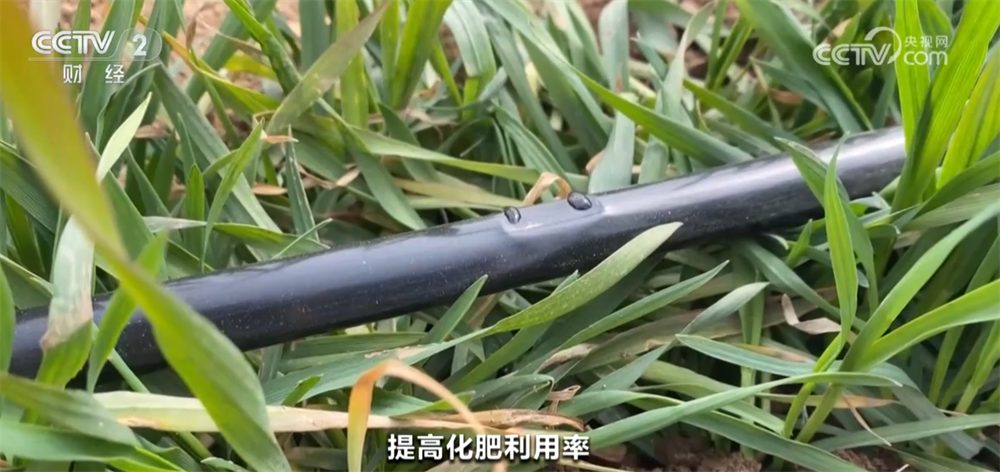
In addition to using drones to improve top dressing efficiency, many farmers also choose drip irrigation equipment for irrigation. While saving agricultural water, they also promote the utilization rate of water and fertilizer integration.
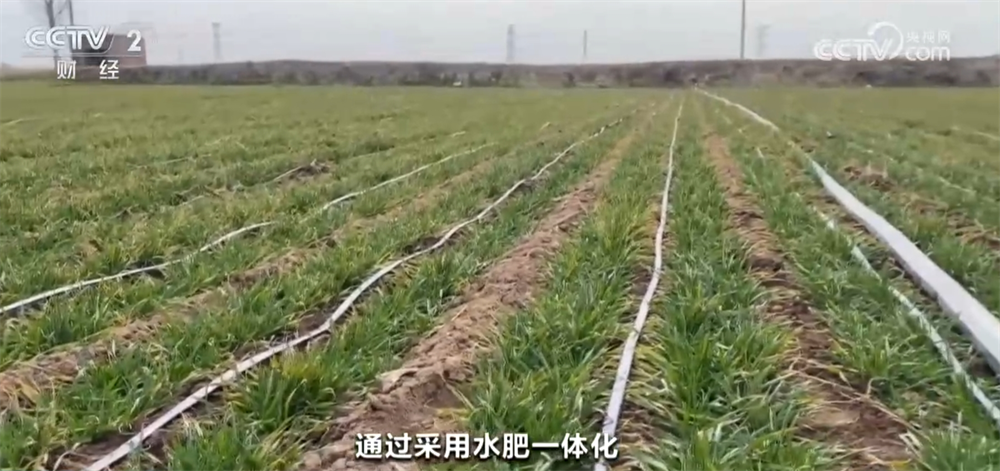
Meng Guodong, senior agronomist at the Agricultural Technology Promotion Service Center of Lintong District, Xi'an City, Shaanxi Province, said: "Using drip irrigation facilities can achieve the integration of water and fertilizer, and use nitrogen, phosphorus, and potassium fertilizers needed in early spring to promote the coupling effect of water and fertilizers through the integration of water and fertilizers, and improve the utilization rate of fertilizers."
With the development of spring irrigation and spring management, the local water conservancy departments and agricultural departments will strengthen various guarantee measures, divide labor and cooperate, do a good job in water use and technical guidance, and lay the foundation for a bumper summer grain harvest.
Tongxiang, Zhejiang: Complete one seedling grafting robot in 3 seconds "on the job"
With the continuous development of technology, the application scenarios of robots have become more diverse. Recently, an agricultural base in Tongxiang, Zhejiang tried a fully automatic grafting robot in the grafting process of eggplant seedlings. How does this robot work? Let’s take a look together.
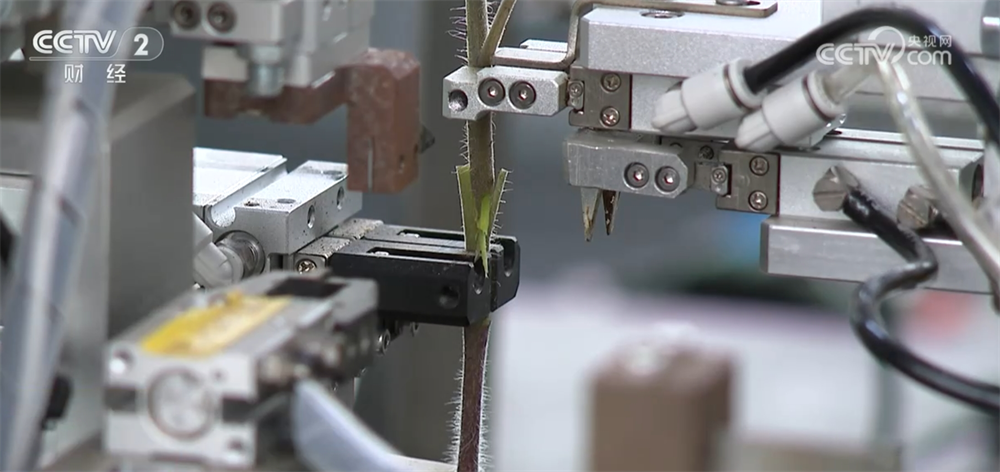
At Tongxiang Digital Seedling Future Farm, the eggplant grafting robot is accurately clamping the tomato seedlings ready for grafting through the machine cantilevers on both sides and placing them in the middle of the clamping device of the turntable. As the mechanical shaft rotates, the top of the tomato seedling on the left is cut off, and the lower end of the tomato seedling on the right is cut into a wedge shape. Finally, the cuts of the treated scion and rootstock are quickly and accurately fit together. In just three seconds, the entire grafting process was completed.
Li Jingquan, head of Tongxiang Digital Seedling Future Farm, said: "The seedlings it grafts are of good quality, relatively neat and have a high survival rate. Second, this machine is not limited by time and space and can work continuously. Another thing is that this grafting robot can avoid the transmission of diseased bacteria during the grafting process, thereby improving the quality of the entire seedling."

It is understood that this robot was independently developed by a local agricultural technology company. At present, it can realize unmanned precise grafting of tomatoes, peppers and other eggplant seedlings. The grafting speed can reach 500-700 plants per hour, which is equivalent to the speed of 2 skilled workers, and the grafting survival rate is as high as 99%. The robot is currently in the experimental stage. After continuous improvement, it is expected that the grafting speed in the future can reach 2,000 plants per hour, and more than 20,000 plants will be grafted every day.