The Ministry of Ecology and Environment held a regular press conference today (February 24). A relevant person in charge of the Atmospheric Environment Department said at the meeting that the national environmental air quality will be stable and improving in 2024, and all annual goals and tasks of air pollution prevention and control have been successfully completed.
Pollution control and emission reduction
Strive to basically eliminate heavy pollution weather in 2025
According to the "Opinions on Deeply Fighting the Battle against Pollution Prevention and Control" issued by the CPC Central Committee and the State Council in November 2021, the heavy pollution weather must be basically eliminated in 2025, and the ratio of heavy pollution days must be controlled within 1%. This year is the end of the 14th Five-Year Plan. Can the goal of basically eliminating heavy pollution weather be successfully achieved? A relevant person in charge of the Ministry of Ecology and Environment responded at a press conference held today.
Since the 14th Five-Year Plan, the national heavy pollution days rate has steadily decreased, with the national average rate in 2024 being 0.9%, and the annual target has been achieved. Beijing only experienced two heavy pollution days in 2024, the least in previous years.
According to the latest forecast results, the temperature in the country and key areas this year is higher than usual and the precipitation is less, and the conditions for the spread of air pollution are relatively unfavorable. Especially in key areas such as Beijing-Tianjin-Hebei and surrounding areas, and the Fenwei Plain, the ratio of heavy pollution days is still higher than the national average due to factors such as increasing pollution emissions caused by heating in autumn and winter and relatively unfavorable meteorological conditions.
A relevant person in charge of the Ministry of Ecology and Environment said that there are still certain difficulties and challenges to achieve the goal of "controlling the national severe and above days of pollution within 1% by 2025."
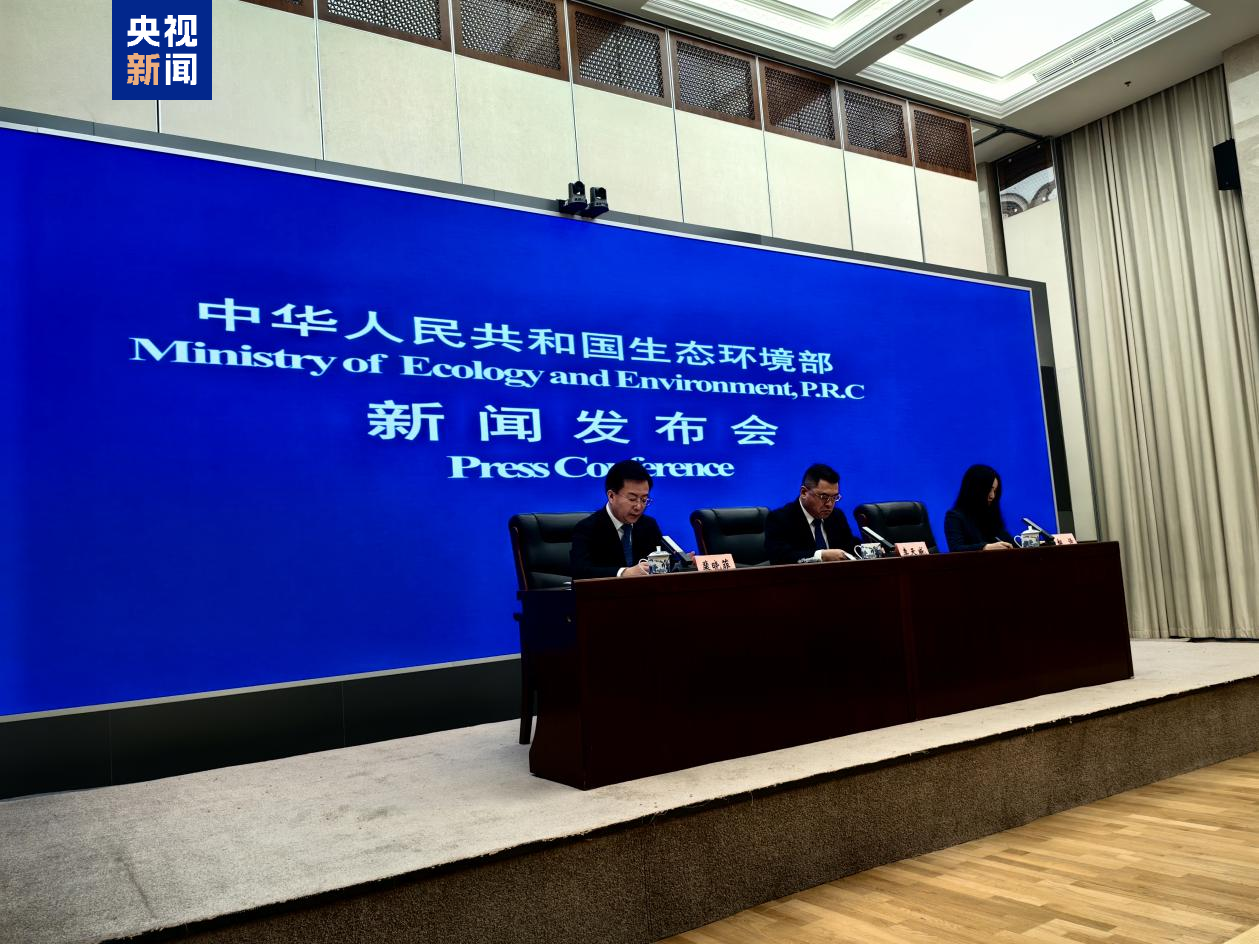
Director of the Atmospheric Environment Department of the Ministry of Ecology and Environment Li Tianwei: Objective conditions are not favorable, people should work harder. We will continue to vigorously promote pollution control and emission reduction, guide local governments to accelerate the implementation of work such as withdrawal of backward production capacity, ultra-low emission transformation in key industries, clean heating, mobile source pollution control, etc., strengthen non-point source pollution control, and fundamentally reduce pollution emissions.
The Ministry of Ecology and Environment will encourage local governments to continue to deepen the performance grading of key industries, improve emergency emission reduction lists, improve forecasting and forecasting capabilities, and organize long-term and large-scale heavy pollution weather responses in a timely manner to truly achieve the effect of "peak cutting and speed reduction" of pollution; it will also guide key cities to coordinate the emission of nitrogen oxides and volatile organic compounds, reduce the occurrence of PM2.5 and ozone pollution, and ensure the completion of the "14th Five-Year Plan" goals and tasks.
This year, we will increase the efforts to control key areas for air pollution prevention and control.
Relevant officials from the Ministry of Ecology and Environment also said at a press conference held today that the Beijing-Tianjin-Hebei region and surrounding areas, the Yangtze River Delta, the Fenwei Plain, etc. are key areas for air pollution prevention and control in my country. This year, we must improve and perfect the joint prevention and control mechanism, continue to promote key governance projects, and promote further improvement of air quality.
According to the notice: In 2024, the average concentration of PM2.5 in the Beijing-Tianjin-Hebei region and surrounding areas, the Yangtze River Delta and the Fenwei Plain was 42.2 micrograms/cubic meter, 33.0 micrograms/cubic meter and 39.6 micrograms/cubic meter, respectively, down 33.8%, 31.4% and 33.9% respectively compared with 2017;
The ratio of severe and above pollution days was 1.7%, 0.4% and 0.9%, respectively, down 4.9, 1.1 and 4.7 percentage points from 2017, respectively.
The pollutant emissions in these areas have dropped significantly, and the ambient air quality has been significantly improved, but this effect is not stable enough, and increasing the difficulty of improvement is still a prominent challenge.
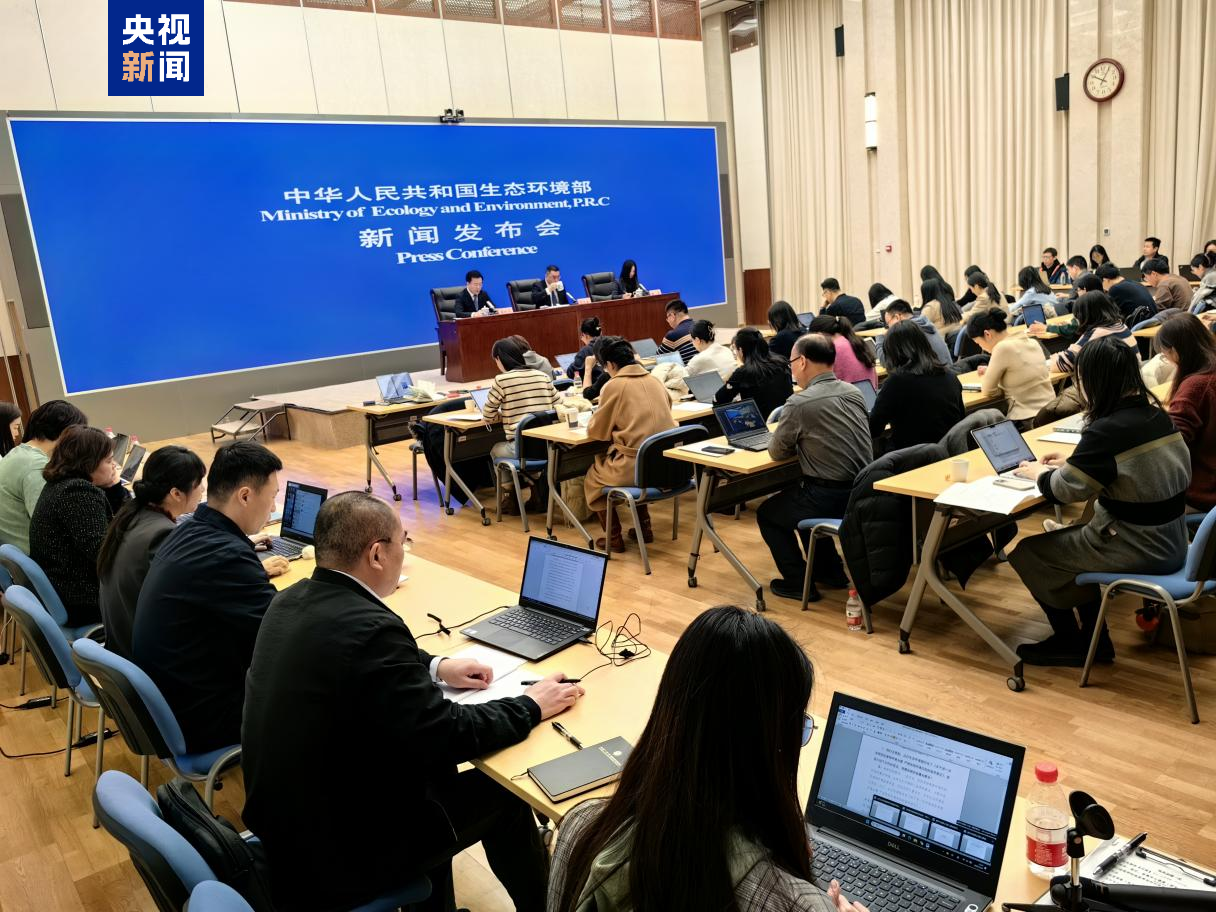
Director of the Atmospheric Environment Department of the Ministry of Ecology and Environment Li Tianwei: Beijing-Tianjin-Hebei and its surrounding areas are the most polluted areas in the country, especially structural problems are very prominent. 13 cities are in the bottom 20 of the air quality rankings of 168 cities in the country, and the intensity of atmospheric pollutants is more than three times the national average. In response to the severe situation of air pollution control in the region, this year we will organize and implement strengthening measures to focus on key industries and areas with prominent structural contradictions and great potential for emission reduction, promote the green and low-carbon transformation of industries, energy and transportation, deepen pollution reduction in key industries, and continuously strengthen regional joint prevention, control and treatment.
The Ministry of Ecology and Environment will introduce incentive policies to encourage enterprises to accelerate transformation and upgrading, and achieve a win-win situation for pollution reduction and high-quality industry development. Before the long-term and large-scale heavy pollution weather process comes, guide local governments to formulate differentiated control measures, organize key areas such as Beijing-Tianjin-Hebei and surrounding areas to carry out emergency linkages in regional pollution processes, and expand the scope to other heavily polluted areas such as the middle reaches of the Yangtze River urban agglomeration, Sichuan-Chongqing region, and the northern slope urban agglomeration of Tianshan Mountains, as well as the situation.
In addition, focusing on key areas such as key industries, industrial clusters, and large car users, the Ministry of Ecology and Environment will focus on key areas such as poor air quality, year-on-year rebound or heavy pollution, and send law enforcement backbones to carry out supervision and assistance through the two battlefields of "online + offline".
(CCTV reporter Jiang Xiaoping and Yao Wenli)