
CCTV News: In the past few days, 117,000 livestock in Tekes County, Yili Kazakh Autonomous Prefecture, Xinjiang have started a spring transition. Herders drove their livestock across multiple mountain passes to spring pastures or settlements.
At 7 o'clock in the morning, before dawn was dawn at the bandage of Deldong Ranch, the herder Saili drew Ali and drove the flock out of the circle and embarked on the road of transition. It took everyone three days to drive more than 1,200 sheep and more than 60 horses to reach the settlement at the foot of Sailik Ali and his friends.
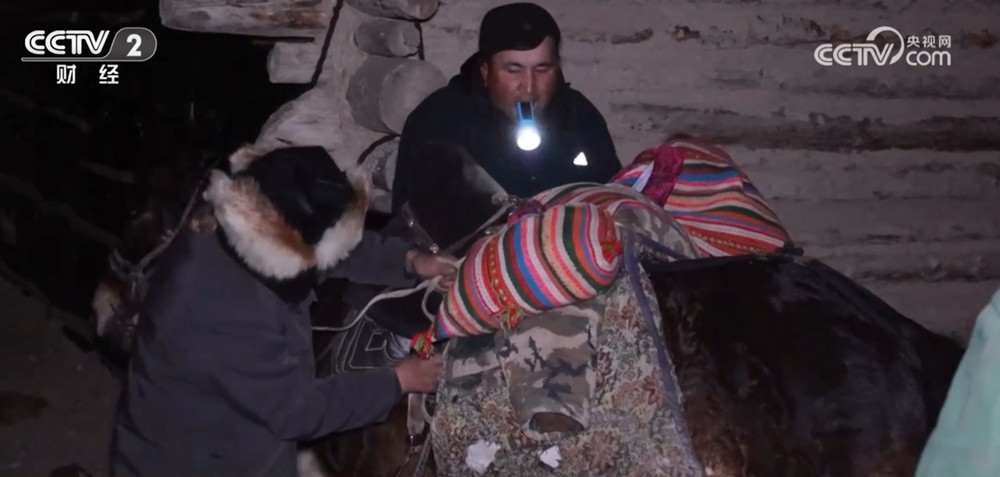
Bandage Deer Winter Ranch is located in the middle of Tianshan Mountains. It is the largest winter ranch in the Yili River Valley. It has an average altitude of nearly 3,000 meters. Every year, more than 2,000 herders and more than 300,000 livestock spend the winter here. Sailik Ali and his team want to cross three big and small Dabans, among which Cholak Asudaban, which is more than 3,800 meters above sea level, is the highest and most difficult section on the transition road. Here the mountains are high and the road is steep and the wind is biting. The sheep and horses are winding in the vast mountains and fields, stepping out a narrow and curved herd path that is only one meter wide.
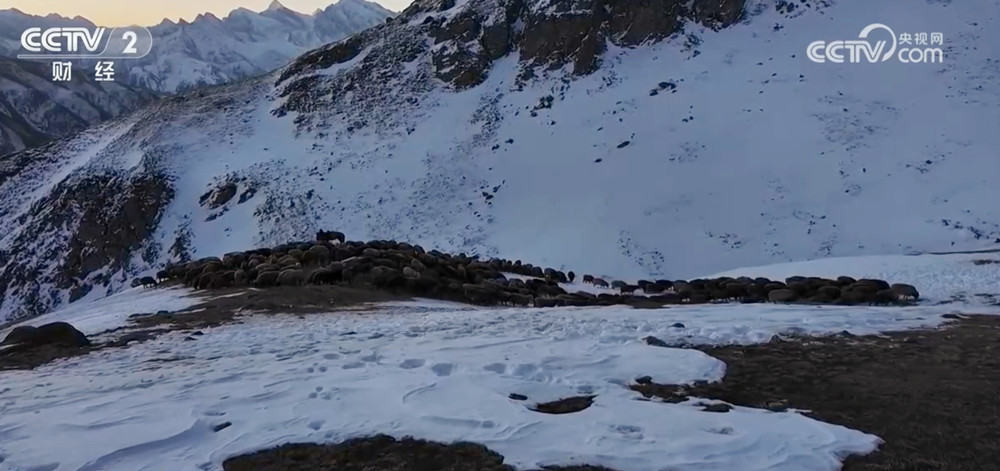
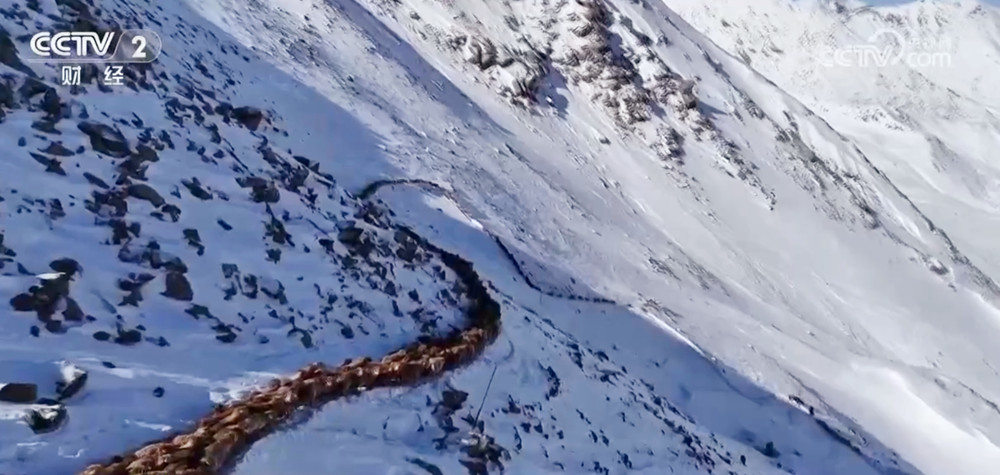
There is a thick snow on the mountain. Even if there is a way out of the herd that has been transferred before, it will be quickly covered by wind and snow.
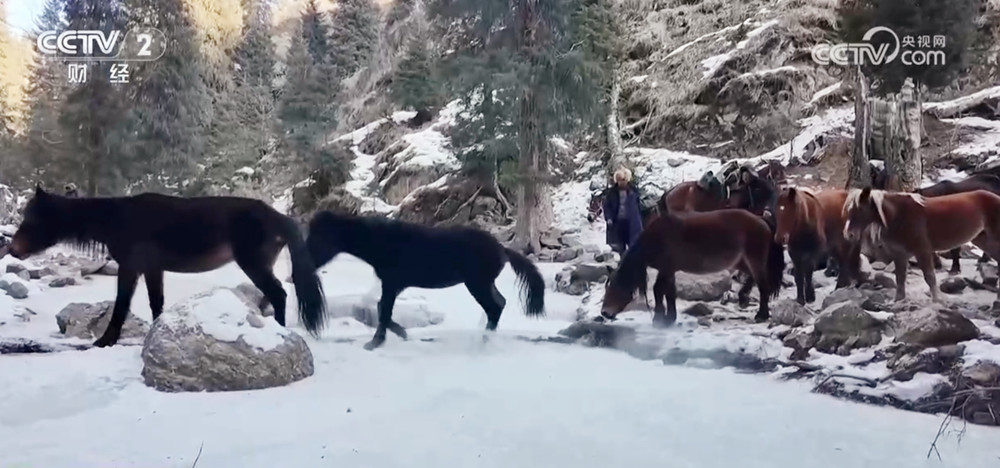
After climbing over Dazaka, the team that transferred to the pine forest at the foot of the mountain. The snow here is not that thick, but you have to cross glacial rivers and frozen mountain roads to continue moving forward. In order to prevent livestock from falling, we must first clean up the ice from dangerous sections and then sprinkle soil to prevent slipping in order for the horse and sheep to pass through. Even so, a sheep was still injured in the leg and she continued to go on the road after a simple bandage.
Tex County, Xinjiang: The transition is difficult, 28 service stations protect the herdsmen
In this transition, the herdsmen have to spend two nights on the road, and they can only reach the settlement at the foot of the mountain on the third day. How did these two nights pass? Keep watching.
The current spring transition is the most difficult of the four seasons for herders. After the severe cold of winter, the cattle and sheep became thinner and lacked feeding of fresh forage. In addition, most of them are pregnant and laboured ewes, and the transition is also extremely severe. Before dark, Sailik Ali and his party arrived at the first transfer service station they passed by - the Kiziltas transfer service station. Here, everyone finally had hot noodle soup, and cattle and sheep could also feed and rest here.
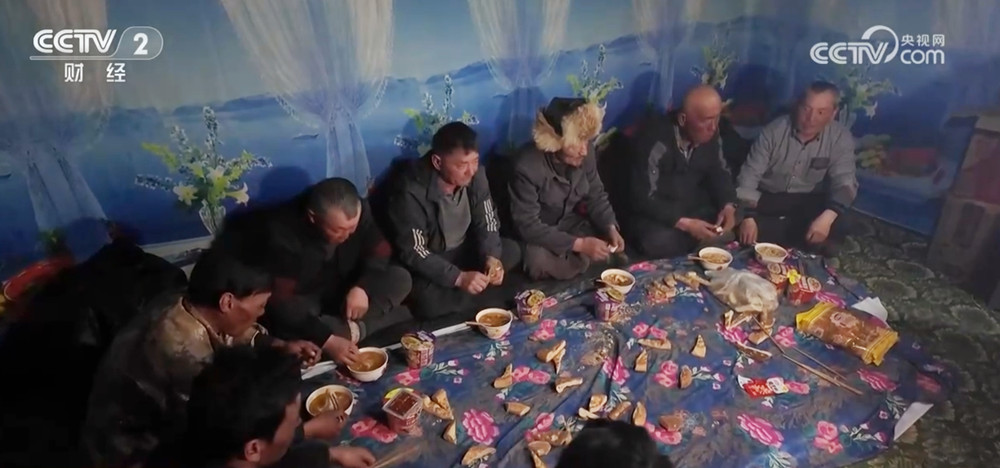
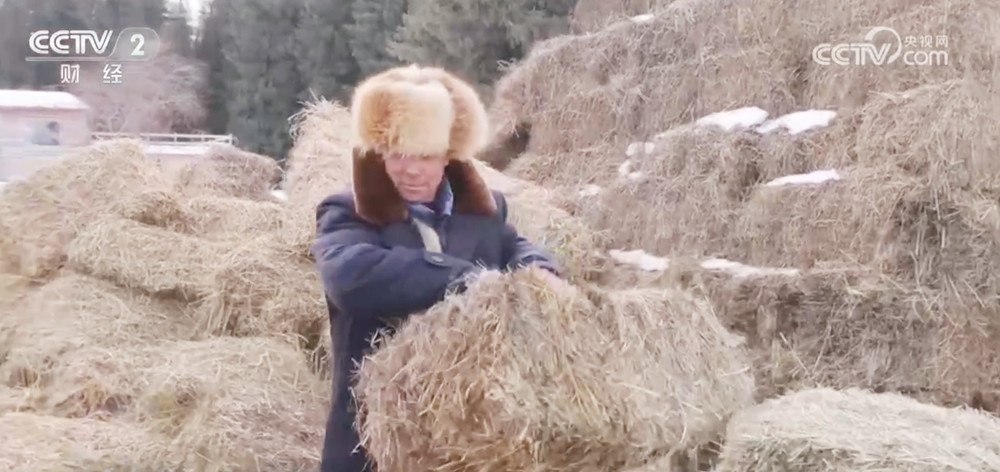
In order to ensure the smooth transition of herders by herders, Turks County has set up 28 herders transfer service stations on various transition roads in recent years, providing herders with hot water, hot meals, resting places, and some livestock pens and forage for their transition. At the same time, a transfer service team composed of township cadres, animal husbandry cadres, etc. was established to carry out road hazard inspections, service stations put into use, material preparation, temporary forage and forage supply in advance. During the transfer, the cadres followed up all the way until all herders arrived at the spring ranch or settlement safely.
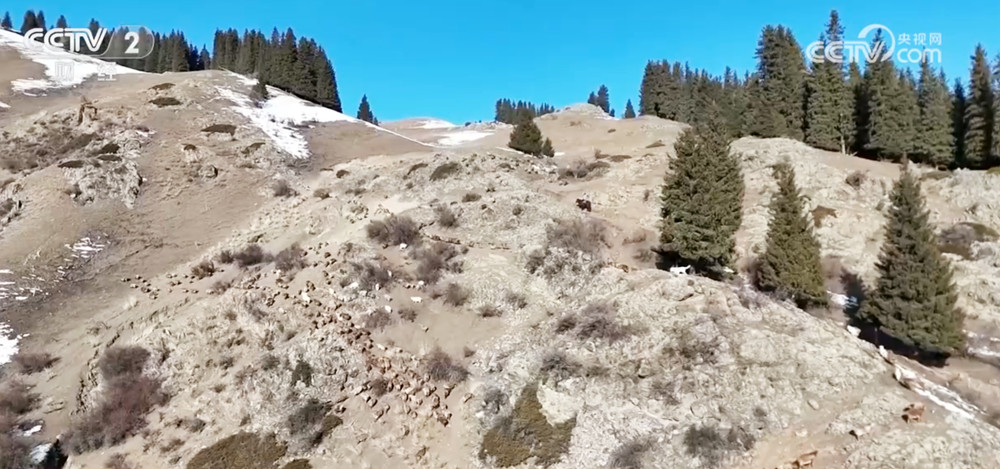
After three days of trek, Sailike Ali and his party finally arrived at the settlement at the foot of the mountain. They will pick up lambs and raise children here, and then transfer to the summer ranch at the end of May to welcome the arrival of midsummer. For many people, transition is a difficult migration path, but it is precisely because of their hard work that the grassland can rest through rotation grazing. At the same time, it can also reduce the cost of livestock breeding and protect and inherit unique grassland culture and living customs.