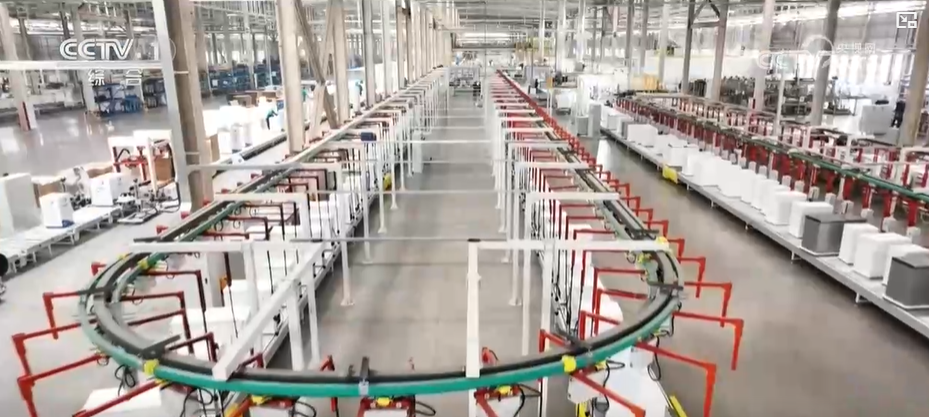
CCTV News: In 2024, the "low-altitude economy" will be written into the government work report, highlighting its important position in the national economic development. Over the past year, support policies from the central to local governments have been intensively introduced, and a new track for developing a low-altitude economy has also become increasingly broad. Recently, Zhejiang Province issued the "Action Plan for Low-altitude Economic Development in the Agricultural and Rural Field of Zhejiang Province" (hereinafter referred to as the "Action Plan"), aiming to further expand the application of "low-altitude economy + agriculture" and accelerate the formation of new quality productivity of low-altitude economy in the agricultural and rural fields. Technology is moving towards new. The integrated aerospace and earth platform helps agricultural production
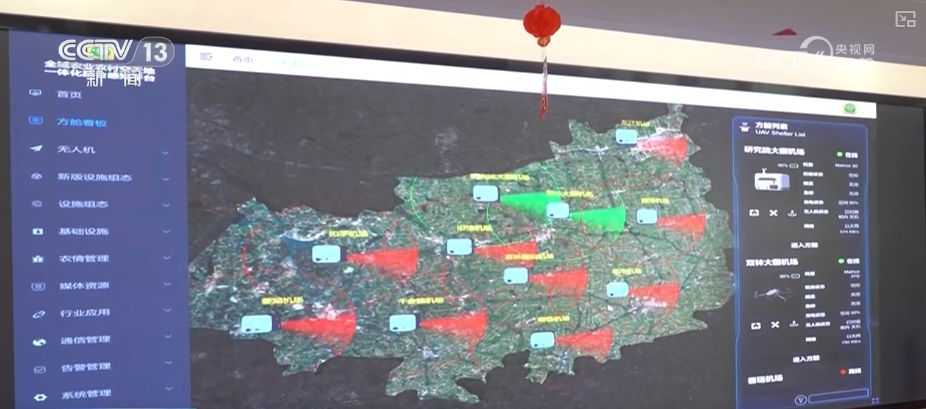
Walking into the New Rural Development Institute of Zhejiang University, an integrated integrated perception platform of air and earth is operating. Just click the mouse and mobilize the drone in the village of Nanxun, Huzhou, 90 kilometers away. By entering the route, the drone can perform various tasks such as flight defense and monitoring. Reduce costs and increase efficiency. Spring farming preparations start "high-speed flight mode"

Such a drone operation network is being initially formed in Zhejiang Province. According to the "Action Plan for Low-altitude Economic Development in the Agricultural and Rural Field of Zhejiang Province", by 2027, the number of agricultural drones in Zhejiang Province will be more than 10,000 units, and 100 integrated intelligent monitoring points for agricultural production "low-altitude + ground" are built.
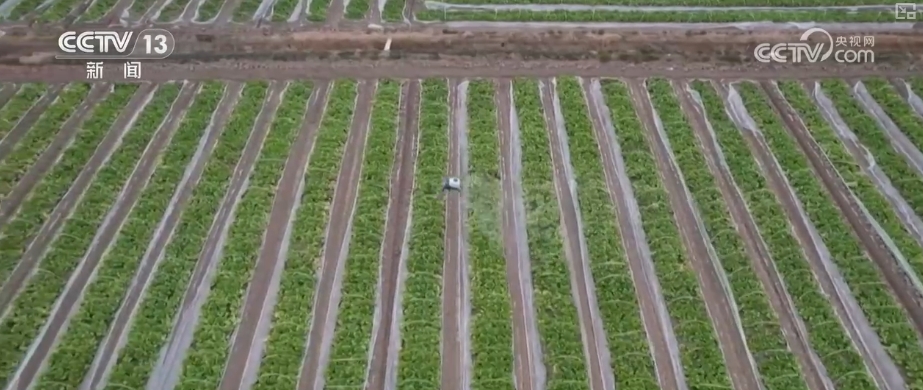
At present, it is the spring plowing preparation period, and various agricultural drones are helping agricultural production save more time and effort. In this wheat field in Xieqiao Town, Haining City, Zhejiang Province, a plant protection drone is shuttled back and forth in the air to carry out fertilization operations. Grower Chen Zhongyuan introduced that in 2025, his more than 600 acres of wheat will be operated by drones, which will not only be more efficient, but also have better results. Expand ideas and create six low-altitude agricultural economic scenarios

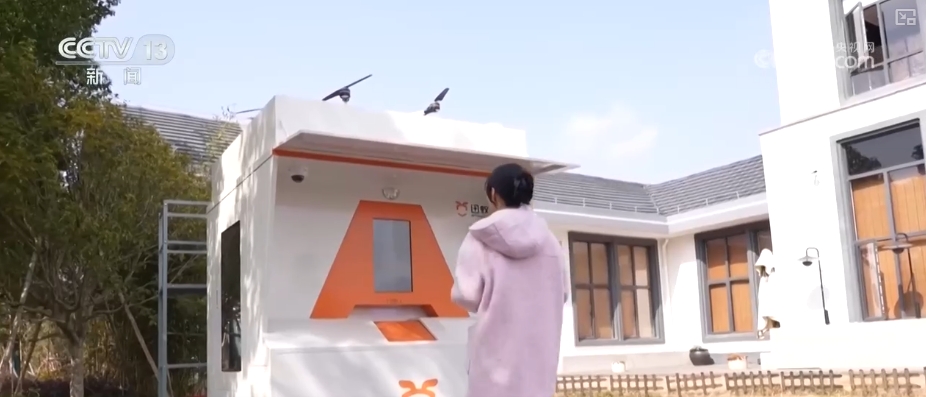
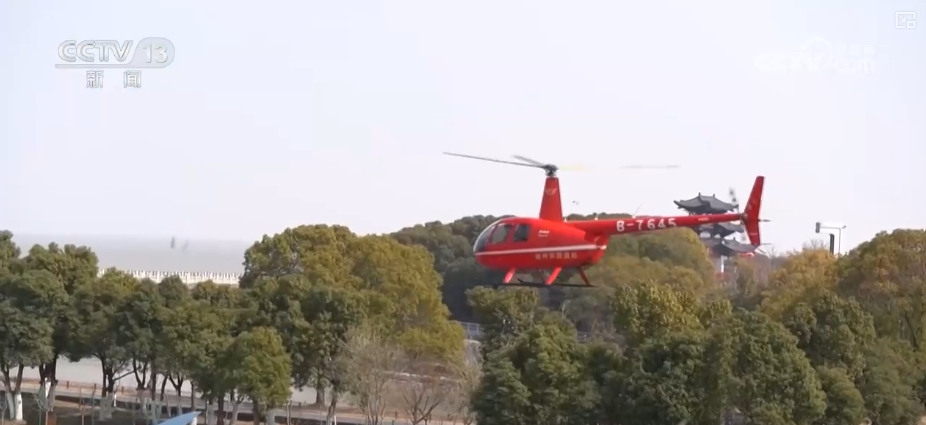
At present, drones have penetrated into all aspects of agricultural production in many places across the country. Unlocking low-altitude economic potential and building diversified application scenarios is the core engine. In addition to agricultural production operations, the "Action Plan" issued by Zhejiang Province also proposes six agricultural low-altitude economic scenarios, including monitoring, service, transportation, governance and agricultural, cultural and tourism consumption. Among them, the two major scenarios of transportation and agricultural, cultural and tourism consumption have continued to be hot in recent years, including express delivery and aircraft sightseeing, which will make rural life more convenient and provide new ideas for the integrated development of agriculture, culture, and tourism. The two-way low-altitude passenger route from Nantong Haimen to Shanghai Pudong has been opened. "Low-altitude economy" is a key area for the development of new quality productivity and is the key layout direction of strategic emerging industries in the Yangtze River Delta. On February 20, the normalized two-way low-altitude passenger route from Haimen, Nantong, Jiangsu to Pudong, Shanghai was officially opened.
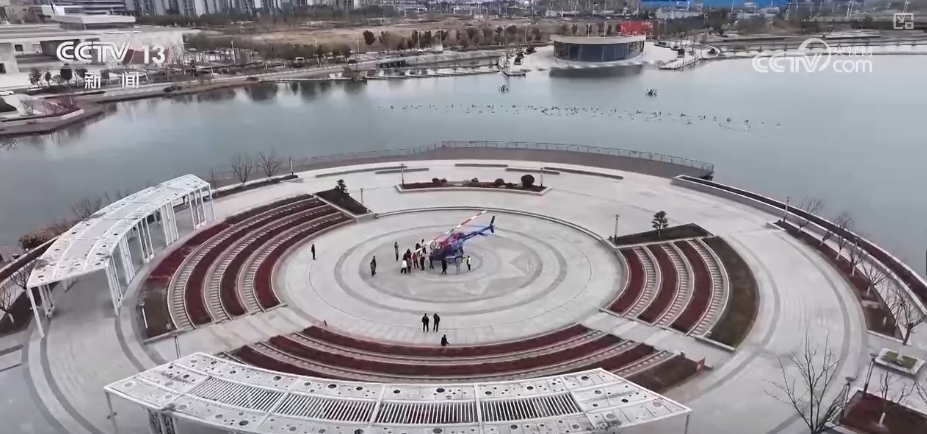

This route is about 123 kilometers long. It originally took 2 hours to take the ground, but the flight time by helicopter only takes about 40 minutes. In addition to its fast speed, passengers can also enjoy the unique urban landscape on both sides of the Yangtze River Estuary from the air. The route is arranged for one flight every morning and evening rush hour, with a price of about 700 yuan. The opening of this route has met the diversified travel needs of passengers. The all-electric powered airship completed its first scientific research test flight
The reporter learned from AVIC on February 21 that the electric manned airship AS700D independently developed by my country completed its first scientific research flight test in Hubei, marking a major breakthrough in my country's new green aviation equipment in the field of "low-altitude economy".
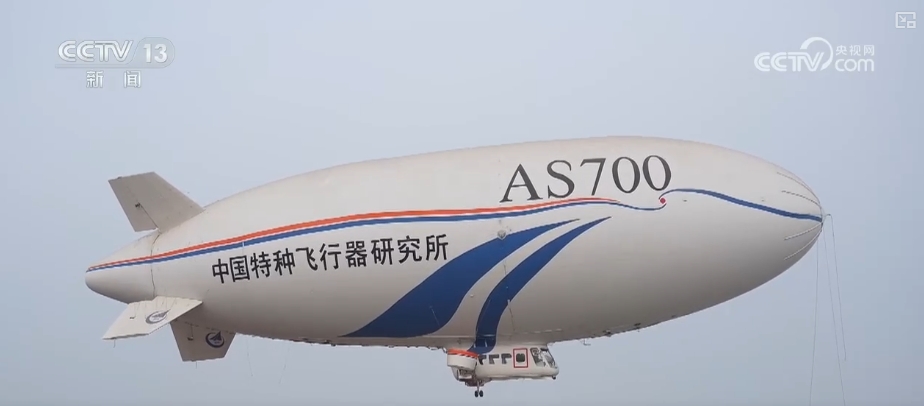
The first scientific research flight test carried out a total of 4 take-offs and landings, and conducted a comprehensive inspection of the control characteristics and power characteristics of the AS700D manned airship.
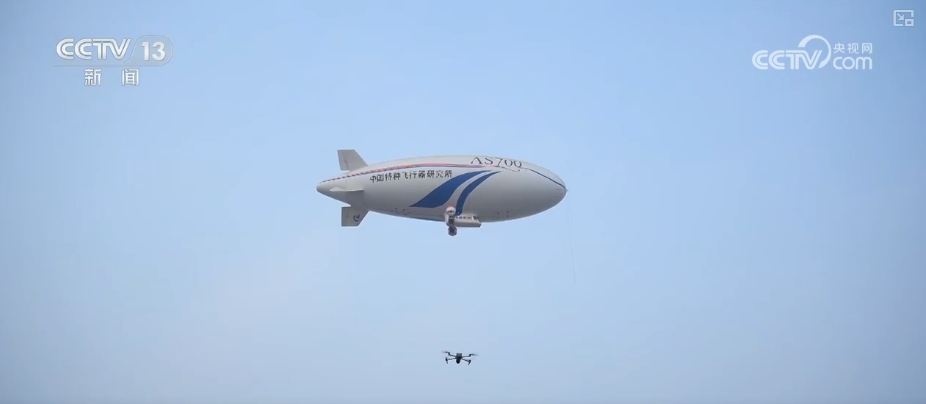
AS700D is an all-electric powered airship independently developed by my country. Its maximum designed flight speed is 80 kilometers per hour, its maximum flight altitude is 3,100 meters, including a maximum passenger capacity of 10 people. This type of airship has been electrified and upgraded based on the first manned airship AS700, using advanced lithium battery electric drive system, propeller system, thrust vector system and cooling system.
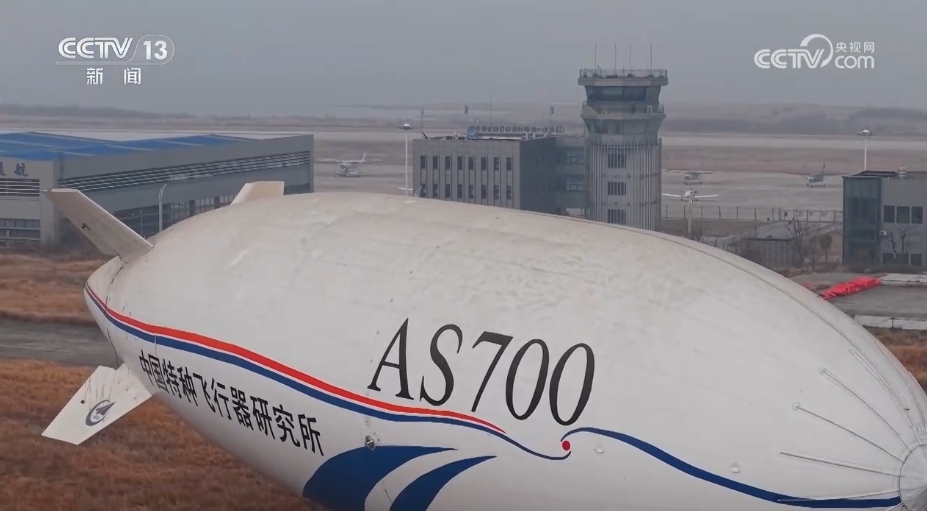
After the AS700D is put into market operation, it can be widely used in various scenarios such as low-altitude tourism, aerial advertising, urban security, aviation exploration, emergency rescue, etc.