
CCTV News: The evening of January 7 is the first night after the magnitude 6.8 earthquake in Dingri County, Tibet. According to the meteorological department, the lowest temperature in the night earthquake zone is around minus 18 degrees Celsius. How did the first night after the earthquake among the affected people? Aftershocks are continuous, and the resettlement site has set up tents overnight
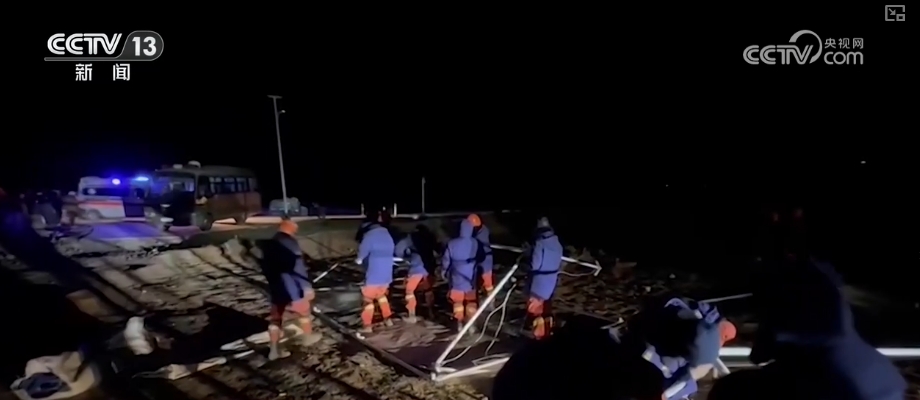
From the evening of January 7 to the early morning of January 8, the local aftershocks are continuous. Especially at around 3:52, an earthquake of about 4.0 occurred in Lazi County, adjacent to Dingri County.
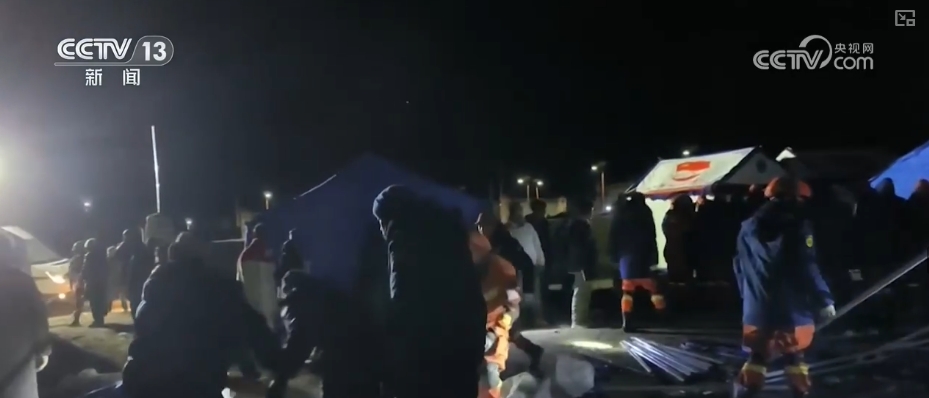
This temporary resettlement site was brightly lit on the evening of January 7, and tents were set up overnight to accommodate the affected people. At the same time, the rescue forces distributed in other resettlement sites also stayed up all night, working overtime to build tents and distribute disaster relief supplies to the affected people.
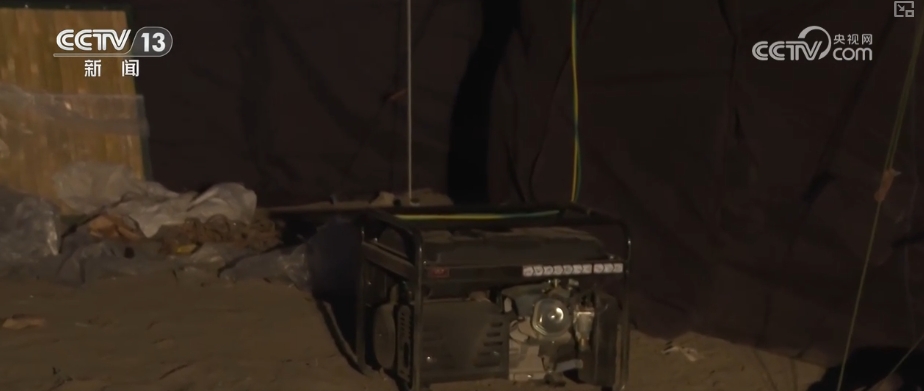
The local power department also laid wires overnight on the evening of January 7. It is expected that the power system of this resettlement site can be built at around 1 pm on January 8 to meet the needs of the affected people for heating, cooking, etc. The people at the resettlement site can already eat hot rice and drink hot water
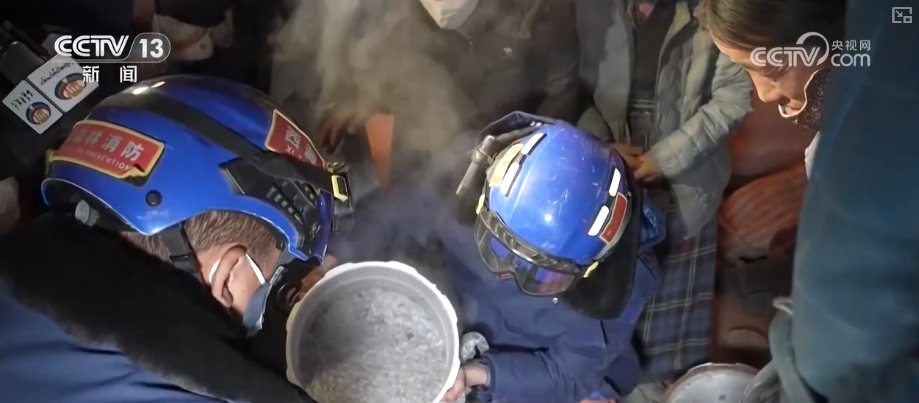
On the evening of January 7, hot water and instant noodles were already available in the tent to ensure that the affected people would not spend the first night after the disaster hungry.
The first night after the earthquake, how do the affected people spend the night?
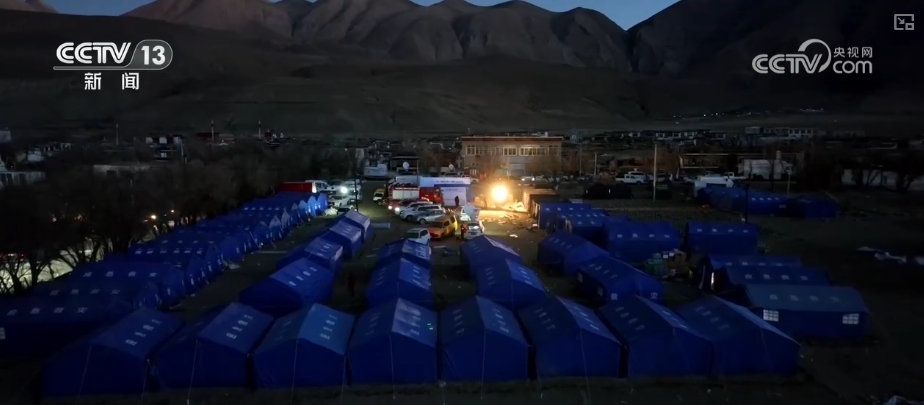
The temperature in the tent is much better than the temperature at minus 10 degrees Celsius outdoors. The masses said that the body feels still not cold after covering the thick quilt and mattress. If the power guarantee can be successfully completed on January 8 and the electric heater or electric blanket can be used at night, I believe the tent will be warmer.
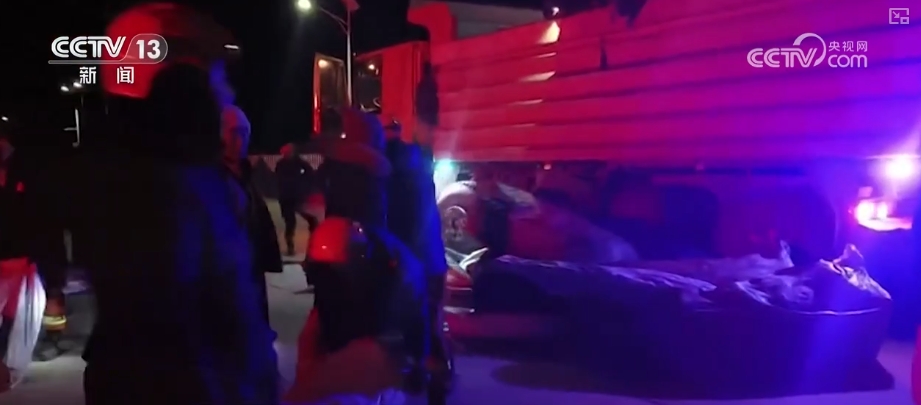
Each tent is basically based on households, with about 10 people placed. Especially if there are elderly people and children at home, try to arrange them in a tent. In the resettlement site, relatively quiet and convenient areas will be arranged for the elderly and children as much as possible. At the same time, the special dietary needs of the elderly and children, such as soft foods for the elderly and nutritious foods for the children, will be mixed and satisfied as much as possible. Rescue forces from all parties gathered, and disaster relief resources continued to be sourced. In the early morning of January 8, there were also a steady stream of rescue vehicles and large trucks transporting disaster relief supplies on the road leading to the earthquake zone. It is understood that at present, the most in short supply of temporary resettlement sites are tents, cotton coats, quilts, and other materials that can keep warm and cold. Armed police officers and soldiers set up tents for the people in the disaster area
After the earthquake, the Shigatse Detachment of the Tibet Corps of the Armed Police was racing against time to build insulation tents to help the affected people spend the winter warmly.
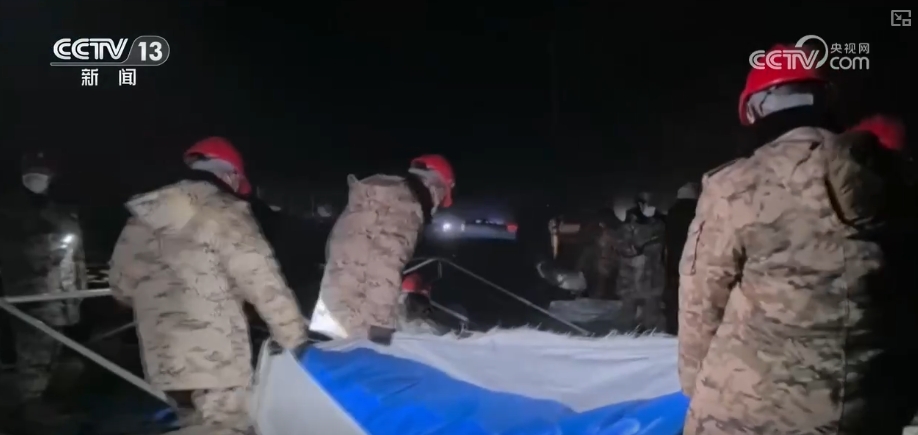
After the earthquake, the officers and soldiers of the Shigatse Detachment of the Tibet Corps of the Armed Police responded quickly and rushed to Changsu Township, Dingri County, which was seriously affected, to carry out rescue. At night, despite the cold wind and extremely low temperatures, the officers and soldiers were still building tents overnight at the resettlement site of Changsu Township, Dingri County.
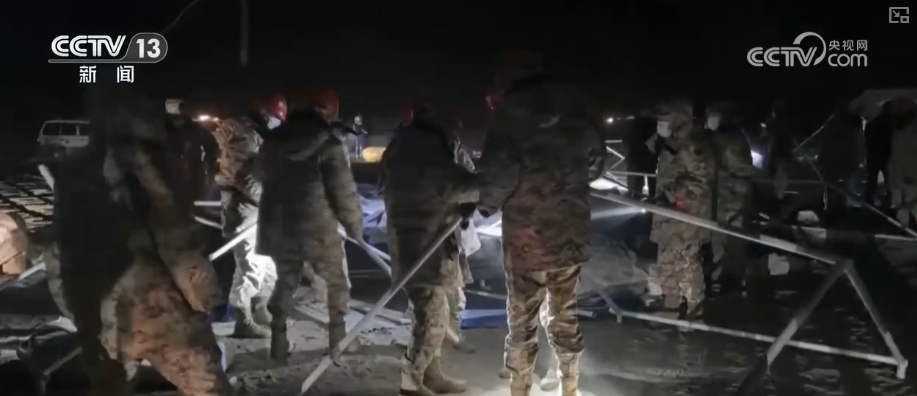
They have clear division of labor, and they carry tent materials, fix brackets in a tight and orderly manner, and lay moisture-proof mats. A tent was quickly built in their hands, providing a warm safe haven for the affected people. As of 3 a.m. on January 8, officers and soldiers of the Shigatse Detachment of the Armed Police had built 580 tents.
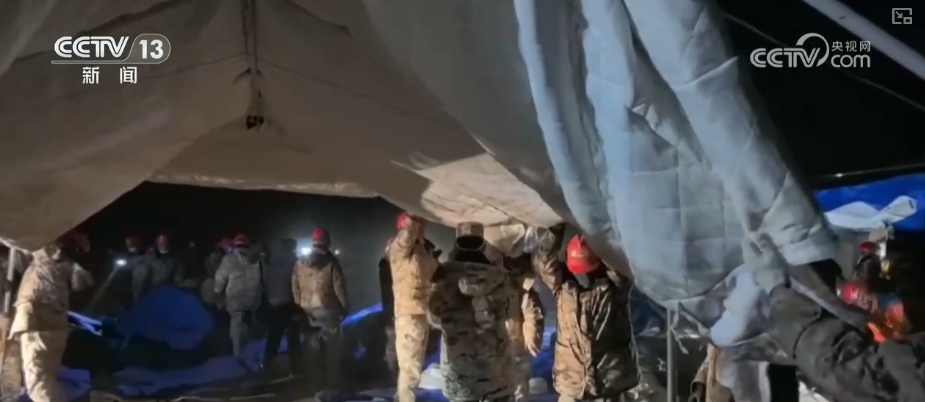
Liu Wei, the Shigatse Detachment of the Tibet Corps of the Armed Police, introduced that the officers and soldiers worked hard all night and kept building tents. Now the temperature has dropped to minus 15 degrees Celsius. No matter how harsh the conditions are, they must ensure that the people can move in and allow them to spend the first warm night.