
CCTV News: Recently, the National Development and Reform Commission and the National Energy Administration jointly issued a new plan for market-oriented reform of new energy. What is the background of the introduction of this new plan? What are the highlights of the plan? What role will it play? The reporter interviewed relevant experts on these issues.
Data shows that as of the end of 2024, the installed capacity of new energy power generation was about 1.41 billion kilowatts, accounting for more than 40% of the total installed capacity of the country, exceeding the installed capacity of coal-fired power. With the large-scale development of new energy, the previously implemented new energy grid-mounted electricity prices urgently need reform.
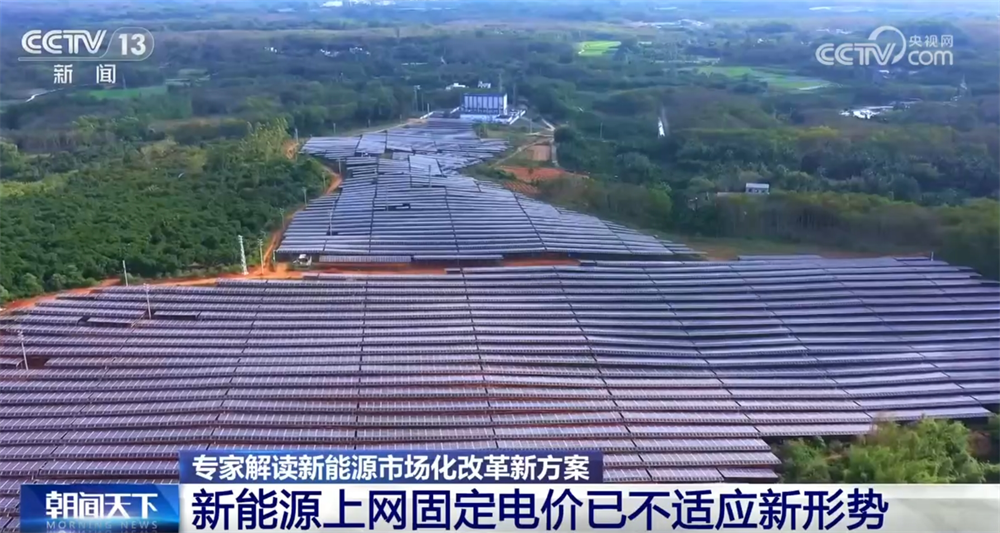
Yang Juan, a researcher at the Institute of Market and Price of China Institute of Macroeconomics, said: "With the scale of new energy further increasing, this fixed price may not be conducive to better reflecting the relationship between power supply and demand, and it is not conducive to establishing a price system that can better reflect the value of various types of resources and fairly bear costs. At the same time, the construction cost of new energy has further decreased in recent years. At the same time, various regions are also promoting the construction of the power market and improving market rules, which has also created favorable conditions for new energy to participate in the market."
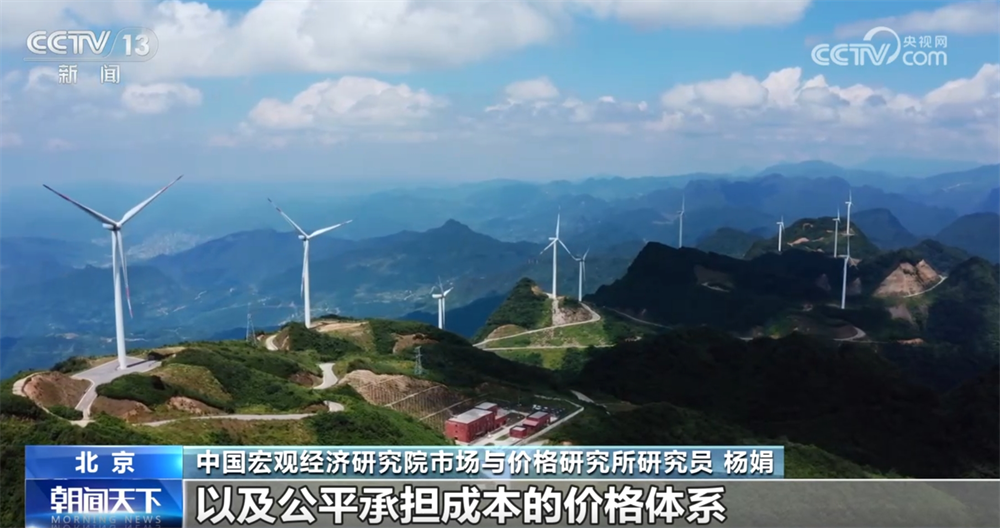
According to reports, the main contents of this reform include promoting the comprehensive formation of new energy on-grid electricity prices from the market, establishing a price settlement mechanism to support the sustainable development of new energy, distinguishing stock and incremental projects, and implementing classified policies, and promoting the sustainable and healthy development of the industry.
Experts interpret new plans for market-oriented reform of new energy: What are the characteristics of the price settlement mechanism for sustainable development of new energy?
The new energy market-oriented reform plan issued this time proposes that while promoting the full participation of new energy in the market, it is necessary to establish a price settlement mechanism for sustainable development of new energy. What are the characteristics of this mechanism? Let’s take a look at the expert interpretation.
New energy power generation is random, volatile and intermittent, especially photovoltaic power generation is concentrated in the afternoon. After fully participating in market transactions, the power supply in the afternoon has increased significantly and the prices have decreased significantly. During the peak evening electricity prices are high, there is almost no power generation output. The actual income that can be obtained in new energy may fluctuate significantly.
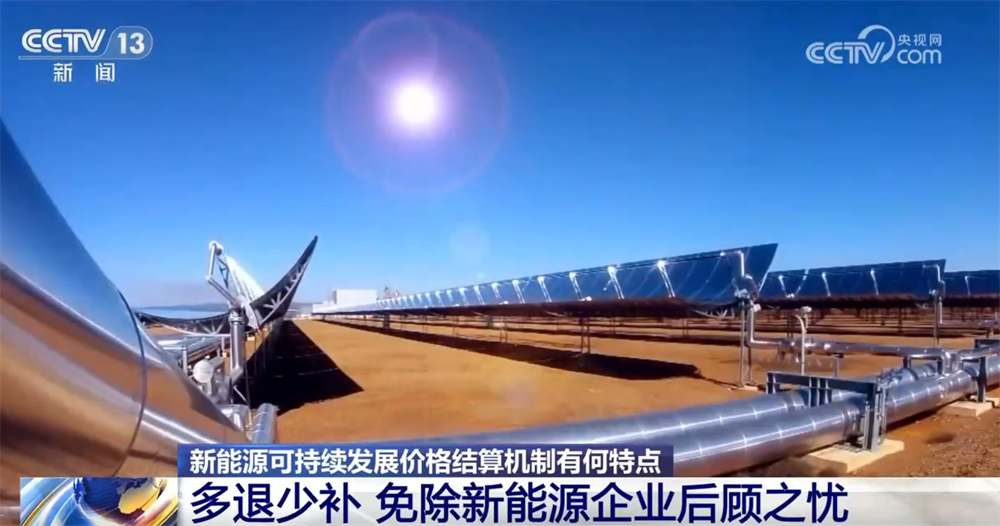
To this end, the plan proposes to establish a price settlement mechanism for sustainable development of new energy, and to provide price difference compensation for the electricity included in the mechanism when the market transaction price is lower than the mechanism electricity price, and deduct the price difference when it is higher than the mechanism electricity price. Through the "more refunds, less compensations" price difference settlement method, enterprises have reasonable and stable expectations.
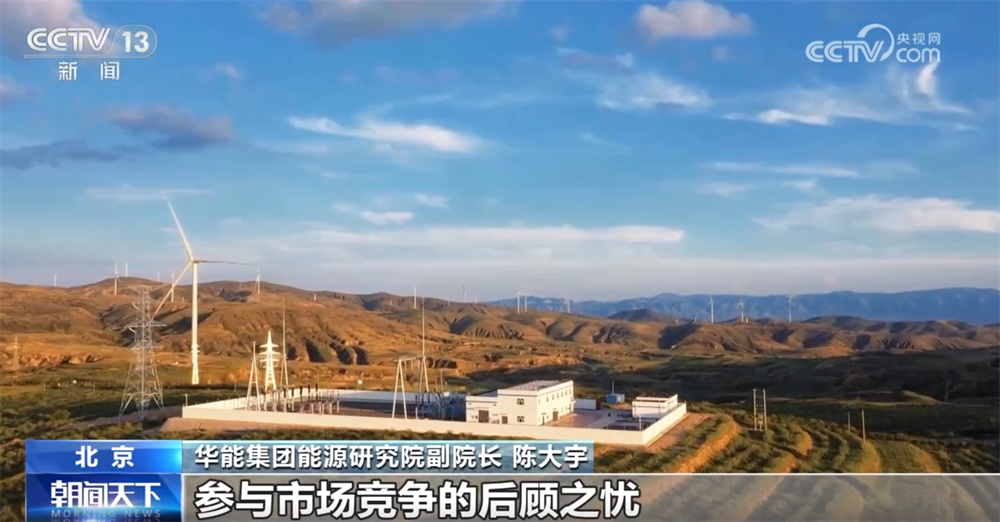
Chen Dayu, deputy director of Huaneng Group Energy Research Institute, said: "This reform has allocated an off-site guarantee mechanism for the marketization of new energy electricity prices, that is, the sustainable development price settlement mechanism, which is equivalent to providing an "insurance" for new energy participation in the market, eliminating the worries of new energy enterprises to participate in market competition."
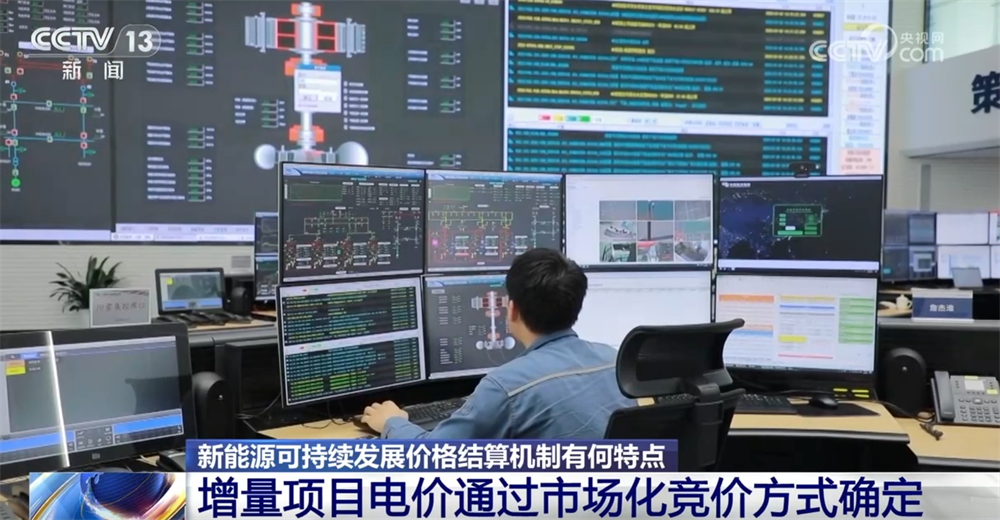
In addition, this reform also proposes that when the electricity price settlement is carried out, the old methods of old projects and new methods will be implemented. In other words, the mechanism electricity price of old projects, that is, the mechanism electricity price of existing projects is properly connected with the current policies; the mechanism electricity price of new projects, that is, the mechanism electricity price of incremental projects is determined through market-oriented bidding. In terms of time, the existing projects put into production before June 1, 2025 are existing projects, and the incremental projects put into production on June 1, 2025 are incremental projects.
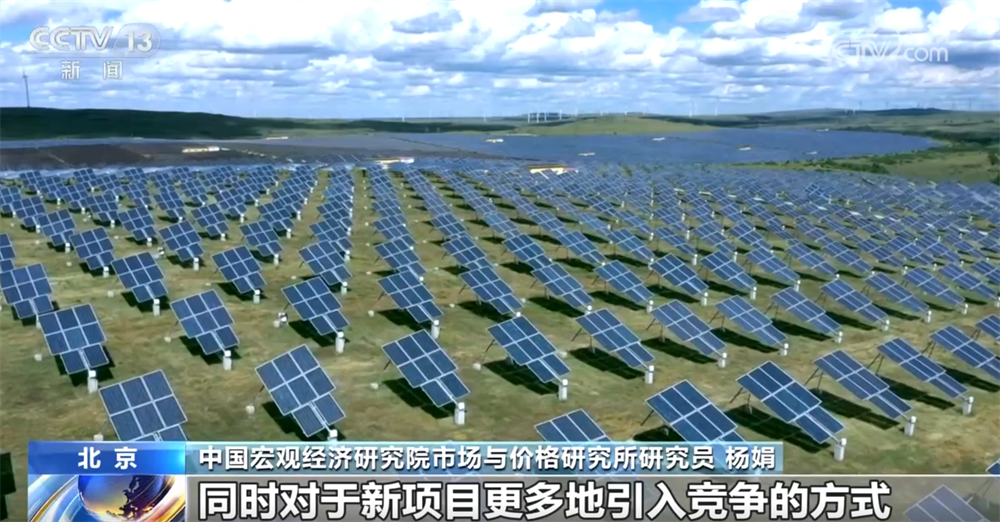
Yang Juan said: "The measures of old projects, new projects and new methods are not only conducive to smooth connection with the current new energy security policies, but also introduce more competitive methods for new projects to determine the scope and prices, which is conducive to better playing the role of market allocation of resources."
Experts interpret new plans for market-oriented reform of new energy: will promote the accelerated construction of a unified national power market
In this new energy market-oriented reform, experts said that it has no impact on the electricity price level of residents and agricultural users, and has a profound impact on the power industry.
According to reports, this reform has no impact on the electricity price level of residents and agricultural users, and these users still implement the current catalog sales electricity price policy. For industrial and commercial users, static estimates are expected that the average electricity price of industrial and commercial users across the country will be basically the same as last year in the first year of the reform implementation. Areas with loose power supply and demand and low new energy market prices may drop slightly. In the future, the electricity price of industrial and commercial users will fluctuate with electricity supply and demand, new energy development, etc.
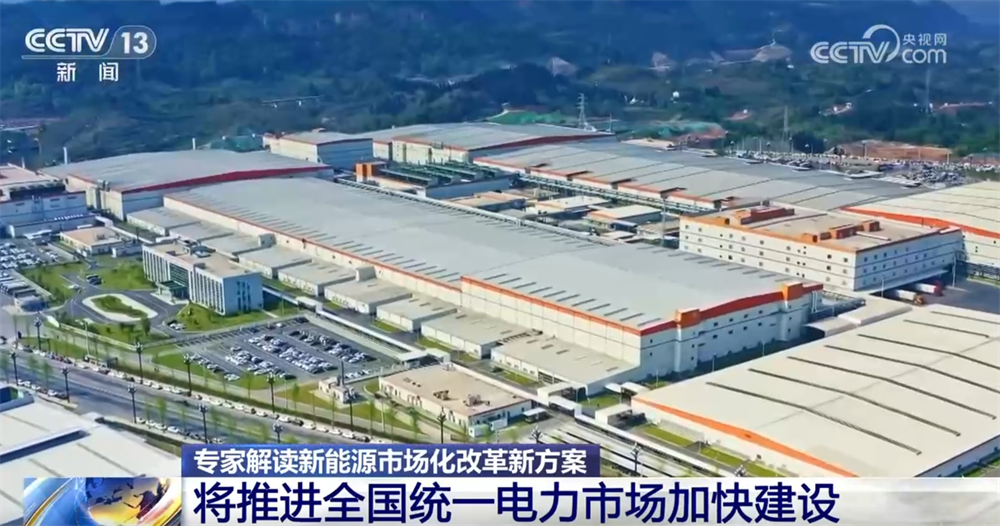
Experts said that this reform will help form a real market price and promote the efficient allocation of power resources. The value of various power supplies in the power system will be more fully reflected, and better guide the coordinated development of new energy, regulated power supplies and power grids.
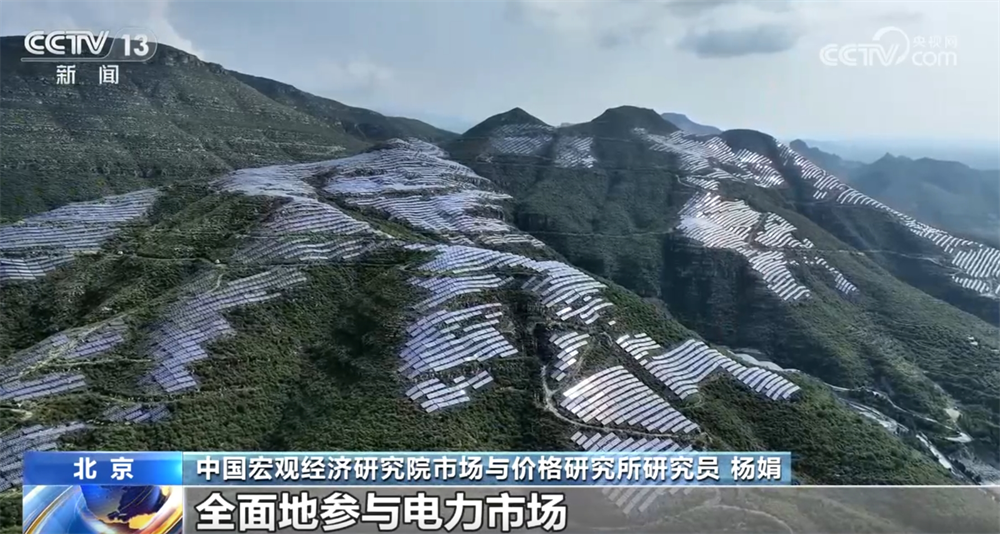
Yang Juan said: "After the policy was introduced, new energy and coal-fired power units will fully participate in the power market, and the scope of market transactions will be further expanded. This policy also clearly states that all localities should improve market rules according to the expansion of scope, which will be conducive to the promotion of the entire national unified power market."