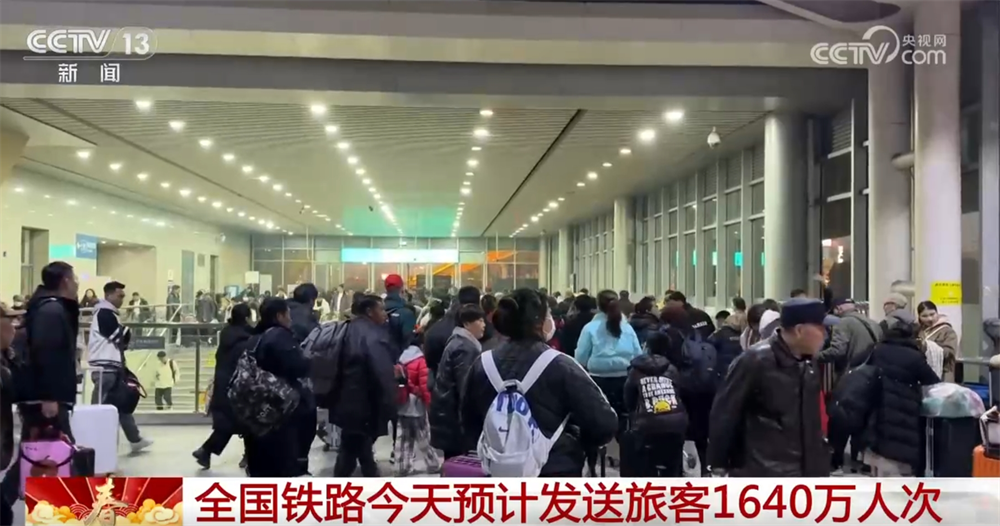
CCTV News: February 3rd is the sixth day of the Lunar New Year, the seventh day of the Spring Festival holiday. As the holiday is about to end, everyone returns one after another, and the growth trend of railway passenger flow is obvious. On February 3, the national railway is expected to send 16.4 million passengers, and plans to add 2,132 passenger trains.
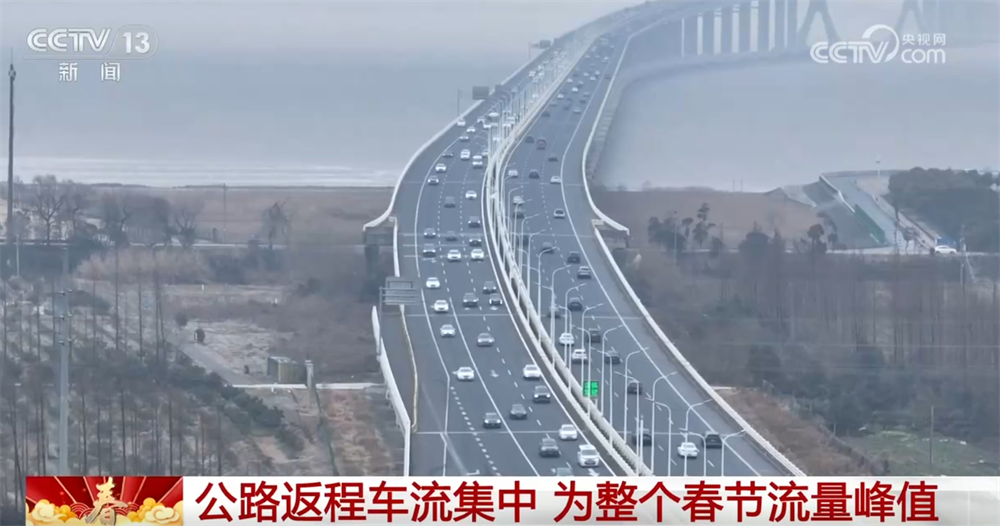
In terms of highways, it is expected that the return traffic will be concentrated on February 3, which will be the peak traffic during the entire Spring Festival.
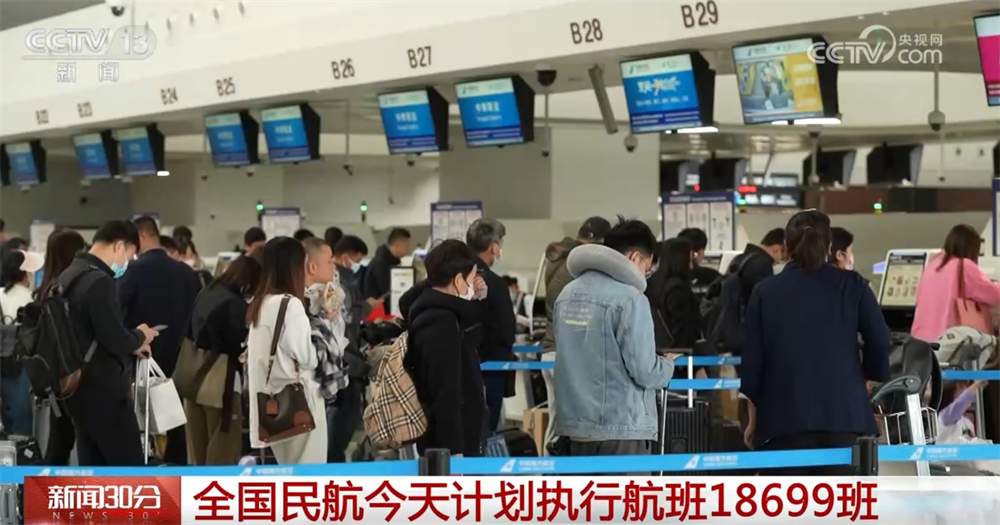
In terms of civil aviation, the national civil aviation plan to implement 18,699 flights on February 3. In the 20 days before the Spring Festival travel rush, the national civil aviation averaged 18,648 flights per day, an increase of 8.12% year-on-year; the average daily passenger transport was 2.2531 million, an increase of 6.52% year-on-year.
Data from the Ministry of Transport shows that from the first day of the Spring Festival travel rush to February 2, the 40-day Spring Festival travel time has exceeded half, and the cross-regional flow of people in the whole society is expected to reach 4.8 billion, a record high in the same period.
The return passenger flow and rain and snow weather are superimposed. All localities are actively responding.
The Spring Festival holiday has entered the second half, and my country is experiencing a large range of rain and snow weather from north to south. While large passenger flows occur, uncertain factors such as bad weather are also superimposed, and localities are currently actively responding.
Self-driving travel is the main force during the Spring Festival travel rush, and it is expected that the number of self-driving travel rush during the Spring Festival travel rush this year will reach 7.2 billion. In the past two days, both roads and railways have ushered in a peak return journey.
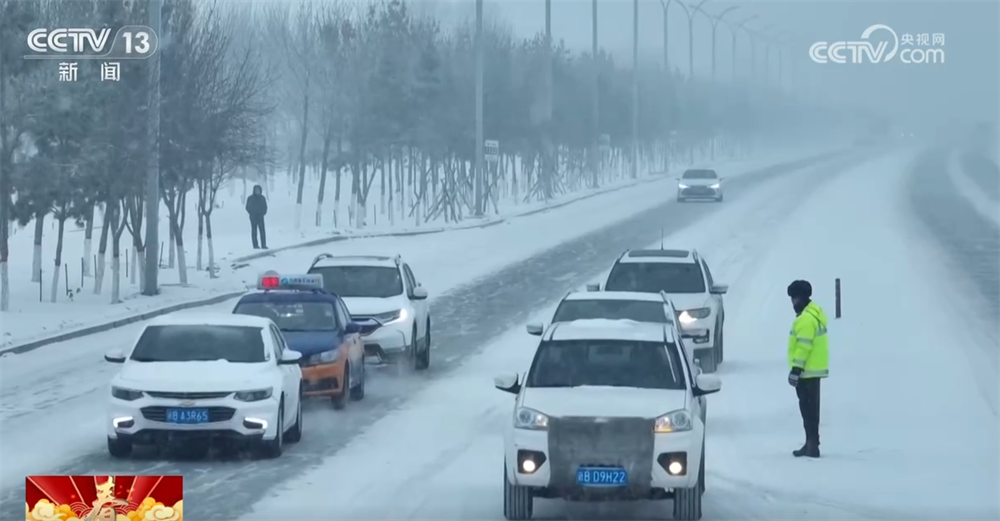
In Liaoning, after continuous snow removal, the Liaoning Expressway network has been fully restored, but the meteorological department reminds that you need to pay attention to frost on the road at night and drive with caution. Due to large-scale heavy snowfall during the Spring Festival holiday, road transportation has been affected, and many passengers choose to return home on railways. In the next few days, major stations under the jurisdiction of the Shenyang Bureau of the National Railway will usher in a peak of return passenger flow, with an estimated 720,000 passengers being sent, and the passenger flow direction is mainly concentrated in popular cities such as Beijing and Shanghai.

On February 2, Shanghai's major expressways ushered in a peak of traffic flow to Shanghai. At around 10 a.m., aerial footage showed that the return traffic of the G40 Shanghai-Shaanxi Expressway in Shanghai increased significantly. As noon approached, vehicles were slowing down at the exit of the Changxing Island service area.
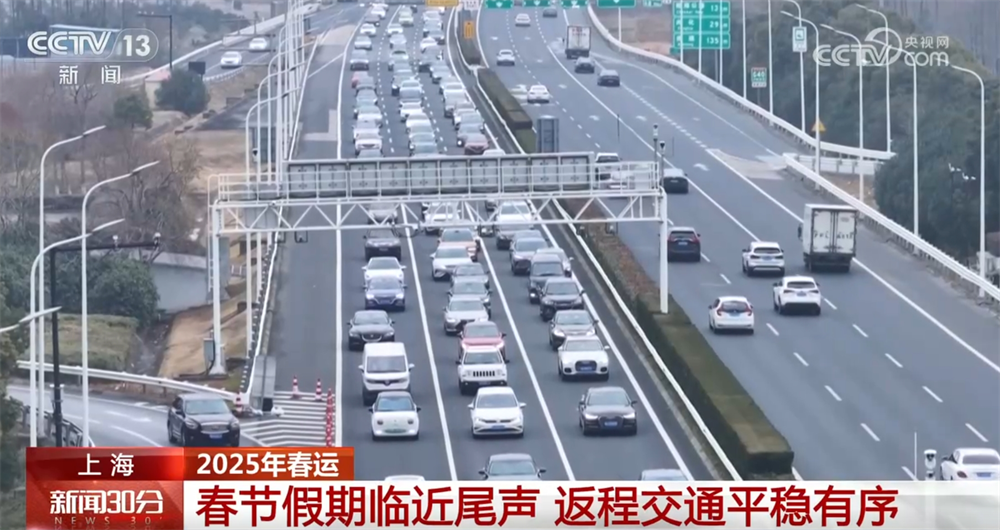
According to the traffic police, the number of traffic returning from the third day of the Lunar New Year has increased, and this situation is expected to continue until the seventh day of the Lunar New Year. In the last two days of the long holiday, the average number of return vehicles per day in the G40 will reach about 60,000 vehicles, an increase of about 20% compared with the first half of the holiday.
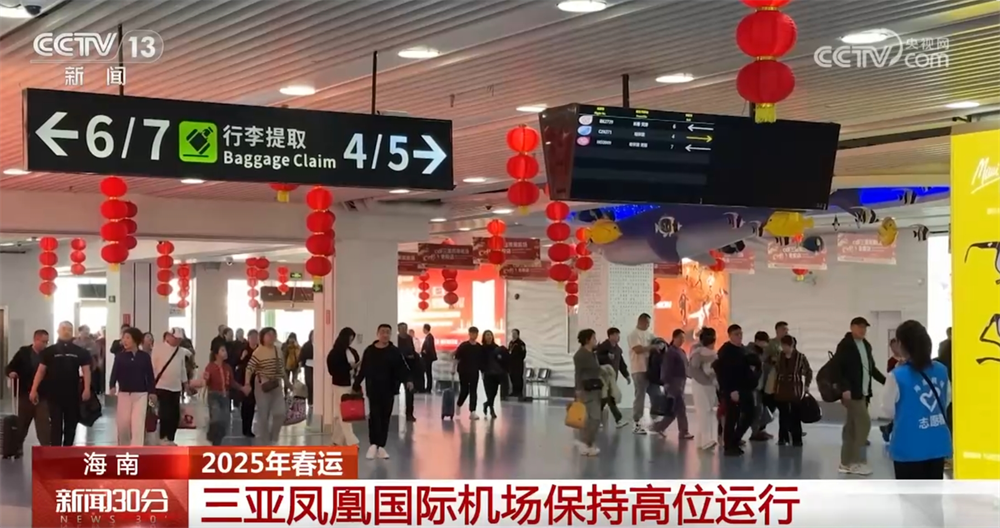
In the past two days, Hainan airports have begun to welcome passenger flow from the island. Since February 1, Sanya Phoenix International Airport has continued to operate at a high level. By February 7, the tenth day of the Chinese New Year, there are not many air tickets left to Chengdu, Chongqing and Guangzhou, and some airlines to Xi'an, Hangzhou, Shenzhen, Changsha, Zhengzhou and other cities have sold out.