
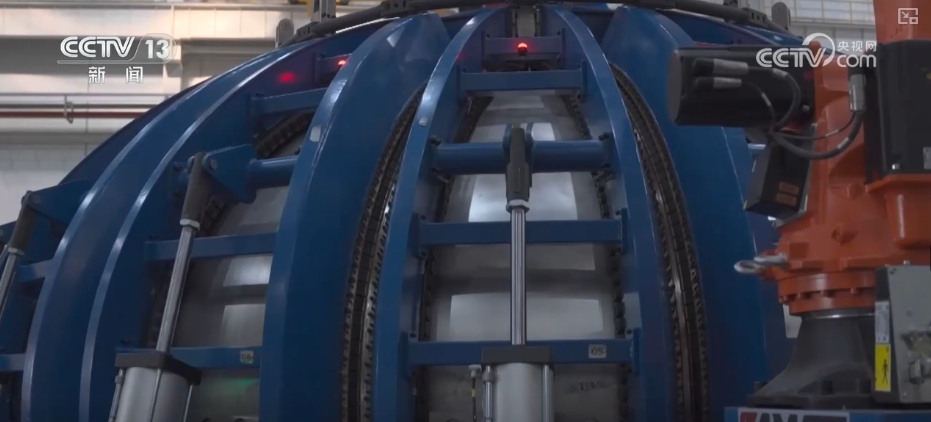
CCTV News: The Long March series of rockets will continue to maintain high-density launches in 2025, so the production of rockets must also keep up with the pace. At the "black light factory" of the China Launch Vehicle Technology Research Institute, key components such as the rocket's "steering wheel" are being accelerated. "Black light factory" is also called a smart factory. It is named because the machines in the workshop are managed by artificial intelligence and can operate automatically without lighting.
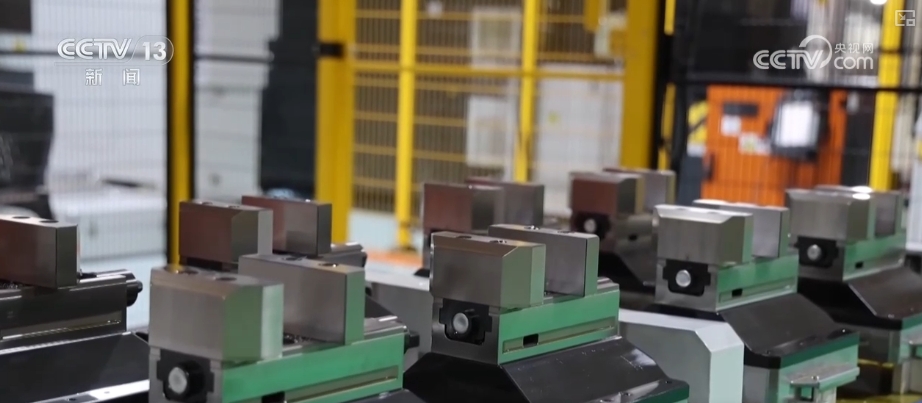
Zhang Hongchao of China Aerospace Science and Technology Corporation introduced that the servo mechanism is equivalent to a steering wheel of a rocket, which accurately controls the rocket's attitude and its flight direction. This area is a production line for the servo shell, and the entire line consists of 10 equipment.
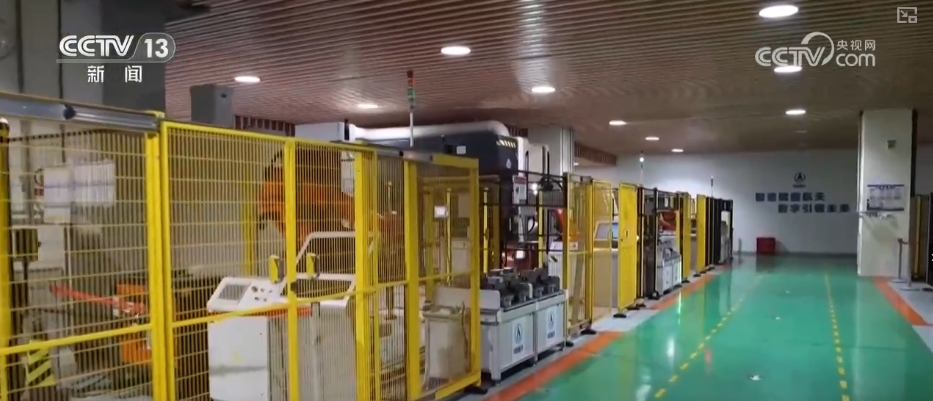
Here, workers placed pre-installed workpieces and pallets in the workstation. No one needs to follow the whole process. From the raw materials to the final product, most of the work is automatically completed by the machine, and the final product looks like copying and pasting.
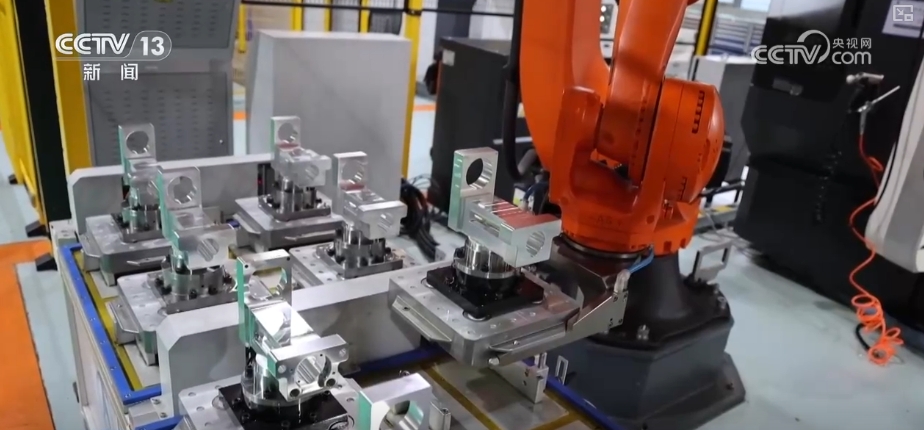
Zhang Hongchao introduced that as an indispensable device for rockets, servo mechanisms must ensure sufficient production capacity to meet the high-density launch needs of the Long March series launch vehicles. And in the entire China Launch Vehicle Technology Research Institute, there are many such intelligent "black light factories".
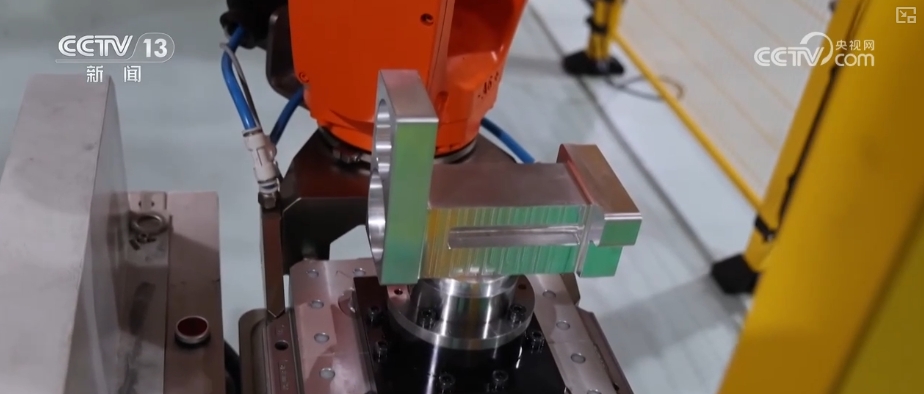
Zhang Hongchao introduced that everyone is very motivated in 2025. Faced with the large-scale delivery of launch vehicles, the institute also ensures that the entire servo product must keep up with the model node. They mainly ensure the smooth delivery of annual tasks from all aspects such as technological innovation. The development of Chang'e-7 is progressing smoothly
In 2024, Chang'e-6 completed the feat of human beings' first sampling and return on the back of the moon. In 2025, the subsequent development of Chang'e-7 and Chang'e-8 will also be steadily promoted.
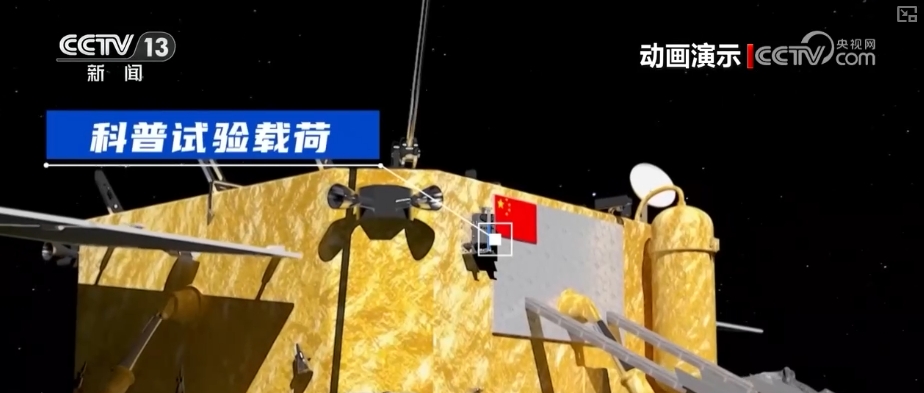
In the Deep Space Exploration Laboratory, scientific researchers are jointly carrying out the development of Chang'e-7 science popularization payloads in Beijing and Anhui. The idea of this payload comes from elementary school students in Changsha. It will go to the south pole of the moon with the Chang'e-7 probe to try to use the interaction of electromagnetic fields to achieve the flag flying on the moon.
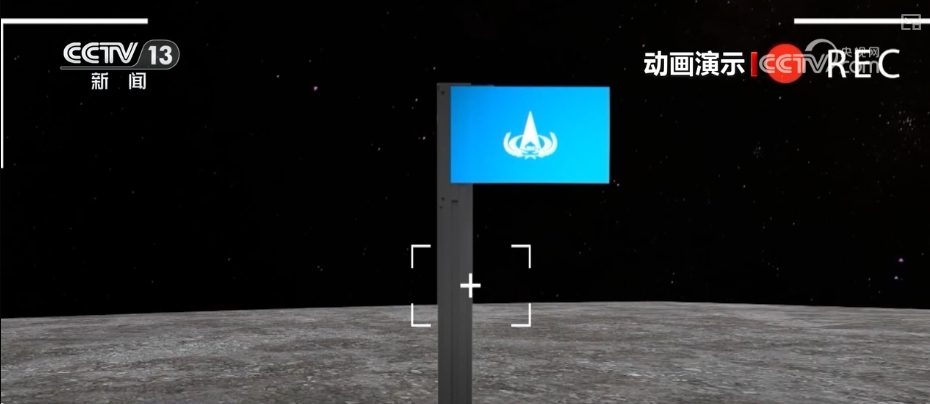
Zhang Tianzhu, deputy director of the Future Technology Research Institute of Deep Space Exploration Laboratory, introduced that there is a vacuum on the moon without atmosphere, so it is difficult to make the flag fly through the wind like on the earth. And what are the primary school students’ ideas? It is when we arrange the wires of this closed circuit on the surface of the flag, pass through the current in the forward and reverse directions of the two directions, and make the flag flutter through the interaction of the electromagnetic field.

If the plan goes well, this will be the first flag floating on the moon's surface. Zhang Tianzhu introduced that this method will help build young people's understanding and understanding of my country's aerospace industry, and stimulate their interest and enthusiasm in engaging in the aerospace industry in the future.
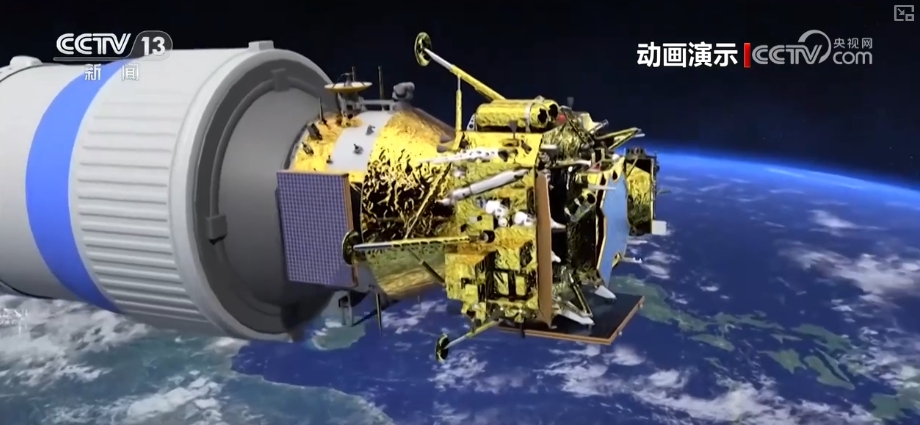
Zhang Tianzhu said that at present, in order to complete the development of popular science test loads in February, everyone is very motivated, and they are divided into different groups to promote this matter.
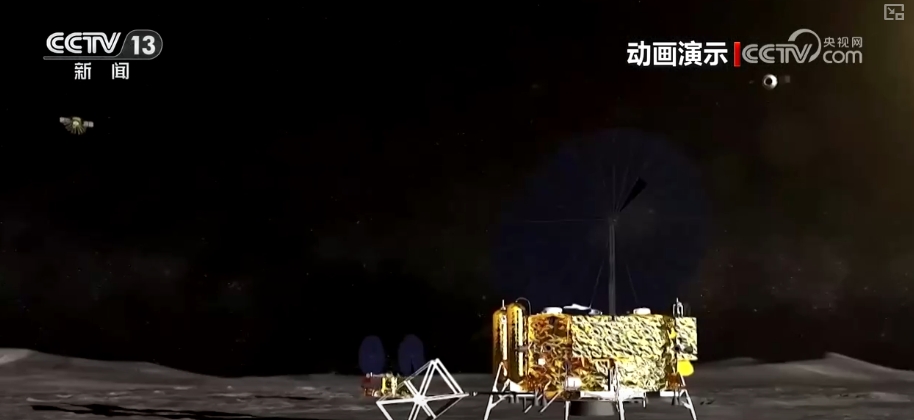
Chang'e-7 is scheduled to be launched in 2026 and will go to the South Pole of the Moon to find evidence of the existence of water ice. In addition, scientific researchers are currently promoting the demonstration work of subsequent Chang'e-8 and the International Lunar Research Station.
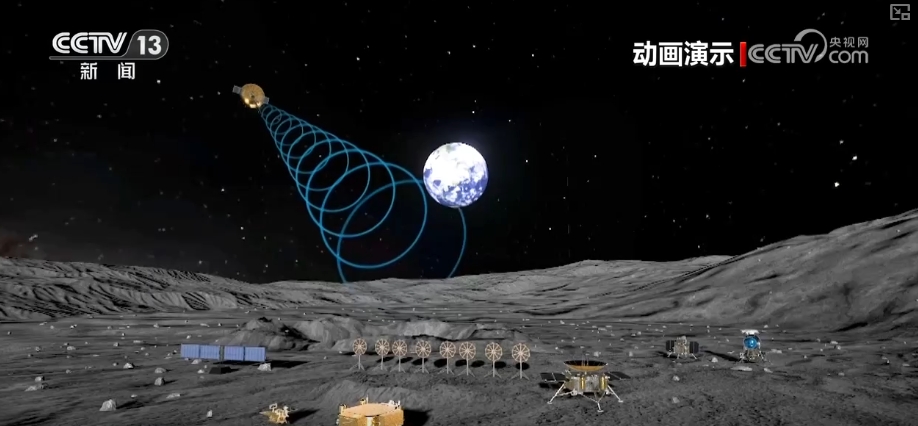
Zhang Tianzhu introduced that their goal is to establish a sustainable and scalable comprehensive scientific experimental facility on the surface of the lunar surface and lunar orbit with long-term autonomous operation and short-term participation, and to build a basic type of the international lunar scientific research station around 2035. China's commercial aerospace industry is a busy scene
In addition to the national team's mission, my country's commercial aerospace industry will also be very busy in 2025. At the beginning of the new year, commercial rockets and commercial satellite companies are already busy.
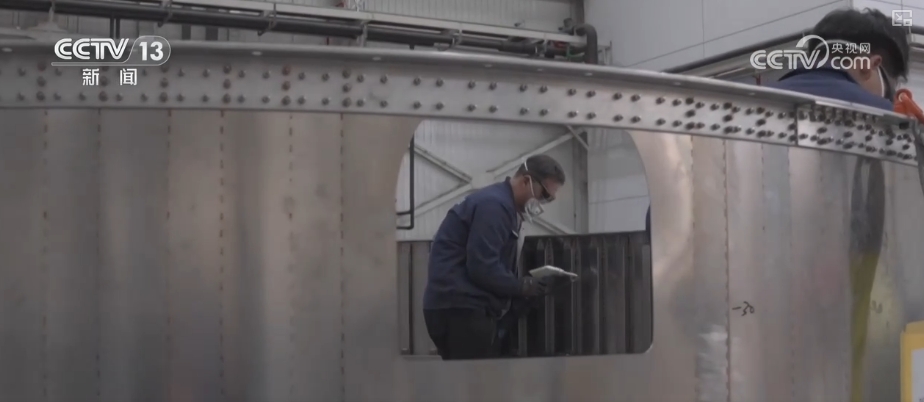
At the Blue Arrow Aerospace Rocket Manufacturing Base in Jiaxing, Zhejiang, developers are assembling and welding rocket cabins in the factory. These cabins will be used for the Zhuque III, which is scheduled to implement its first flight in 2025.
In 2025, my country's multi-type commercial liquid rocket will be for the first time, and constellations such as satellite Internet and commercial remote sensing will also be deployed on a large scale. At the Jiuquan Satellite Launch Center, the atmospheric detection remote sensing satellite developed by Galaxy Aerospace is under test and is scheduled to be launched in January 2025.