CCTV News (News Network): As the largest province in China's economic output, how can Guangdong shoulder the responsibility of "taking the lead" and take new and solid steps in promoting Chinese-style modernization? For the "Authoritative Interview: Looking for Development and Launching a New Chapter" on January 19, please see the exclusive interview with Wang Weizhong, deputy secretary of the Guangdong Provincial Party Committee and governor.
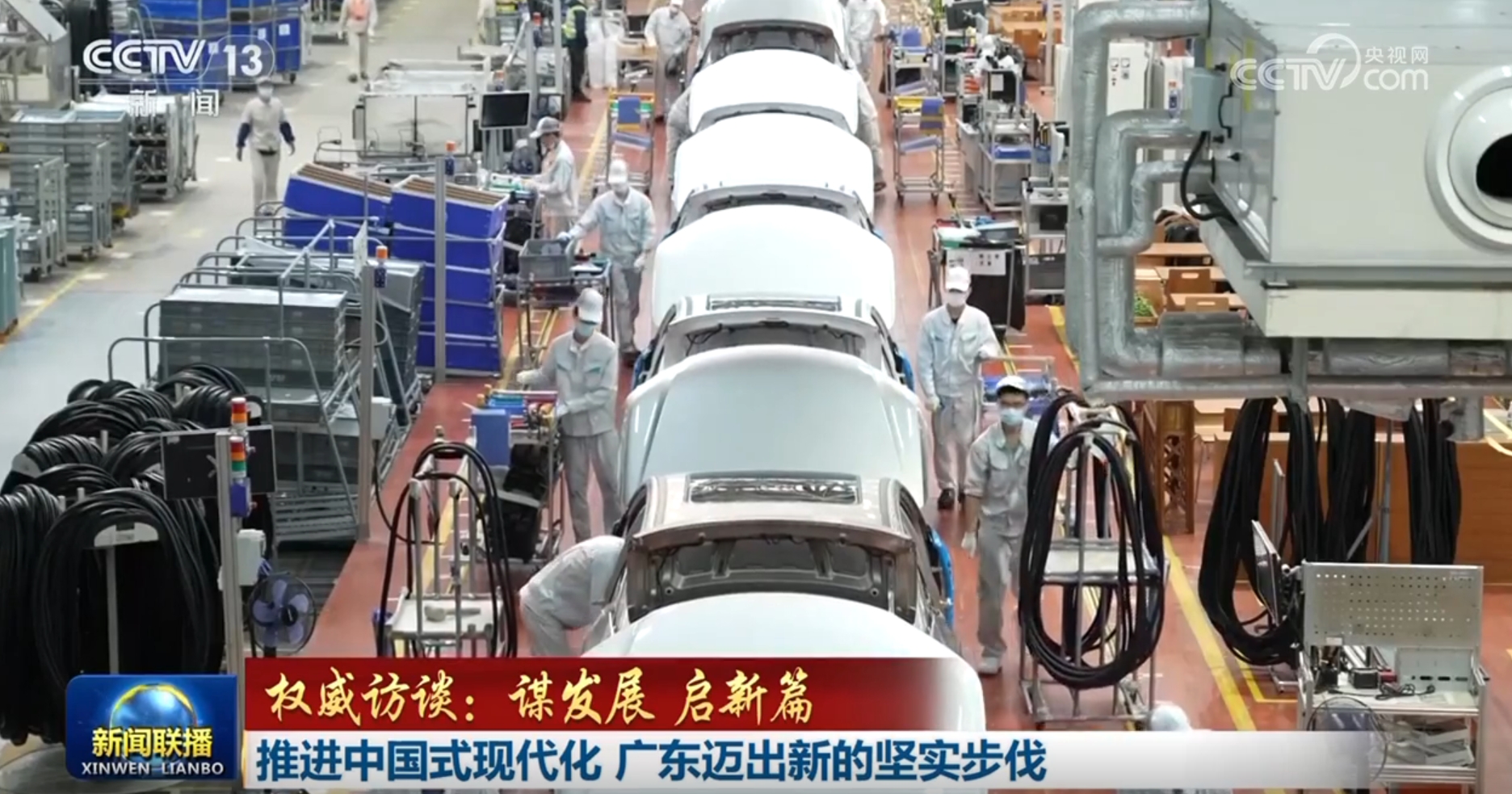
In 2024, Guangdong's GDP is expected to reach a new level of 14 trillion yuan, with the total import and export volume exceeding 9 trillion yuan, an increase of 9.8%, contributing nearly 40% of the country's trade increase. The investment structure is constantly optimized, with industrial investment accounting for more than 37%; the industrial structure is continuously optimized, and regional innovation capabilities are the first in the country for eight consecutive years.
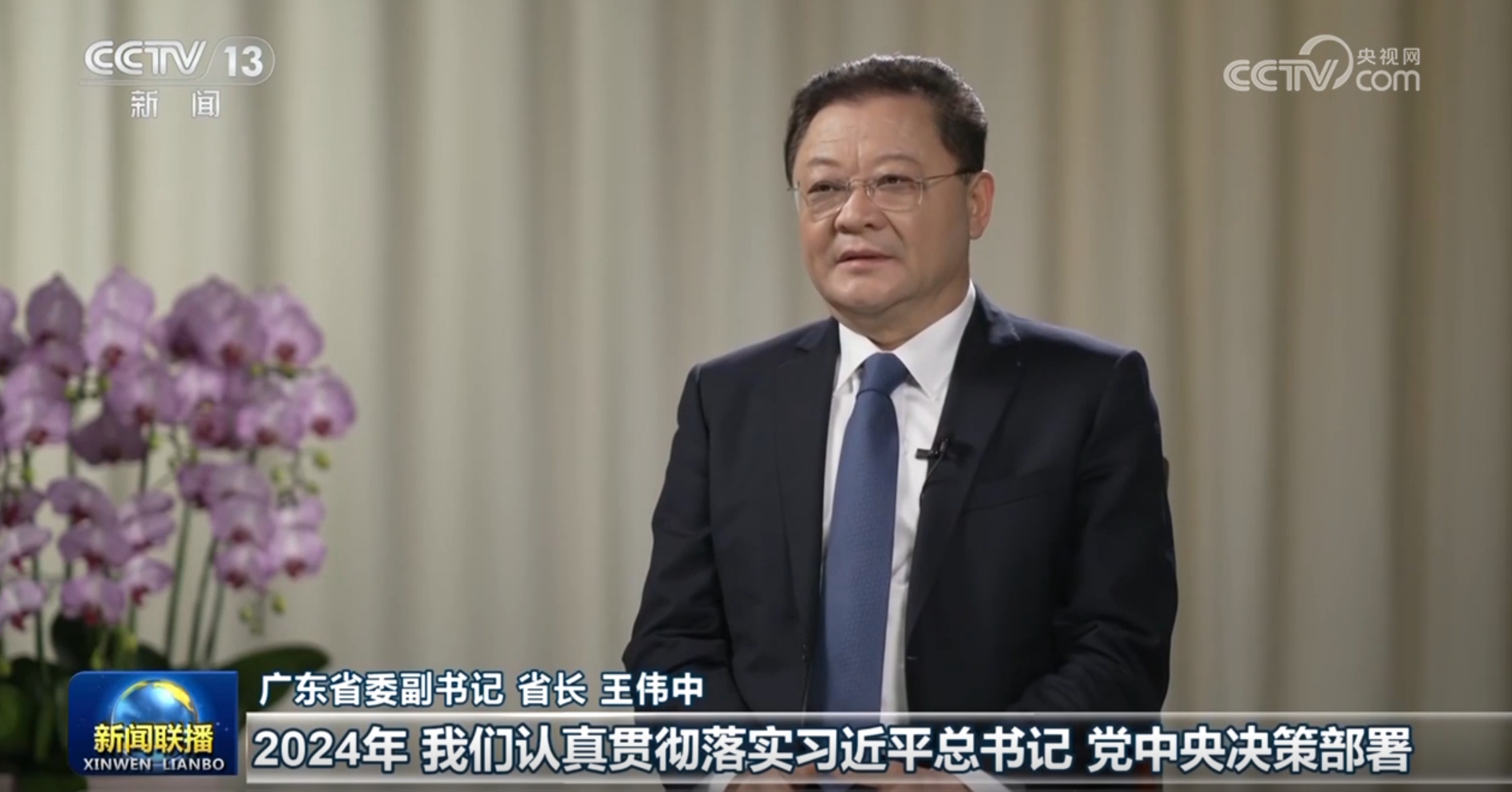
The Central Economic Work Conference emphasized that it is necessary to use scientific and technological innovation to lead the development of new quality productivity and build a modern industrial system. This year, Guangdong will adhere to the principle of real economy as the basis and be in the manufacturing industry, accelerate the construction of a full-process innovation chain of "basic research + technical research + achievement transformation + science and technology finance + talent support", develop new quality productivity according to local conditions, and accelerate the construction of a more internationally competitive modern industrial system.
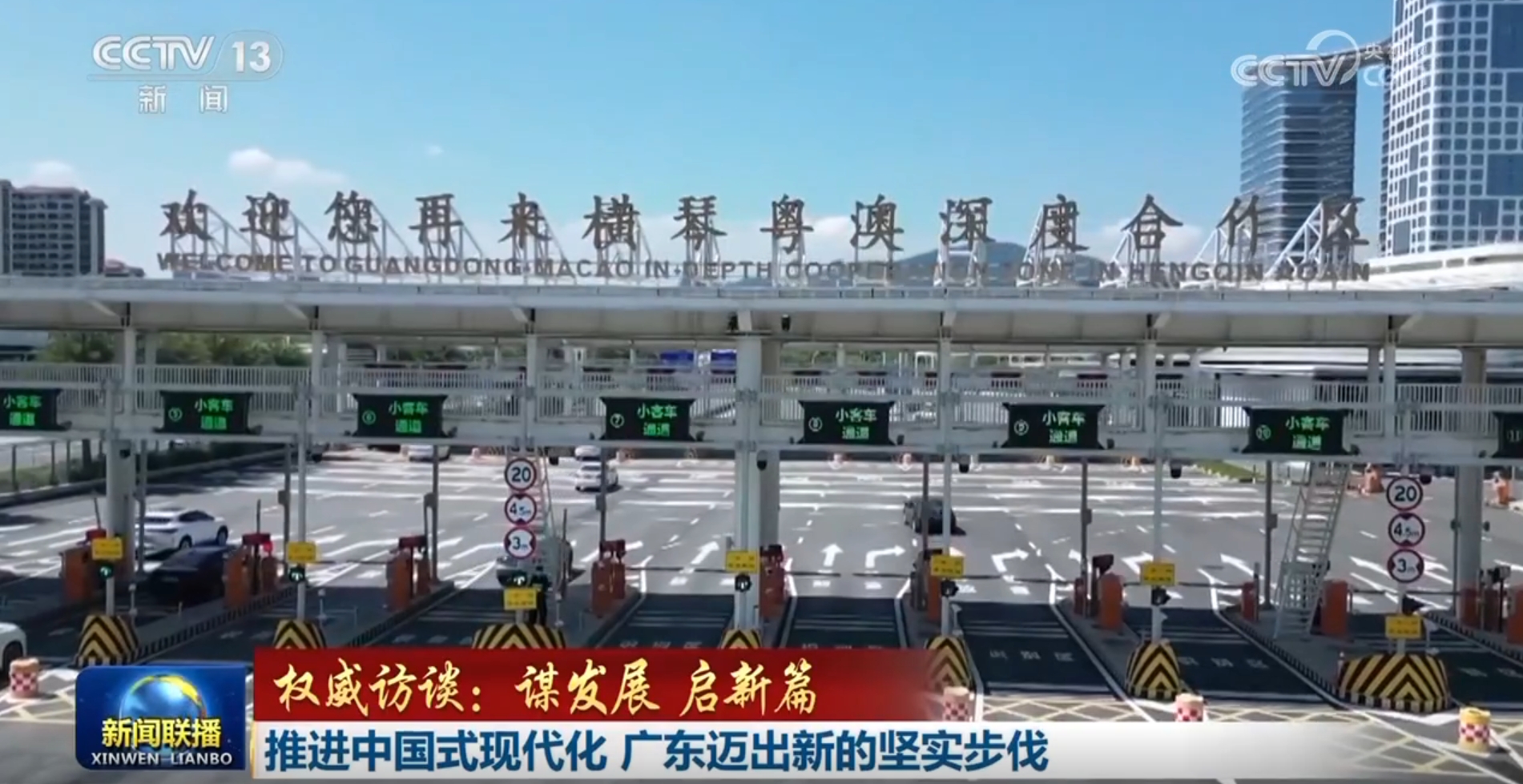
In the new year, Guangdong has unswervingly promoted high-quality development, deepened the construction of the Guangdong-Hong Kong-Macao Greater Bay Area in the new stage, leveraged the comprehensive advantages of Guangdong-Hong Kong-Macao and Macao, promoted the integrated construction of the Greater Bay Area market, strengthened the construction of major cooperation platforms in Hengqin, Qianhai, Nansha and Hetao, and worked with Hong Kong and Macao to promote the "hard connectivity" of infrastructure and the "soft connectivity" of rules and mechanisms, and drove the province to further deepen reforms and expand high-level opening up.