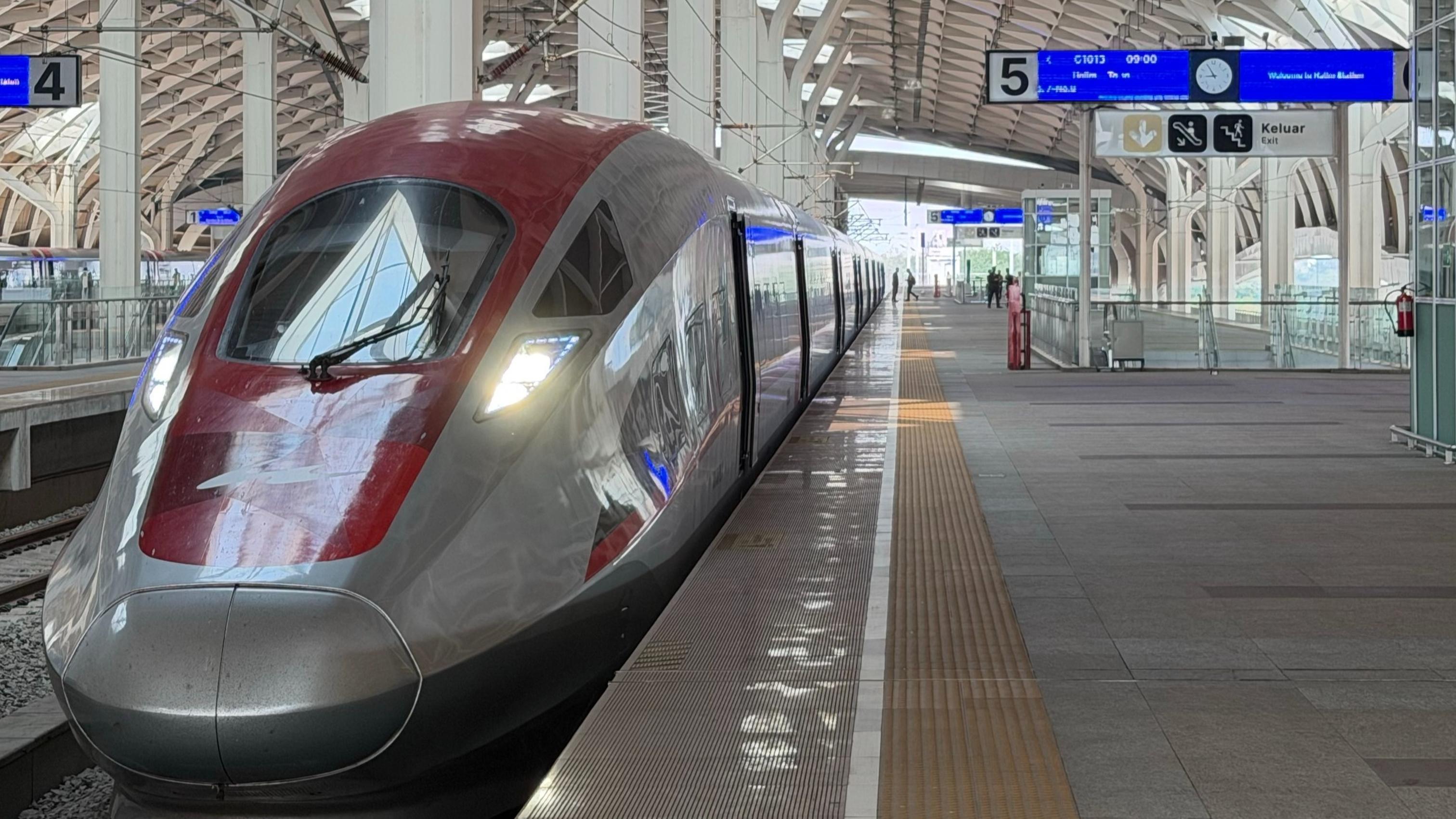
News from CCTV: The reporter learned from the China Railway Group that the China Railway Group will launch the reform of the national railway train schedule. This reform will add new high-speed passenger trains with the prefix X to meet the subsequent launch needs of the new generation of EMUs.
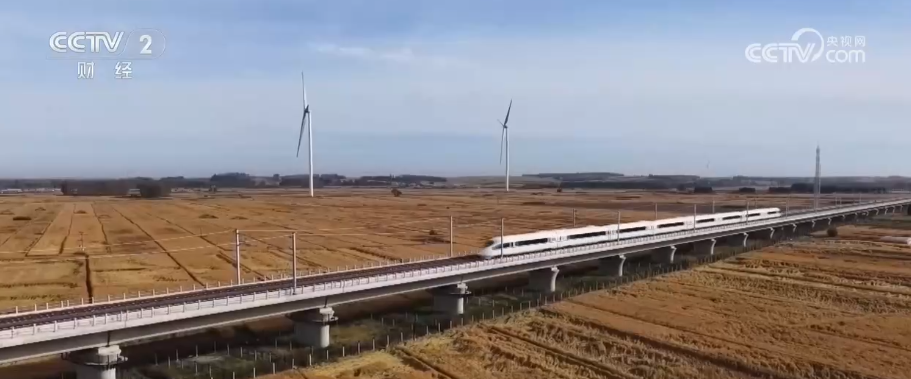
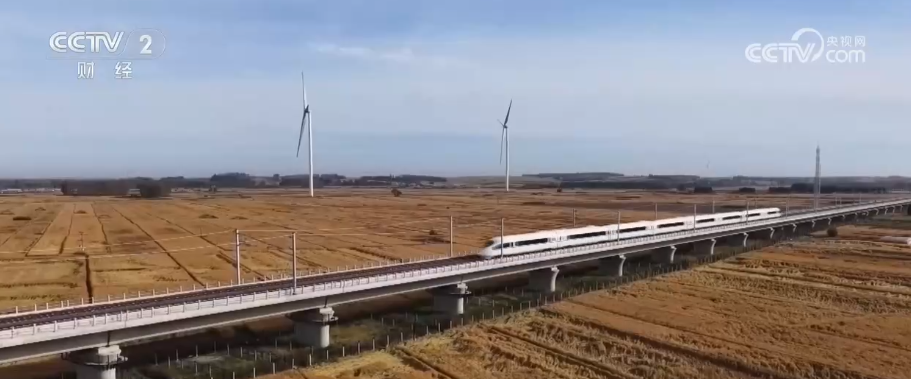
The launch of this train schedule reform is behind the leap-forward development of my country's railways.Data show that from 2014 to 2025, the national railway operating mileage increased from 112,000 kilometers to 165,000 kilometers, an increase of 47.6%; the number of high-speed EMUs increased from 1018 standard groups to 3149 standard groups, an increase of 209%.The average daily number of passenger trains increased by 141%.
Shen Hongnan, deputy director of the Train Operation Map Division of the Ministry of Transportation of China Railway Group, said that especially during peak transportation periods such as the May Day and National Day holidays, the number of trains prefixed with G accounts for more than 90% of the available train number and segment resources. The contradiction between some of the prefix and number segment resources used in train schedules and railway transportation demand has become increasingly prominent.
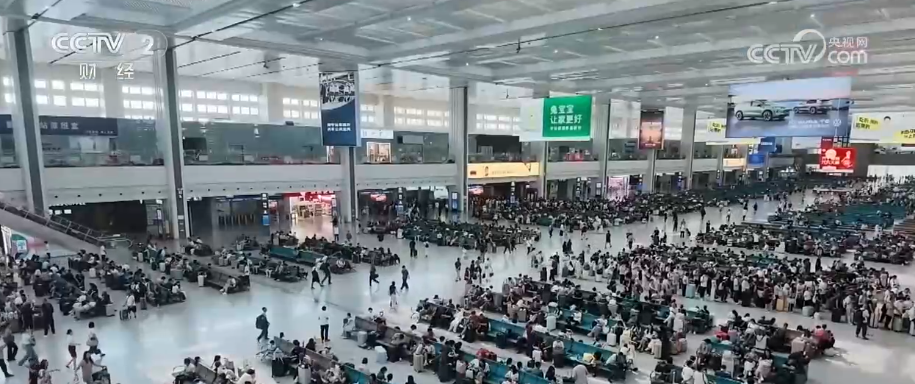
After the adjustment of passenger train numbers, the prefix X is added, which is mainly used for Fuxing EMU trains with a maximum operating speed of more than 350 kilometers per hour in the future. The prefix G represents the Fuxing EMU with a maximum operating speed of 350 kilometers per hour. The prefix T corresponds to an EMU with a maximum operating speed of 300 kilometers per hour. The prefix K isEMUs with a maximum operating speed of 200 to 250 kilometers per hour; the prefixes D, C, and S correspond to EMU trains, intercity trains, and urban (suburban) passenger trains respectively; the prefixes Z, N, and V (according to English letter pronunciation) correspond to express and ordinary-speed passenger trains of different speed levels, and the prefix Y indicates ordinary-speed tourist trains.
Li Hua, senior engineer of the Product Development Department of the National Railway Group Passenger Transport Center, said that the number of trains that can be used for train expansion is about 40% more than before, which will better adapt to the commissioning of new lines and new equipment in the future.By rearranging the prefixes of train numbers, passengers can directly see the speed level and operating range of the train more clearly.
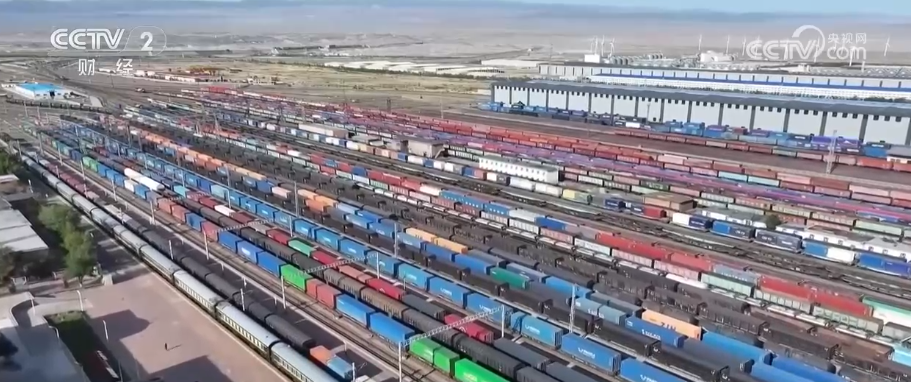
As for freight trains, after the adjustment, the prefix of freight trains will be unified to B, and the prefix of EMU express trains will be DH.Other freight trains still use the arrangement method without prefixes, forming five categories of products: China-Europe-Central Asia trains, multimodal trains, intercity trains, bulk direct freight trains, and EMU express trains.
Li Xiang, the first-level director of the White Cargo Logistics Department of the China Railway Group Logistics Center, said that after the implementation of the new number of freight trains, cargo owners can identify the type and speed level of the freight train at a glance, making it easier for cargo owners to master and use it.