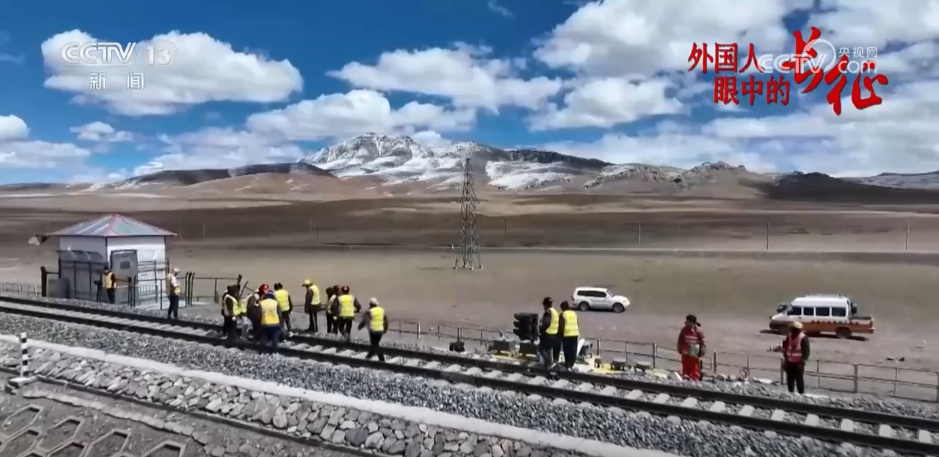
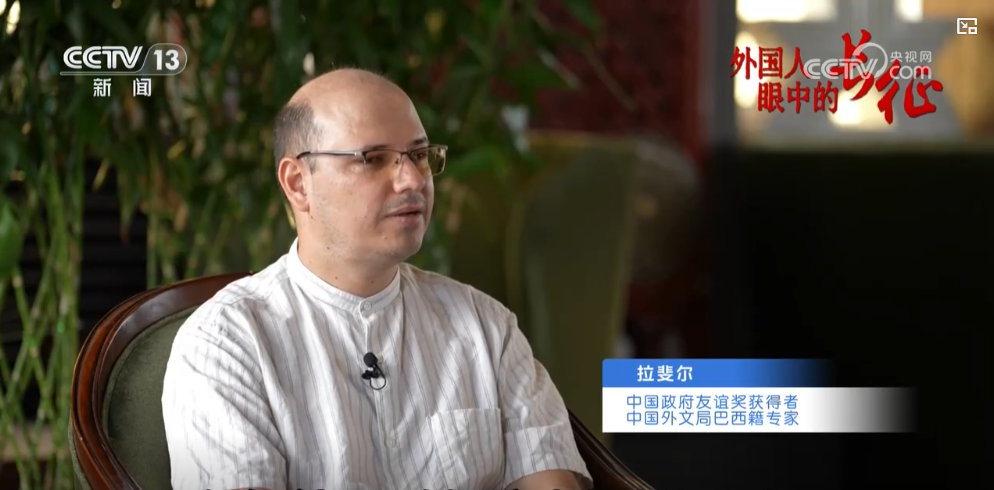
News from CCTV: This year, Brazilian scholar Rafael, winner of the Chinese Government Friendship Award, revisited the site of the Long March in Gansu, visited the red hot land, and recorded the changes of the times.From book theory to field scenes, from watching history to touching the years, he understood the true and vivid spirit of the Long March from an international perspective.
That was a very valuable opportunity, and it also gave me a deeper understanding of this period of history.We visited many old sites related to the history of the Long March, and also unearthed the stories of local people to observe the development and changes of Gansu over the past 90 years.
I read "Red Star Shines on China", and this year I read Salisbury's book on the Long March. Both books mentioned the Battle of Lazikou.When I went to that place and saw those mountains and cliffs for the first time, I realized that the geography was very different from what I had originally imagined, and I understood why it would be so difficult for the Red Army to climb the mountain, get to the top, and attack from the top.When you hold a torch, you can only see your next step, and the whole person is in darkness.I could feel the rock beneath my feet and it was really uncomfortable to wear shoes like these.Just imagine, the Red Army marched in the dark holding torches and wearing such straw sandals. It is really unbelievable. The degree of hardship is simply unimaginable.Despite the difficulties, the Long March continued.
I visited many historical sites and they have been preserved.At the same time, I also noticed the economic development of Gansu: highways, high-speed railways and agriculture have all made great progress.For example, I remember that there was an industry of Angelica sinensis in Min County.Nowadays, with the improvement of infrastructure, a complete local angelica processing industry chain has been established.The locals are better off now.I also noticed that the "Long March Spirit" still continues in Hadapu Town - I once tasted the pancakes there, and they called them "Red Army Pancakes". They even made the pancakes into an octagonal shape, shaped like the Red Army's military cap, to commemorate the Red Army's contribution to the development of the local area.
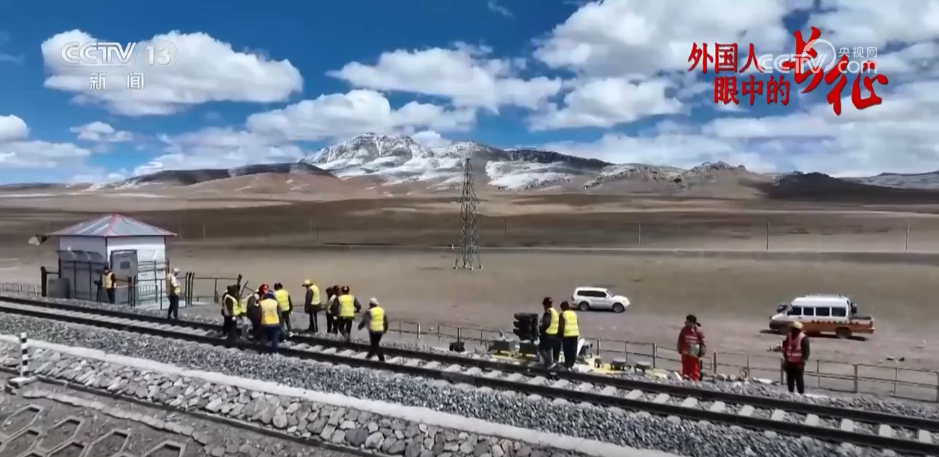
The Long March was crucial to uniting the Chinese people - especially during the Japanese invasion of China.You can't imagine what China would be like today without this Long March spirit.Imagine that there are countless battles and difficulties along the way, and they will even encounter more difficult situations, but they always move forward bravely.It’s about hope and the courage to face challenges head-on, no matter how difficult.I think it is the Chinese people who have cultivated this spirit.Today, China is working hard to achieve national rejuvenation. It is undoubtedly an arduous task to achieve new goals and promote further development of the country.The "Long March" is an important spiritual driving force in this process.
While in Gansu, I noticed that this deep friendship that has lasted for many years, this ability to unite people and provide people with a positive and optimistic spirit of looking forward to the future has shaped the face of China, helped China's development and defined the character of today's China.When you delve into the history of the Long March, you can understand how China succeeded in uniting the people and uniting the people across the country to strive for a common goal. This is very enlightening for developing countries.