
CCTV news: Under the "dual carbon" goal, my country's thermal power industry continues to deepen its transformation and upgrading, achieving systematic breakthroughs in areas such as clean carbon reduction and efficient regulation. The supporting and regulating role of thermal power in the new power system has been further highlighted, providing a solid guarantee for the green and low-carbon transformation of energy.
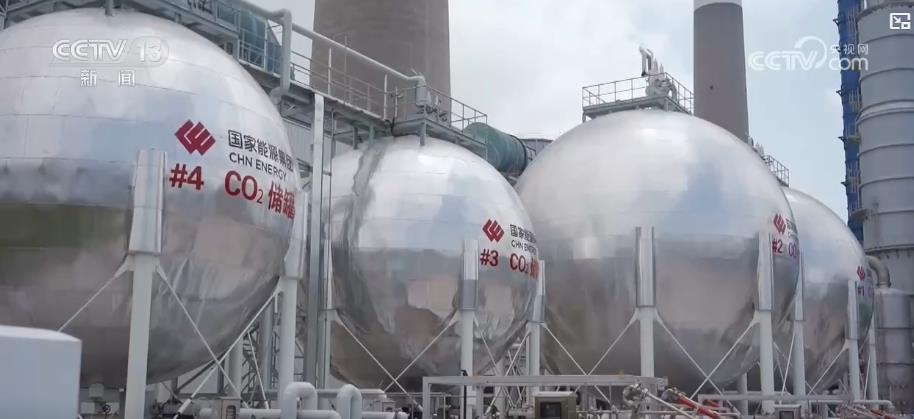
At present, my country's three core low-carbon transformation routes for thermal power are biomass blending, green ammonia blending, and CCUS, which is carbon capture, utilization and storage.Among them, biomass blending is relatively the most mature, and it is also the most widely used and largest technology route in the low-carbon transformation of thermal power units.Up to now, there are more than 100 biomass blending projects put into operation or planned and under construction, covering various methods such as direct biomass blending and gasification coupling.
The latest data from the China Electricity Council shows that as of the end of 2025, the country’s installed biomass power generation capacity will be 47.43 million kilowatts, accounting for 1.2% of the total installed capacity; the national biomass power generation capacity will be approximately 225 billion kilowatt hours, accounting for 2.1% of the total power generation capacity.
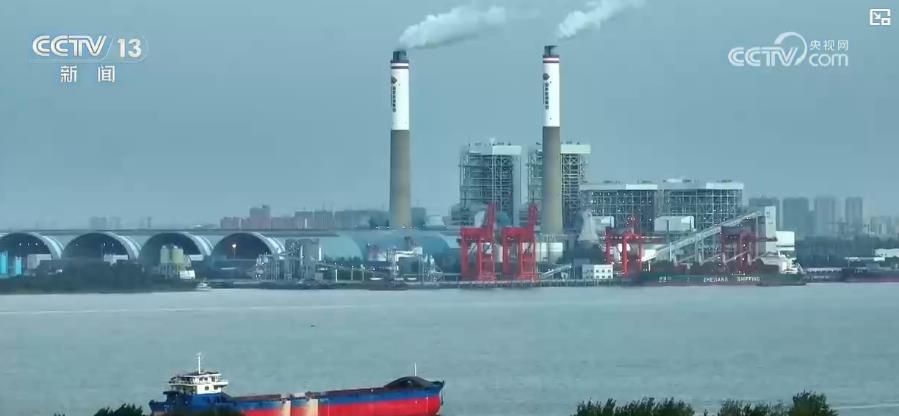
At present, my country has built the world's largest clean coal power system, with ultra-low emission levels of coal power and continuous optimization of unit operation energy efficiency.According to the plan, by 2027, my country's coal-fired low-carbon power generation technology route will be further matured and broadened, and the carbon emissions per kilowatt hour of the renovation project will be reduced by about 50% compared with similar units in 2023, approaching the carbon emission level of natural gas generating units.