
Recently, the bluenose plowshare ray, a globally endangered species, was successfully artificially bred in Sanya, Hainan.At present, the 12 young rays can open their mouths to eat, and all physiological indicators are normal.
In the conservation tank of the aquarium, 12 baby bluenose plowshare rays are swimming at the bottom of the tank.At just half a month old, they are already able to open their mouths and eat.
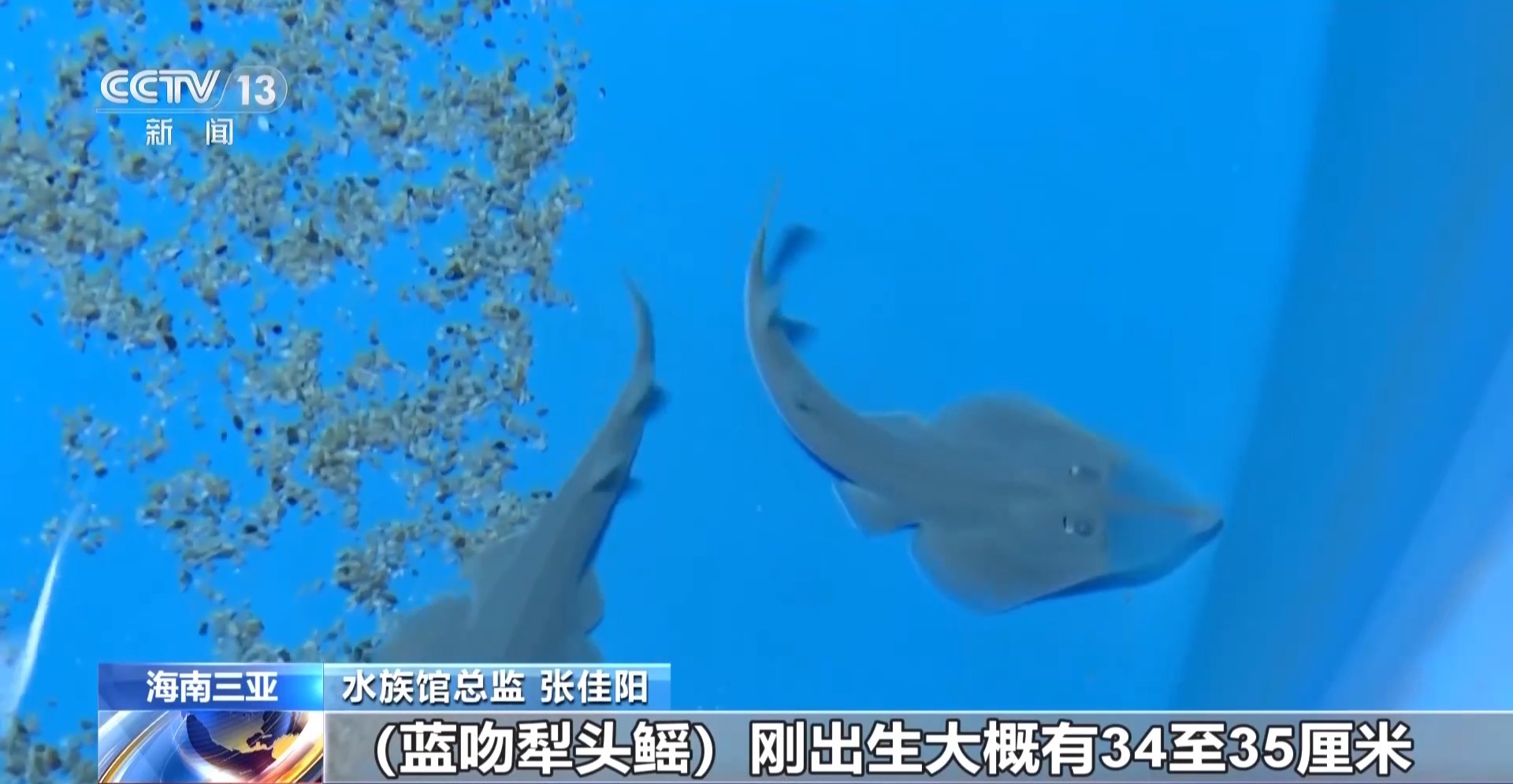
Aquarium Director Zhang Jiayang: The blue-kissed plowshare ray was 34 to 35 centimeters when it was born, and it has grown significantly now.Each baby can eat 6 to 7 pieces of shrimp every day. They use the transparent cartilage at the front to explore the food. When they find the food at the bottom, they will suck it into their mouth and swallow it into their stomach.After feeding every day, we will suck out the remaining bait to prevent it from polluting the water quality.
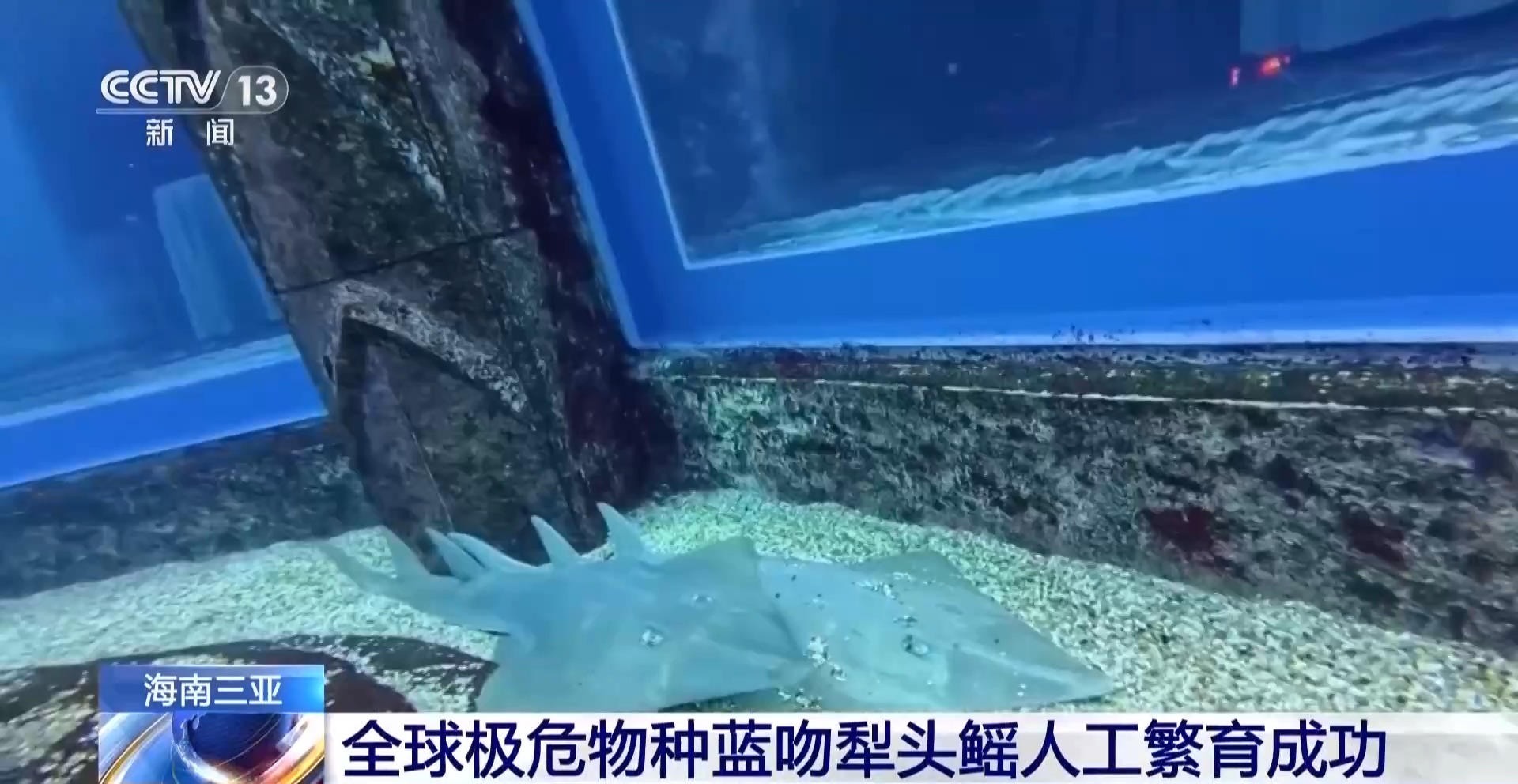
According to reports, the parents of this breeding are conservation individuals that were introduced by the aquarium in compliance with regulations in 2018. The parent fish showed signs of breeding last year, but the larvae did not survive.In May this year, staff observed the female fish becoming pregnant and moved her to an isolation breeding tank when she was about to give birth.On July 31, 12 baby rays were successfully born.

The bluenose plowshare ray is an important benthic cartilaginous fish in the tropical and subtropical coastal waters of the Indian Ocean and the Western Pacific. It plays an important role in maintaining the balance of the marine ecosystem. Due to the sudden decline in wild population numbers, this species is listed as a critically endangered species on the IUCN Red List. They are extremely difficult to breed and are extremely sensitive to disturbances such as water quality, water temperature, and environment. They may miscarry at the slightest external stimulus.
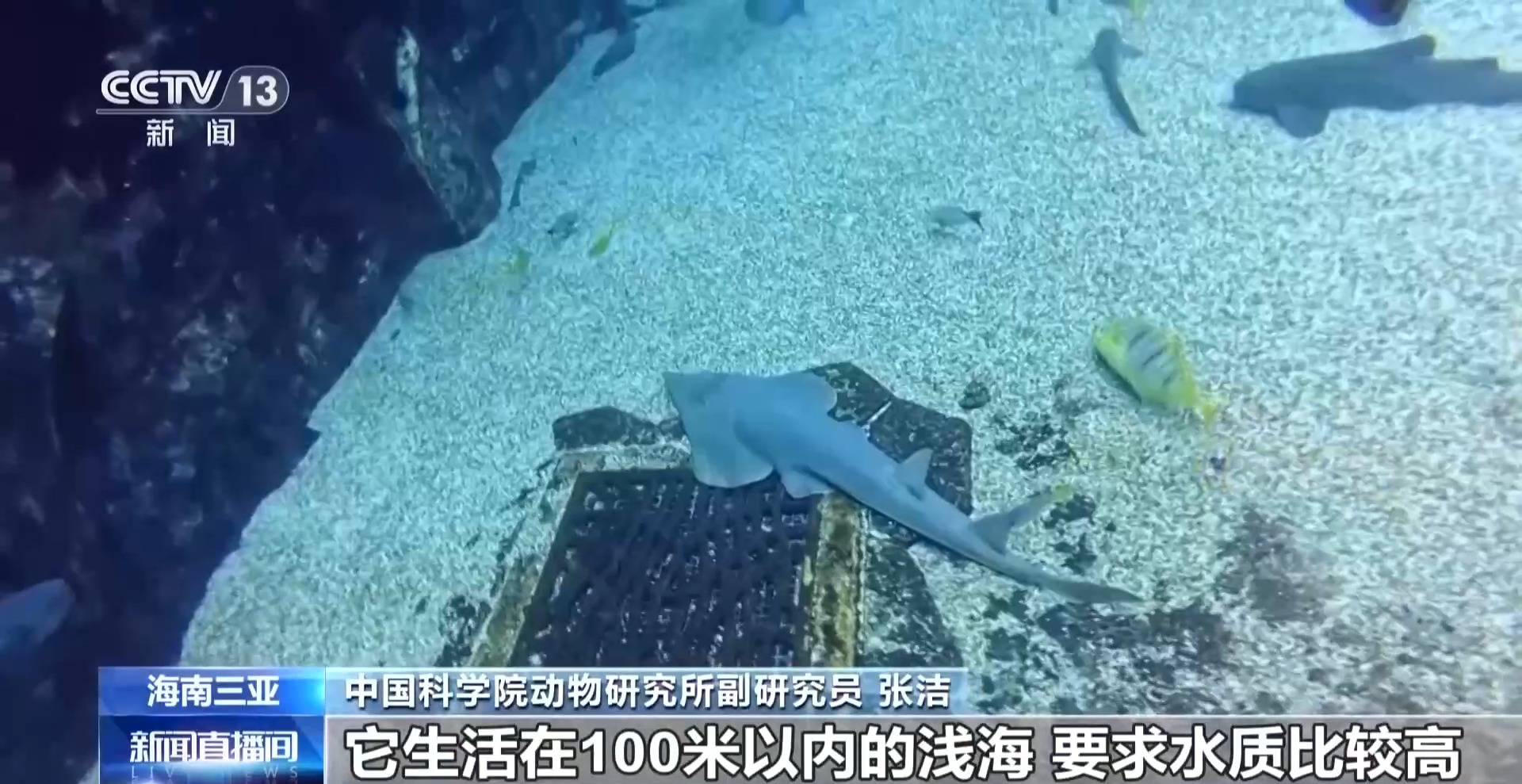
Associate Researcher, Institute of Zoology, Chinese Academy of SciencesZhang Jie: It lives in shallow seas within 100 meters and requires relatively high water quality. Its reproductive cycle is very long. It often takes 8 to 10 years to reach sexual maturity. Only a very matching environment can breed successfully.
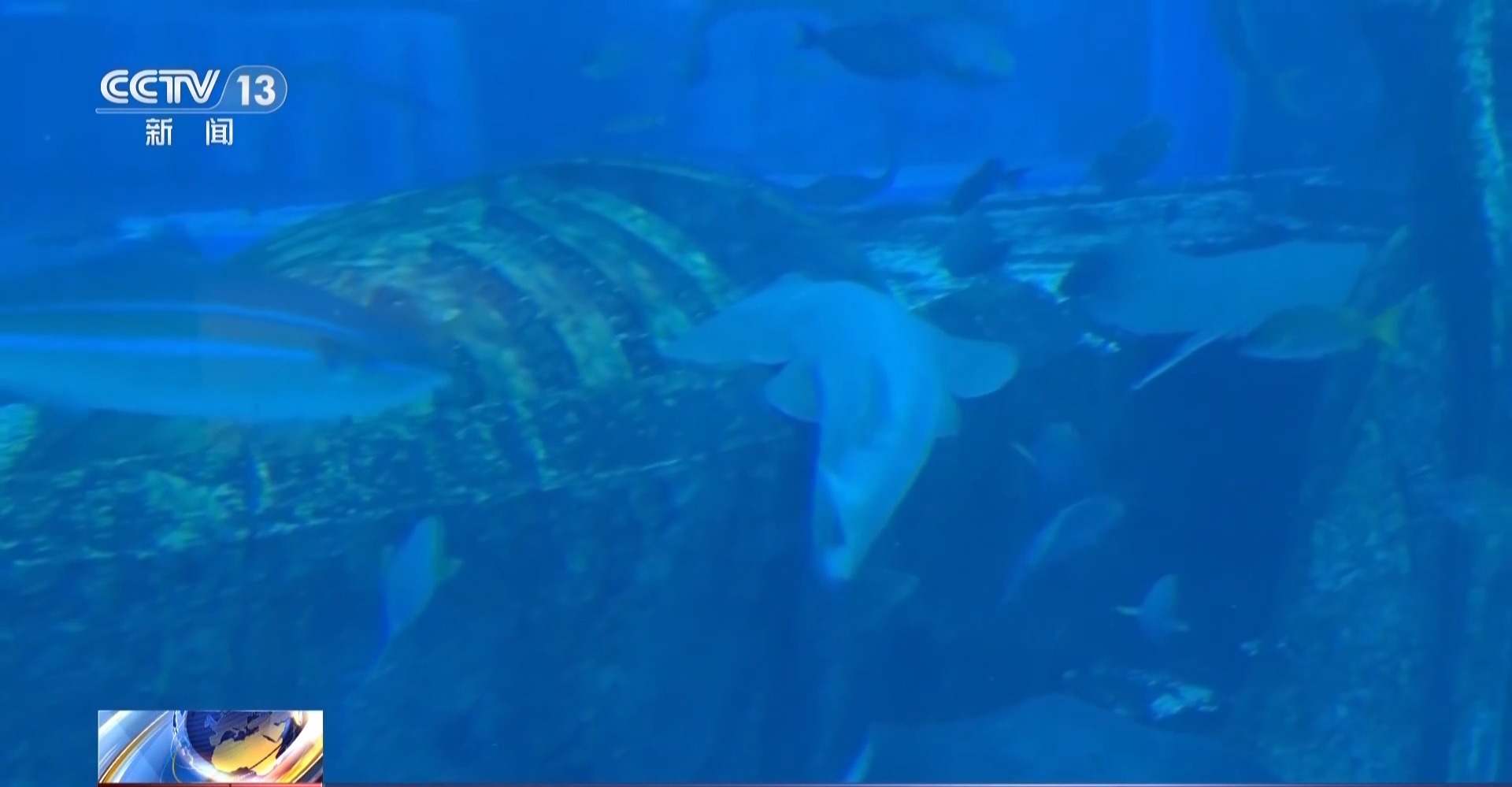
In the next step, scientific researchers will continue to manage and protect the 12 young rays, establish breeding observation files, and improve the conservation database of this population.At the same time, we will connect with international shark conservation organizations to further promote the artificial breeding and ex-situ protection of cartilaginous fishes in my country.