News from CCTV: At present, global geopolitical disturbances are frequent, and the stability of energy supply in many countries is under pressure. Countries are paying more and more attention to energy independence and energy security, and continue to increase the procurement of energy storage equipment and the layout of energy storage projects.
In the first quarter of 2026, China’s energy storage industry broke the traditional off-season pattern, and its export business ushered in explosive growth. The export value of lithium-ion batteries, one of the core and most critical components of energy storage equipment, increased by more than 50% compared with the same period last year.
What is the current production and sales situation of energy storage companies? Let’s look at the reporter’s visit to Shenzhen, Guangdong.
In an energy storage production company in Shenzhen, Guangdong, Indian buyer Chander Seko, who has cooperated with it for many years, is discussing the next step of cooperation with the staff. Because the demand for energy storage products in the Indian market is increasing, this year, he plans to increase purchases. Chander Seko said that they have placed orders for nearly 200 MWh and have completed delivery. Now they are preparing to place an order for another 500 MWh CNN utility project, and they have also started planning discussions for next year's demand.
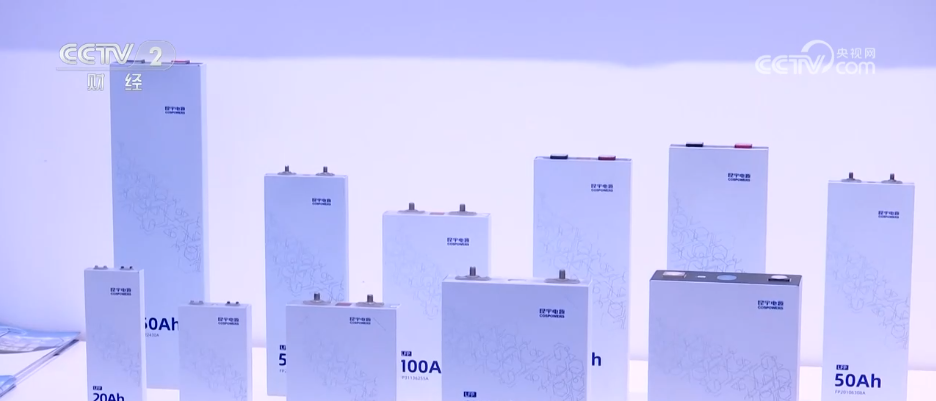
Since the beginning of this year, the demand for overseas energy storage products has been growing. Company staff are fully aware of this, and the number of foreign merchants coming to inspect has increased significantly. Before exporting energy storage products overseas, you need to apply for a dangerous goods packaging appraisal to explain to the relevant departments that the exported goods meet the requirements. Since this year, the frequency of applications for this business has also increased significantly. The person in charge of the company told reporters that the first quarter of previous years was not the traditional peak season for the energy storage industry. This year, driven by overseas market demand, the company's exports of energy storage products in various categories have increased, and overseas sales have also been further expanded.
Data from the General Administration of Customs shows that from January to March this year, my country exported 167.21 billion yuan of lithium-ion batteries, a year-on-year increase of more than 50%. Among them, the EU is the largest export market and ASEAN is the second largest export market. According to Shenzhen Customs staff, in the first quarter, Shenzhen exported lithium batteries to 25.01 billion yuan, a year-on-year increase of 59.7%, and exported to 190 countries and regions. Specifically, the export commodities are mainly energy storage batteries and power batteries.
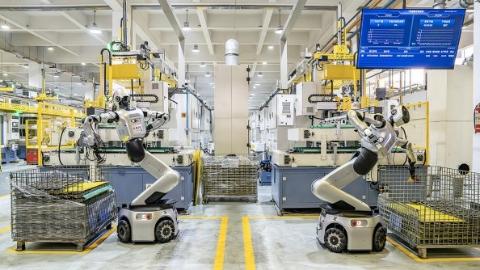
China's energy storage equipment manufacturers are operating at full capacity, adjusting production lines to seize export opportunities
my country's energy storage product exports are experiencing explosive growth. At present, how are manufacturing companies seizing market opportunities? Keep reading.
This company located in Changde, Hunan, is mainly engaged in production, research and development, sales, lithium-ion batteries, sodium-ion batteries and energy storage systems. With the increase in overseas orders, their production capacity utilization rate has remained above 90% in the first quarter of this year, especially the battery cell production workshop, which is operating at almost full capacity. The person in charge of the company said that in the first quarter of this year, battery cell production capacity increased by 124% compared with last year, achieving double growth. The rapid growth of foreign orders will account for more than 50%, and the export of power energy storage systems and industrial and commercial energy storage systems will grow rapidly.
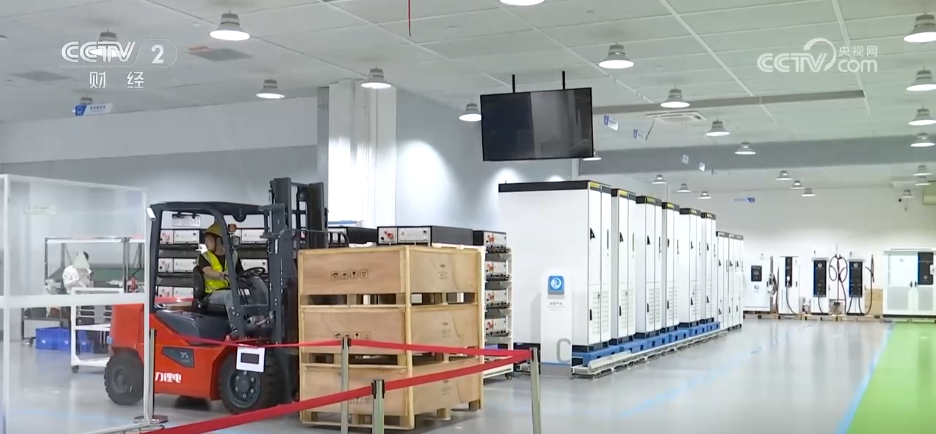
In Shenzhen, an energy storage manufacturer that just put into operation last year, some production lines are being adjusted. Staff told reporters that last year, their orders were mainly domestic, and foreign orders were mainly exported to Southeast Asia. This year, in order to seize the opportunity of increased export volume, they began to explore the Middle East market and adjusted their production lines to a production model more suitable for Middle Eastern products. Relevant staff said that orders from the Middle East require large-scale container-type energy storage products, so the company is now making technical changes to expand 52-string (battery pack) products to 104-string products to adapt to orders from the Middle East.
It is understood that each country currently has different certification standards for energy storage products. Products produced by relevant companies must meet local standards in order to open the market. This puts forward higher requirements for production companies that want to explore wider overseas markets. Zeng Jimin, director of the Energy Interconnection and Security Laboratory of China Construction Science and Technology Group Co., Ltd., said that at present, products exported to Southeast Asia must first comply with international system certification, including CE system (EU compulsory certification) and CB system (Mutual Recognition of Global Electrical Products) certification. After the system certification, the products must also undergo country-specific overseas certification.