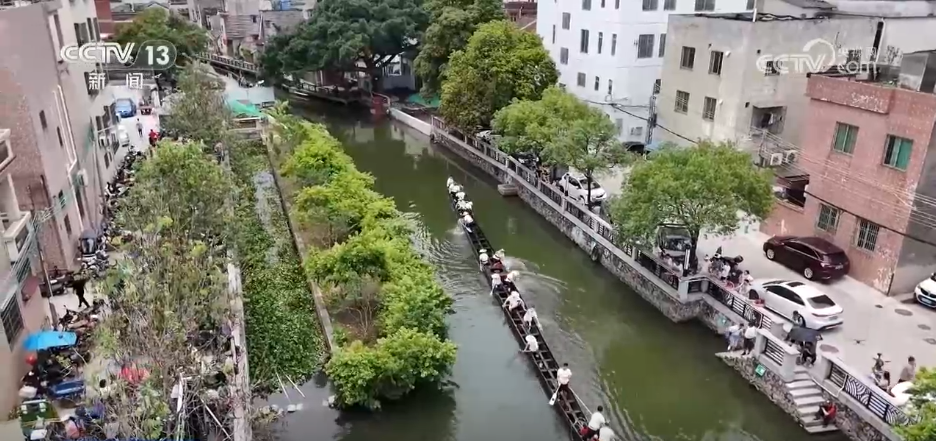
CCTV News: On May 17, 14 dragon boat teams advanced bravely in the Sanban River in Hongqi Town, Jinwan District, Zhuhai, Guangdong, and staged a unique Dragon Boat Festival dragon boat race. As a local characteristic sports event, this rural dragon boat race welcomes many returned overseas Chinese to participate, becoming a vivid footnote to inherit traditional culture and promote the integration of diverse cultures.
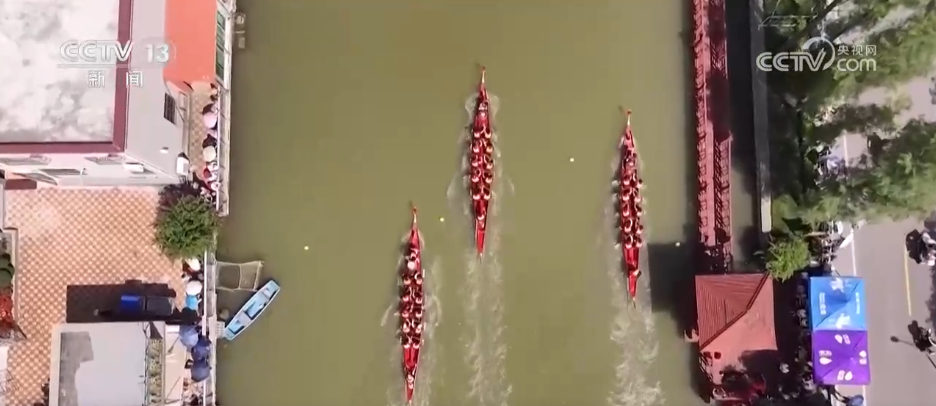
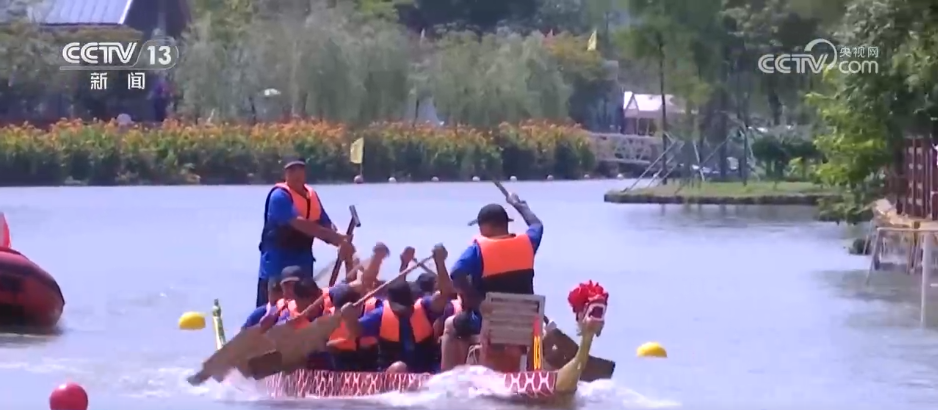
This event attracted 14 village (community) teams from Hongqi Town to participate, and the event was carried out in the form of a 12-person dragon boat racing 400 meters straight. In the Sanban River, the Dragon Boat Team showed speed and passion on the track. The players were neatly moved, lifted their hands and took off the waves, and the atmosphere at the competition was warm.
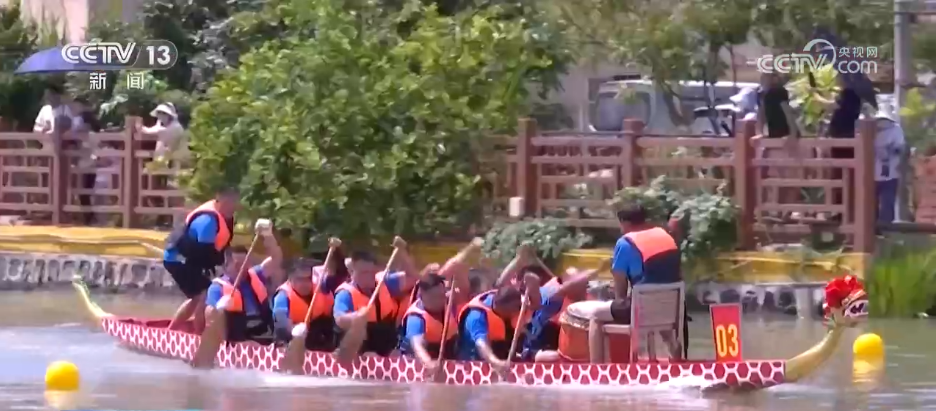
In this year's Dragon Boat Festival Dragon Boat Race, returned overseas Chinese have appeared in many community dragon boat teams. Most of these returned overseas Chinese players come from Southeast Asian countries and actively participate in community activities after settling in Hongqi Town. Dragon Boat Racing is not only a continuation of the traditional customs of Dragon Boat Festival, but also allows them to feel the spiritual resonance of "society and strive for the first place".
Foshan, Guangdong: The old dragon boat starts from the salt step and rejuvenates every year
Dragon boat racing is a Dragon Boat Festival custom. In the Guangzhou area of Guangzhou, the tradition of opening the dragon in April of the lunar calendar is to dig up and wash the dragon boats buried deep in the river last year to welcome the dragon boat race and parade on the Dragon Boat Festival. On the 17th, the Yanbu old dragon boat in the South China Sea of Foshan, Guangdong held a dragon-starting ceremony.
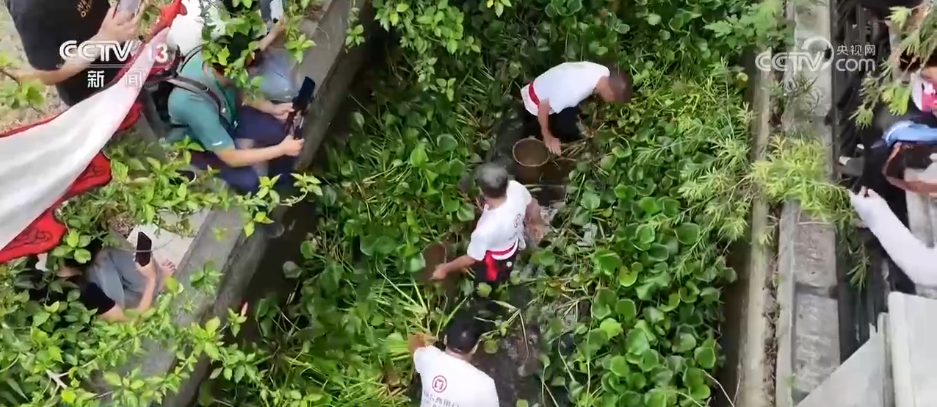
The reporter came to the scene of the old dragon rising from the salt-built old dragon in the Yanbu Foshan, Guangdong Province. The 593-year-old old dragon boat started water here. After the dragon man entered the water, he first dries the water in the hull, including removing the silt. In the past, the dragon boat was buried in the silt under the river surf, but now the villagers have made a dragon bed for the dragon boat, which is the cement hardened base. When starting the dragon, you only need to drain the foul water. The items in the reporter's hand are the tools that Lao Long needs to produce water. The spoon is a tool for clean water. After the water is cleaned, the vine silk should be used to clean mud.
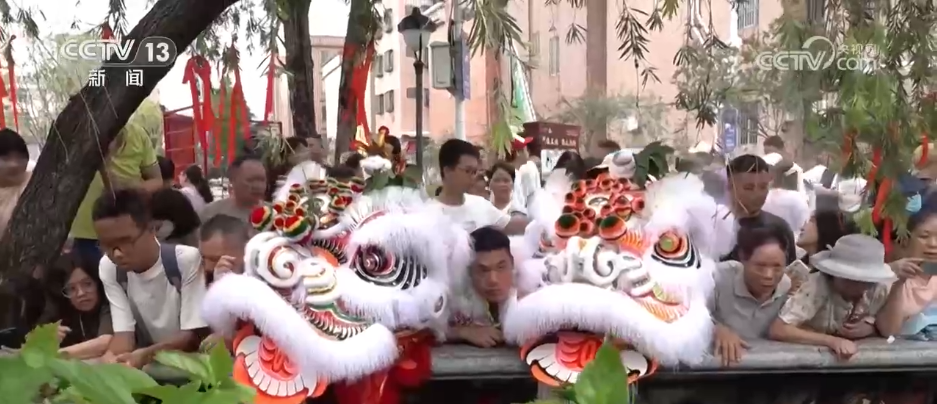
The Salt Bu Laolong is made of Kundian wood. The hull is Pontian wood, which does not contain a dragon head and a dragon tail. It has a total length of 36.8 meters, seats 68, and weighs about 4 tons. Many citizens and tourists have gathered on the edge of the river, and the scene is very lively. In the eyes of many Foshan citizens, Yanbu Laolong is like their "old friend", so many people come here specifically just to take a look at Laolong and take a good intention of the Dragon Boat Festival. After the dragon bed was opened, a gate at one end poured in with the water flow, and the hull slowly lifted up, and the old dragon boat gradually surfaced.
It is understood that after the Dragon Boat Festival every year, villagers hide the old dragon boat in the silt at the bottom of the water, allowing the silt to wrap the hull, isolate the air and sunlight, and avoid the wood from drying and cracking and aging. They will lift the old dragon boat out before the next dragon boat race. After removing the silt, carefully polishing, and applying tung oil or lard, the dragon boat will be completely refreshed. It is this way of preservation that has allowed the Yanbu Old Dragon Boat to go through a hundred years of ups and downs, and still shines in the dragon boat culture, carrying a profound historical heritage and water town memory.
Fuzhou, Fujian: The "dragon boat economy" boom is emerging to stimulate new vitality in cultural and tourism consumption
Dragon boat racing is not only a traditional event of the Dragon Boat Festival, but also a dragon boat race is held almost every week on many inland rivers in Fuzhou, Fujian. Dragon boat racing has long become one of the most popular folk sports activities for local people. In the past two years, driven by the integration of cultural heritage and innovation, new consumption scenarios have been created, which not only enhances the vitality of the city, but also injects new impetus into the local cultural and tourism economy. Let’s go to Fuzhou together to experience the local traditional culture in the beautiful scenery of early summer.
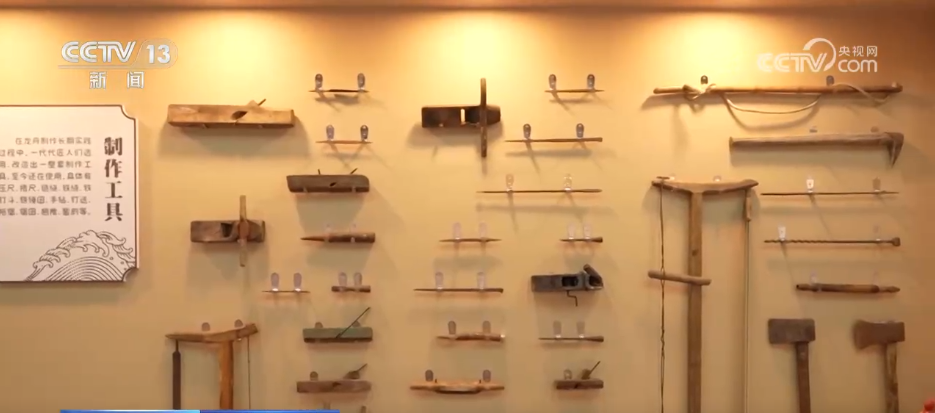
In the past two days, the Dragon Boat Theme Park located in Cangshan District, Fuzhou City has officially opened, welcoming visitors from all directions. Walking into the park, the 32-meter-long streamlined orange lintel is like a dragon boat, as well as 6 dragon boat head sculptures with different shapes, such as chickens, tigers, shrimps, etc., as well as road signs with willow leaf oars. Walking in the park, traditional Fuzhou dragon boat elements can be seen everywhere. This dragon boat-themed cultural exhibition hall displays the development history and production process of Fuzhou dragon boats in all aspects through physical objects, images and other forms, attracting many tourists to check in.
The Urashi River in Dragon Boat Park is the venue for traditional dragon boat racing in Fuzhou and enjoys the reputation of "Dragon Boat River". During holidays, unique dragon boat training or competitions are held here.
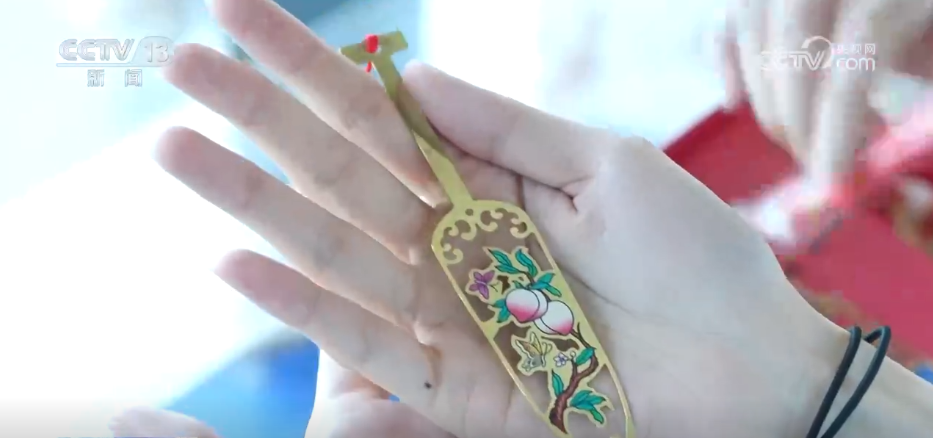
Relying on the dragon boat races that are visible almost every week, the local area also holds a variety of dragon boat "markets" to develop a series of dragon boat cultural and creative products, creative food, etc. The diverse consumption new scenarios and new products are popular among citizens and tourists. In addition, relying on the dragon boat culture and the developed inland water network, Fuzhou has also launched several inland water cruise routes, connecting multiple historical and cultural blocks and trendy business districts.
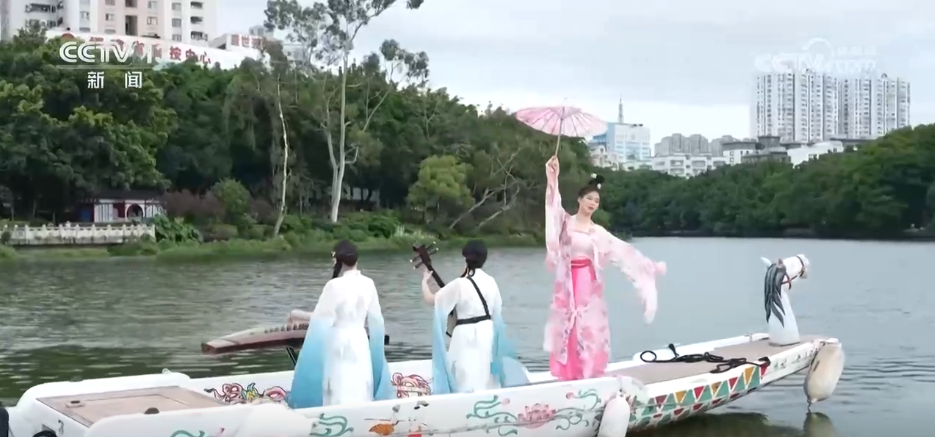
Where the dragon boat cruise passes, the blue waves spread out layers of green shadows, and the antique folk performances complement the lush greenery on both sides of the straits, bringing a beautiful sensory feast to citizens and tourists. According to statistics, in 2024, Fuzhou's inland river tourism received more than 380,000 tourists, becoming a new growth point for the local cultural and tourism economy.