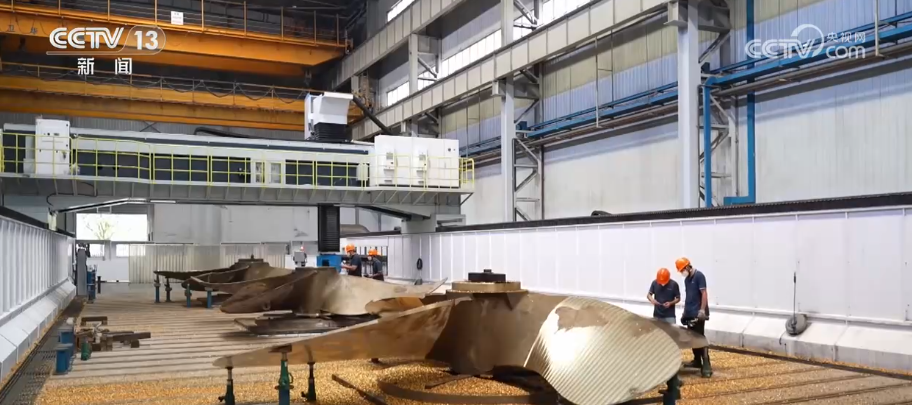
CCTV News: The People's Bank of China released April financial data on May 14. Data shows that the growth of total financial volume is both "stable" and "real", the growth of broad currency M2 has accelerated significantly, and the scale of social financing remains at a high level.
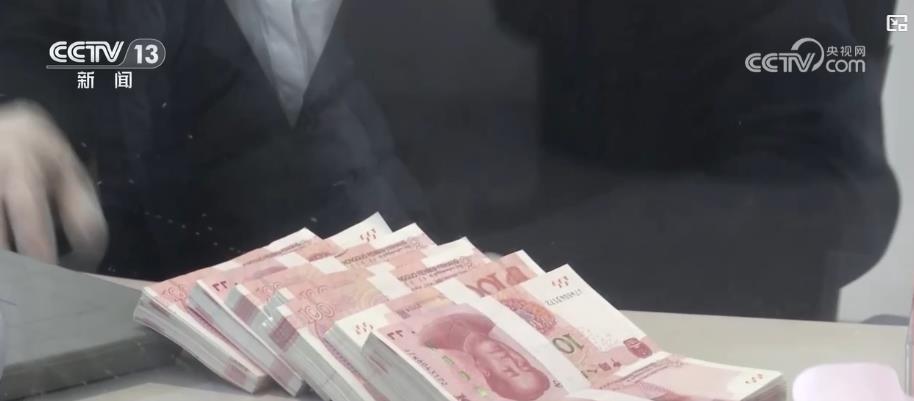
Data shows that the balance of broad currency M2 at the end of April was approximately 325 trillion yuan, an increase of 8.0% year-on-year, maintaining a high level. The stock of social financing is about 424 trillion yuan, an increase of 8.7% year-on-year. The growth rate of social financing has increased, and support for the real economy has increased.
Experts said that the acceleration of government bond issuance is the main driving factor.

Chief Researcher of China Merchants Union Dong Ximiao: Government bond issuance has accelerated significantly this year. Among them, the issuance of ultra-long-term special treasury bonds and special treasury bonds injected was launched in April, and the issuance of special refinancing bonds of local governments continued to advance. The net financing of that month was about 970 billion yuan, which boosted the growth rate of social financing by about 0.3 percentage points.
Chief Economist of Dongwu Securities Lu Zhe: This year's ultra-long-term special treasury bonds were issued one month earlier than last year, and loans have become the main driving force for the growth of social financing scale; corporate bond financing growth is stable, and the role of the capital market in promoting the real economy is constantly increasing.

Experts said that this year, financial support is strong and bond issuance is fast, supporting the expansion of domestic demand and loose credit, and providing strong support for the scale of social financing.
Chief Researcher of China Merchants Union Dong Ximiao: Recently, the Ministry of Finance has also launched a 1.3 trillion yuan special treasury bond to support the "two new" and "two heavy". It is expected that the issuance of special treasury bonds will remain relatively fast in the future, promoting demand, boosting social confidence, and forming strong support for social financing.
The credit structure improved in April to support the transformation of the economic structure
Data shows that in April, inclusive small and micro loans and medium- and long-term loans in manufacturing increased by 11.9% and 8.5% year-on-year respectively, both higher than the growth rate of various loans during the same period. The credit structure continued to improve, supporting the transformation of the economic structure.
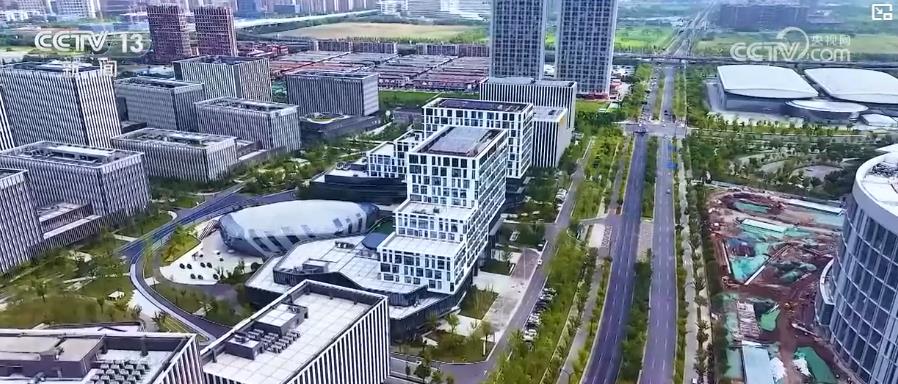
Data shows that the investment direction of my country's credit increment has changed significantly, driving the credit stock structure to be optimized.
From the perspective of enterprises and residents, from the beginning of 2021 to the present, the proportion of enterprise loans has increased from about 63% to about 68%, and the proportion of residents' loans has correspondingly dropped from about 37% to about 32%. Behind the rise and fall, it shows that more credit funds are invested in real enterprises, and the decline in residents' financing demand is also related to the more rational investment in house buying and investment.
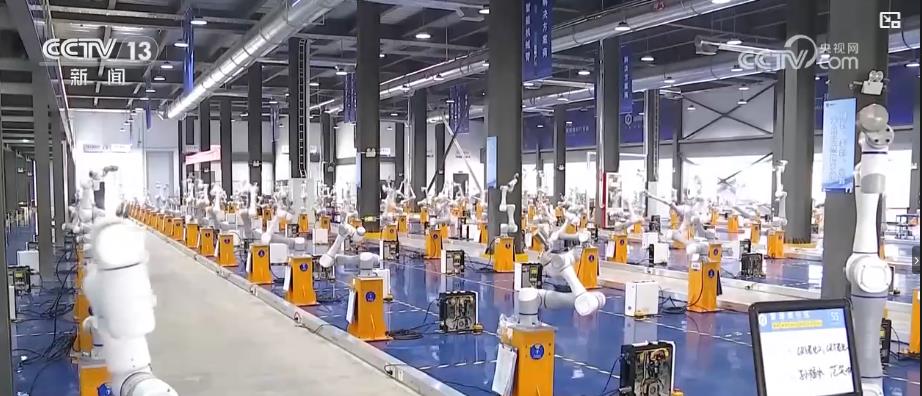
By enterprise type, from the beginning of 2021 to the present, the proportion of small and micro enterprises in all enterprise loans has increased from about 31% to about 38%, and the proportion of loans to large and medium-sized enterprises has dropped from about 69% to about 62%.
Chief Researcher of China Merchants Union Dong Ximiao: On the one hand, this is because inclusive small and micro loans have made significant efforts, and the help of enterprises and the people has achieved remarkable results; on the other hand, it is also related to the development of direct financing such as bonds and the diversification of financing for large enterprises in recent years. The development of the financial market continues to deepen, and the financing matching of different types of enterprises is also increasing.

In addition, from the perspective of industry investment, from the beginning of 2021 to the present, among all medium- and long-term loans, the proportion of manufacturing has increased from 5.1% to about 9.3%, the proportion of consumer industries has increased from 9.6% to about 11.2%, while the proportion of traditional real estate and construction industries has decreased from 15.9% to about 13%. Financial institutions invest more credit resources in the fields of manufacturing and technological innovation, and increase financial support for key consumer industries such as accommodation and catering, culture, sports and entertainment, education and training, and the proportion of loans in related industries has increased significantly.