
CCTV News: Starting from May 15, the People's Bank of China will lower the deposit reserve ratio of financial institutions by 0.5 percentage points, and lower the deposit reserve ratio of automobile finance companies and financial leasing companies by 5 percentage points.

People's Bank of China Governor Pan Gongsheng previously stated that the reserve requirement ratio cut provides about 1 trillion yuan in long-term liquidity to the financial market. By lowering the reserve requirement ratio, we can optimize the central bank's liquidity structure to the banking system, reduce the bank's liability costs, and enhance the stability of bank liabilities.
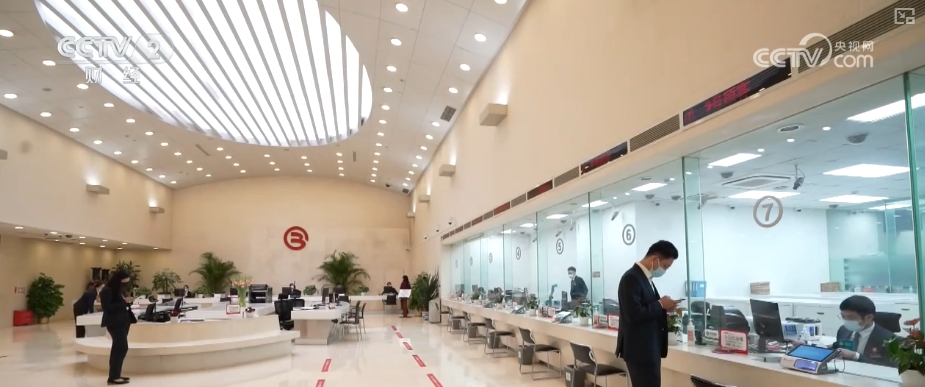
Wang Yifeng, deputy director of Everbright Securities Research Institute, introduced that after the reserve requirement ratio cut, the long-term stable funds of the banking system will be increased, and enterprises and residents will be encouraged to obtain loans at lower interest rates, promote expansion of domestic demand and stabilize investment. The reserve requirement ratio cut will also alleviate the pressure on bank liquidity management. After this round of reserve requirement ratio cuts, the deposit reserve ratio of large banks in my country is still at a high level overall, and there is plenty of policy space.

Dong Ximiao, chief researcher of the China Merchants Union, introduced that in order to maintain sufficient liquidity, the People's Bank of China's short-term liquidity issuance has carried out operations almost every day, and the operation scale is relatively large. At present, the contradiction in market liquidity is mainly structural. This cut in the reserve requirement ratio can increase the supply of long-term liquidity, appropriately reduce the rolling sequel of short-term liquidity tools, and optimize the maturity structure of market liquidity. The reduction in reserve requirement ratio also reduces the cost of banks' capital, weakens the motivation for banks to acquire high interest rates, and compresses the idle arbitrage space for non-bank institutions' funds.
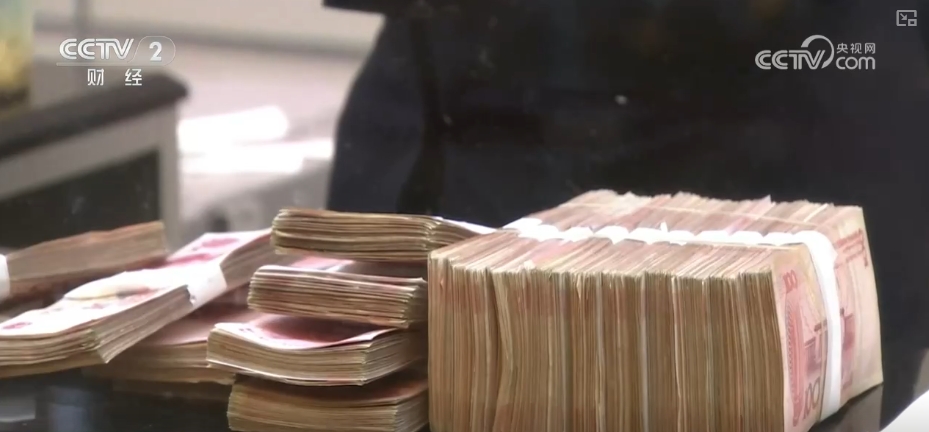
This reserve requirement ratio cut is divided into two parts. In addition to the reduction of the reserve requirement ratio for large and medium-sized banks, the other part is to improve the deposit reserve system of auto finance companies and financial leasing companies, and to phase down the deposit reserve ratio from the current 5% to 0%.
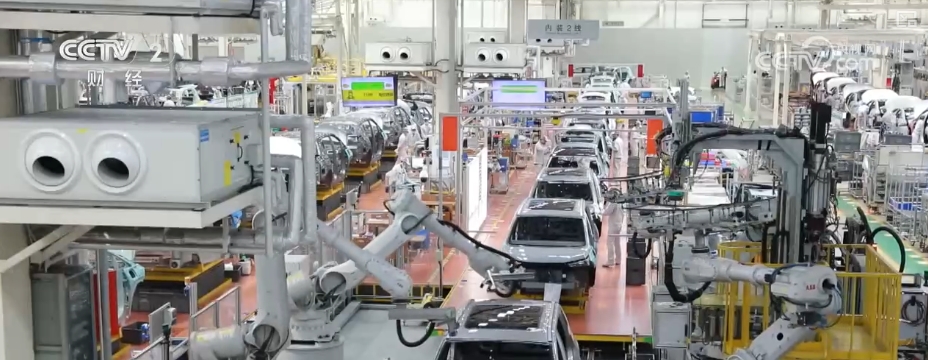
It is understood that auto finance companies and financial leasing companies do not belong to deposit financial institutions, do not absorb deposits from the public, and reserve accounts opened by the central bank cannot be used for liquidation. The significant reduction of reserve requirements for such institutions is an important measure to improve the deposit reserve system, which is conducive to reducing the debt costs of these institutions, improving debt stability, and enhancing the credit supply capacity in specific areas.