CCTV News: The traditional embroidery art Bian embroidery originated in the Northern Song Dynasty, also known as "Song embroidery", was developed on the basis of inheriting the embroidery of the Song Dynasty. Bian embroidery is famous for its exquisite embroidery skills, fine needlework and beautiful colors. It was selected as a national intangible cultural heritage in 2008.
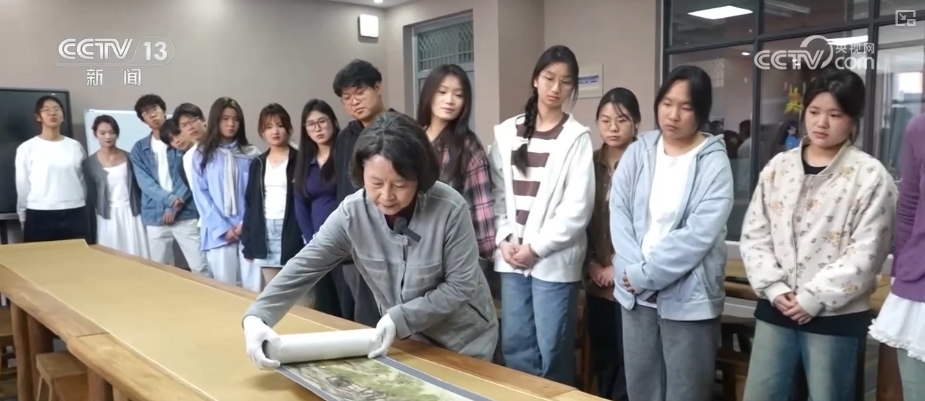
Every Tuesday afternoon, the Bian embroidery elective course offered by Henan Kaifeng Vocational College will attract the enthusiastic participation of many students. Miao Wei, the teacher and inheritor of Bian embroidery, taught the students the needlework and artistic charm of Bian embroidery’s representative work "Along the River During the Qingming Festival".
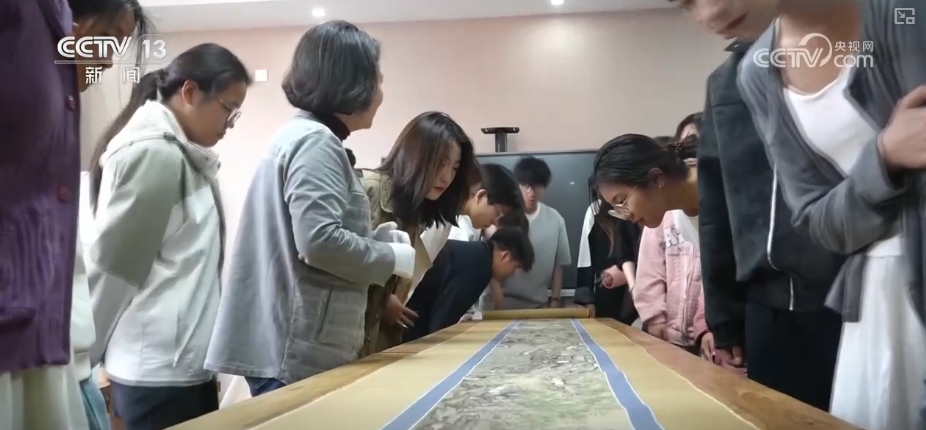
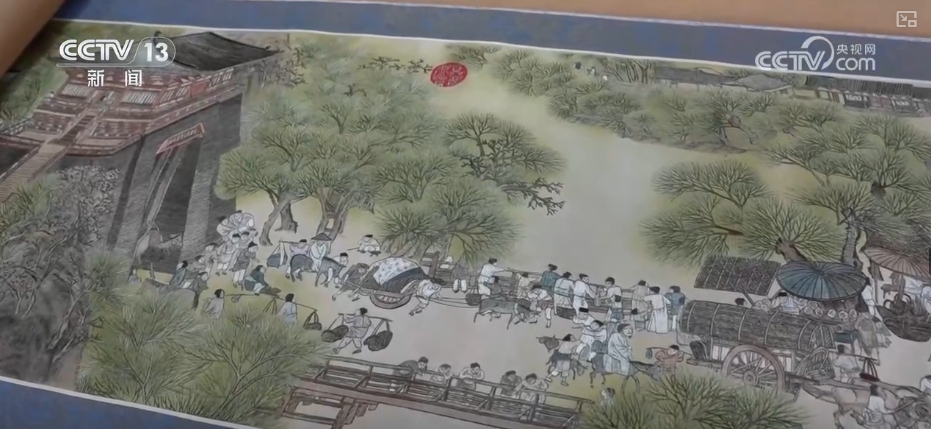
This Bian embroidery work is embroidered according to the length of 5.28 meters of the original work, and there are 18 stitches used. As the scroll slowly opened, the students seemed to have returned to the bustling and lively Song Dynasty. Painting art combines needle and thread language, copying more than 800 characters in the original work, as well as animals, ships, buildings, etc. on the long scroll of Bian embroidery art.
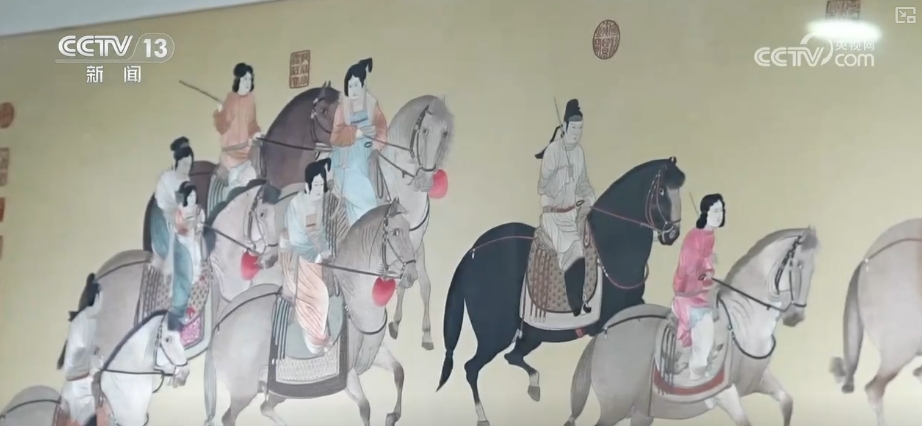
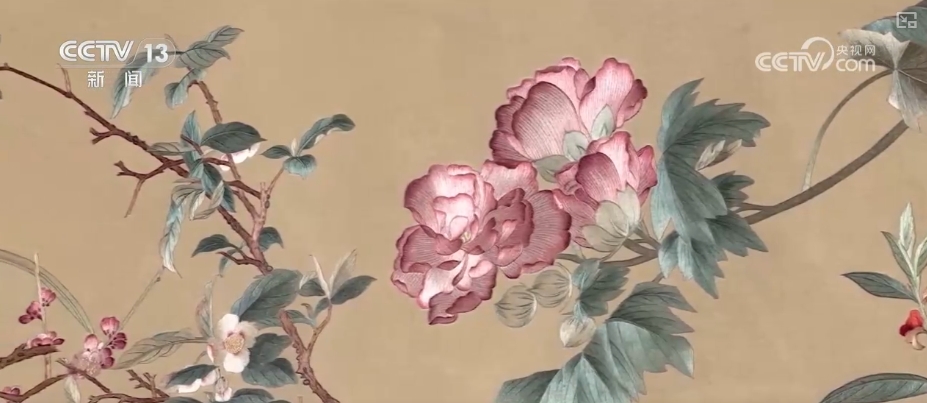
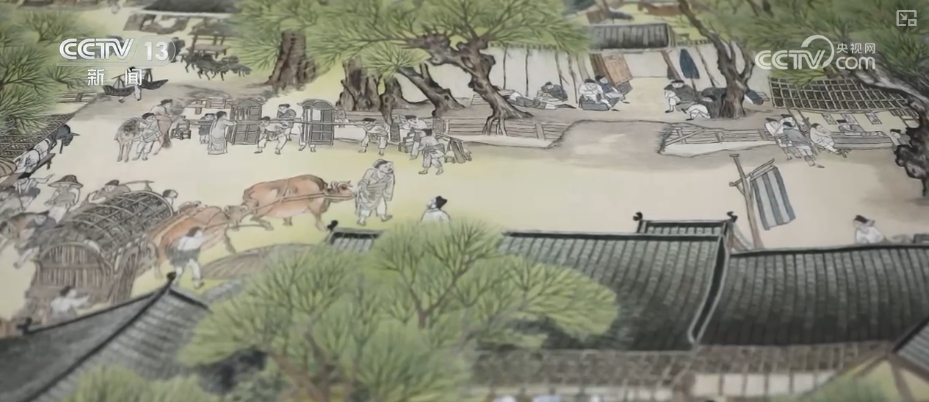
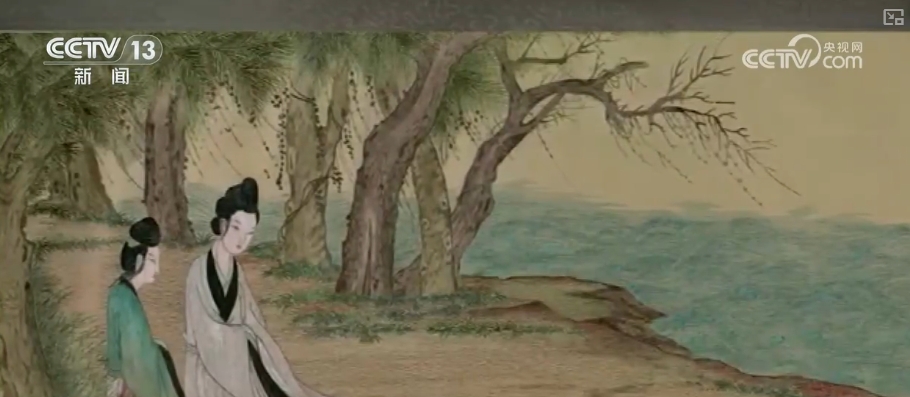
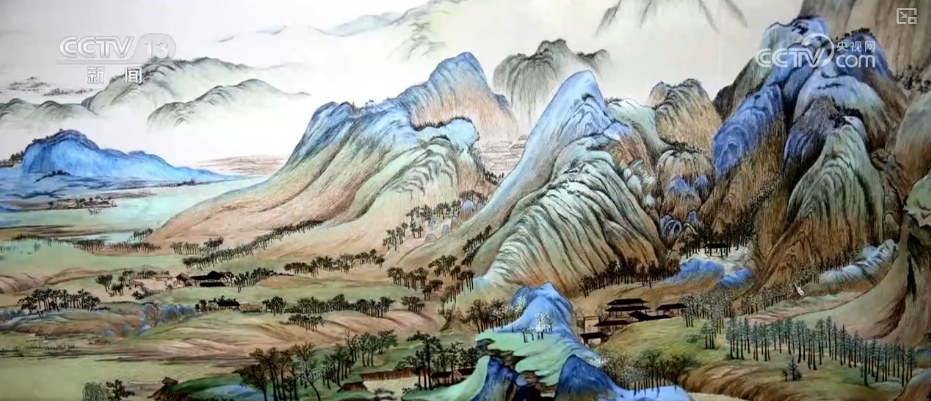
Bian Embroidery is good at embroidering famous calligraphy and painting works of all dynasties, mostly based on calligraphy, landscapes, flowers and birds, pavilions, and figures. Representative famous paintings include "Along the River During the Qingming Festival", "Nine Songs", and "A Hundred Horses". The Bian embroidery work "The Map of the Thousand Miles of Rivers and Mountains" uses a large area of needle embroidery, needle embroidery, and loose embroidery to reproduce the majesty and magnificence of the original work with rivers intertwined and smoked waves.
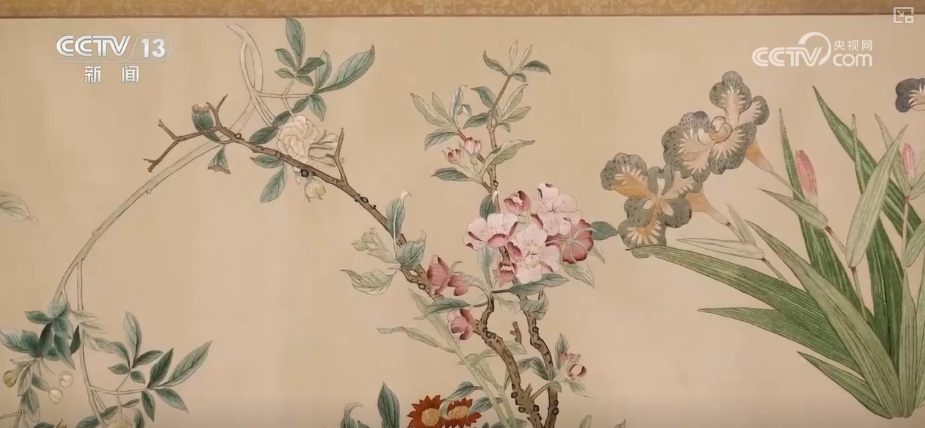
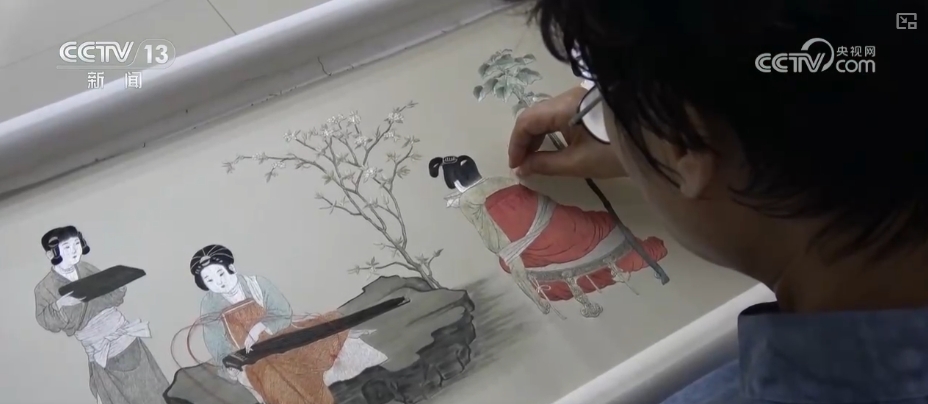
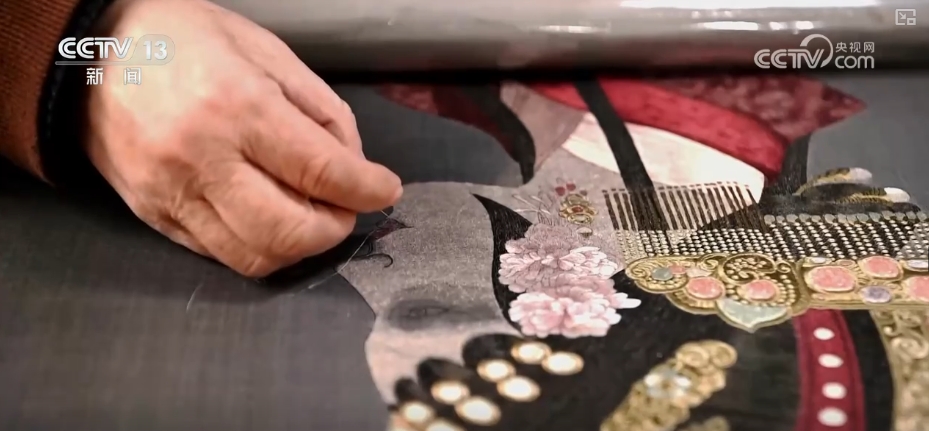
The base material of Bian embroidery is generally made of silk soft satin and silk yarn. To complete a Bian embroidery work, it is necessary to go through more than a dozen processes such as material selection, tying, tracing, wiring, embroidery, and sorting, among which the embroidery process is the most critical. After several generations of Bian embroidery inheritors, the Bian embroidery's needlework system has expanded from more than 20 to 40, greatly enriching the embroidery techniques of Bian embroidery.
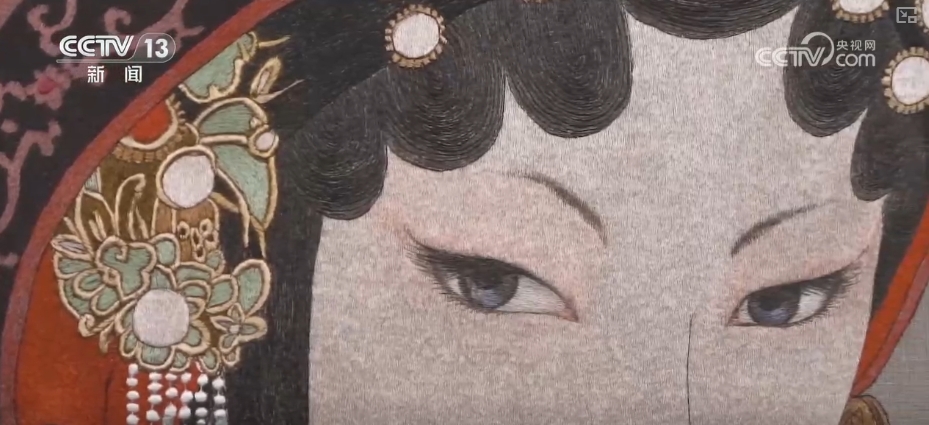
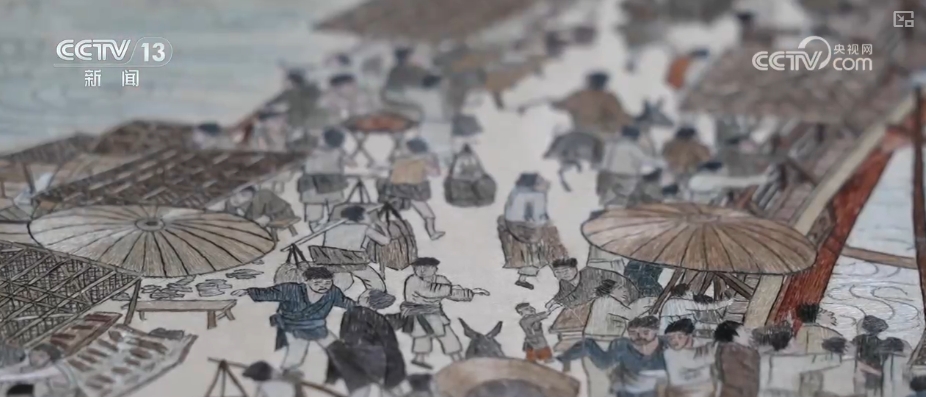
Cheng Manping, the representative inheritor of Bian embroidery, introduced that flat needle embroidery figures, embroidery of water surfaces, rolling needle embroidery of water patterns, seed-beating grains, and anti-wall embroidery of tiles. Generally speaking, as long as you concentrate on studying for about 3 years, you can fully master the needle technique of Bian embroidery. However, the most difficult thing is how to apply acupuncture to the work to make the work more three-dimensional and realistic.
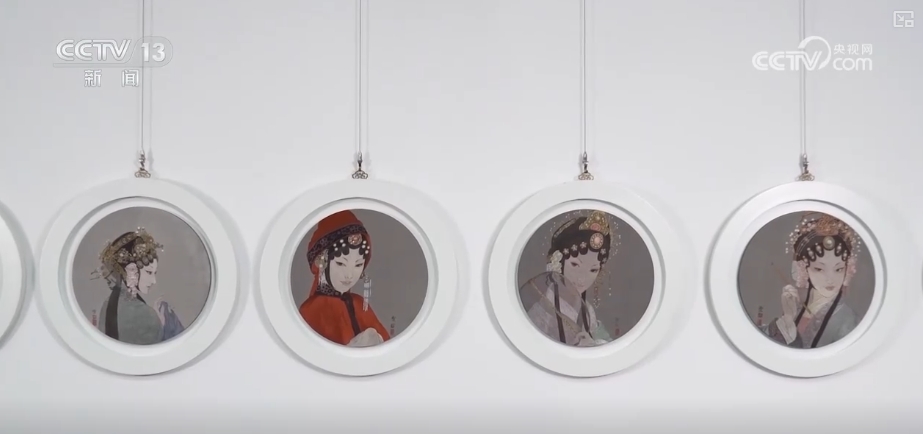
In recent years, Bian Xi has sought innovation in inheritance and maintained inheritance in innovation. Young creators are exploring the combination of Bian embroidery with contemporary art and life, creating more possibilities for Bian embroidery to interpret in modern public spaces.
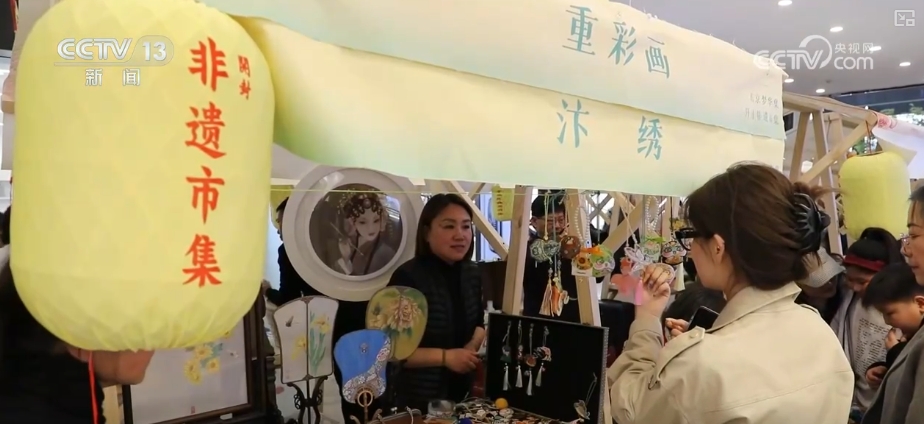
In addition, a series of measures such as the establishment of the National Intangible Cultural Heritage Productive Protection Demonstration Base, the establishment of Bian embroidery majors in local universities, and the holding of Bian embroidery display and experience activities such as intangible cultural heritage markets have given Bian embroidery new vitality and vitality.
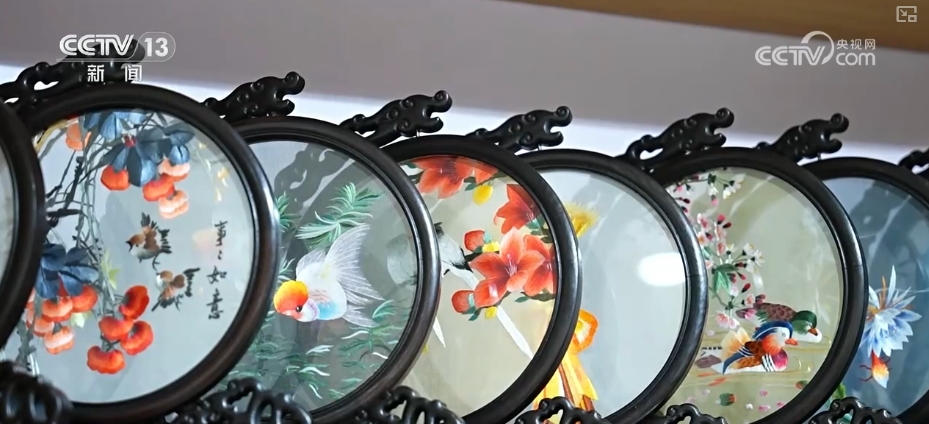
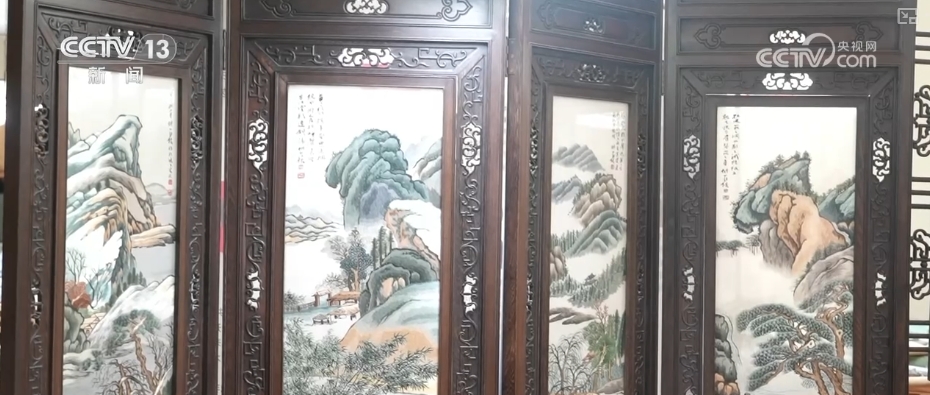
Wang Shuyuan, director of the Kaifeng Bian Embroidery Research Institute in Henan, introduced that they will accelerate the construction of the Bian Embroidery Museum, build the Kaifeng Bian Embroidery Park, and develop cultural and creative products suitable for all types of consumer groups, so that Bian Embroidery can enter the lives of ordinary people.