CCTV News: As the holiday approaches, the Traffic Administration of the Ministry of Public Security conducted analyses on the road traffic safety situation during the May Day holiday and issued a traffic safety reminder.
Li Zhe, director of the Accident Prevention and Handling Guidance Department of the Traffic Management Bureau of the Ministry of Public Security, introduced that some tourist cities, some popular Internet celebrity cities, as well as urban agglomerations such as the Yangtze River Delta, Pearl River Delta, Beijing-Tianjin-Hebei, and Chengdu-Chongqing will experience a peak in travel.
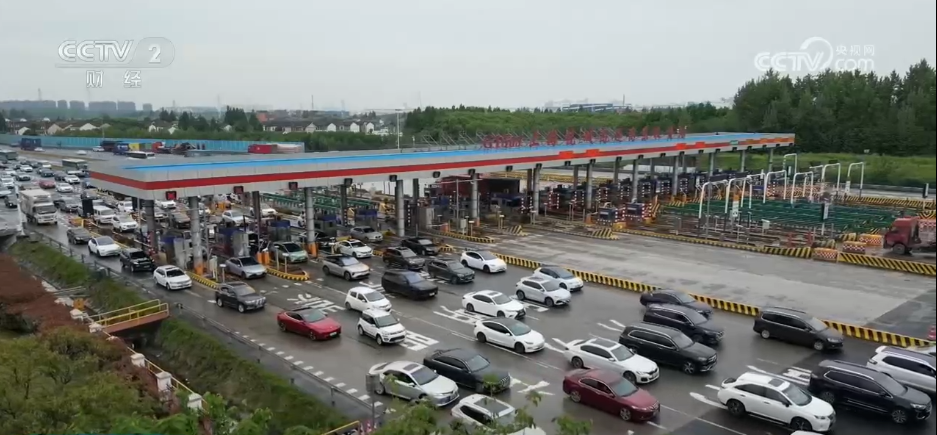
Judging from the accident situation in the past three years, traffic accidents for people traveling during holidays have been significantly higher than usual, among which the proportion of passenger cars in different places has increased year by year. Common types of accidents during the holidays are mainly rear-end collisions and lateral scratches. These accidents often occupy the lane. The accidents will intensify traffic congestion and even cause secondary traffic accidents.
The five aspects of road traffic during the May Day holiday are more prominent:
1. The traffic safety risks are prominent when traveling in concentrated travel. The May Day holiday is long, and the demand for medium- and long-distance travel and returning home to visit relatives is high, and the safety risks of tourism passenger transport and self-driving travel have increased. Judging from the accident situation in the past three years, traffic accidents for travelers during holidays have been significantly higher than usual, and the proportion of passenger cars in different places has increased year by year.
Secondly, highway traffic safety risks are prominent. During the May Day holiday, highways are free to pass, traffic flow has increased significantly, road sections around big cities are prone to congestion, and traffic may also flow backflow in service areas, entrances and exits and other parts. Fatigue driving and not maintaining a safe driving distance are high.
Third, the traffic safety risks of roads around the scenic spot are prominent. Hot scenic spots, internet celebrity check-in points, and business districts are overloaded, parking is difficult, and people and vehicles are mixed. Especially some scenic spots are located in mountainous areas and rural areas. The inlet and exit passages are narrow in width, poor lighting, and many sharp bends and steep slopes, so the risk of accidents is higher.
Fourth, the interweaving traffic safety risks of passenger and freight transportation in rural areas are prominent. The surge in highway traffic has prompted some logistics and transportation to ordinary national and provincial trunk roads. It coincides with the increase in travel of people returning home during the holidays, concentrated work and farming activities, and the traffic environment in rural areas is more complex, and the risk of traffic accidents such as speeding and strong traffic accidents is high.
Fifth, local traffic safety risks are prominent in rainy days. According to the meteorological department, strong winds in the northern region cool down sandstorms during the holidays, and strong thunderstorms in the southern region will have adverse effects on local transportation and traffic safety.
The Traffic Administration of the Ministry of Public Security reminds: When traveling by yourself during holidays, you should pay attention to weather forecasts and road conditions in advance, plan your travel time and route reasonably, and try to avoid peak travel and bad weather. When driving, you should concentrate, drive without being distracted, drive without speeding, and drive without fatigue. If you slow down in rainy days, you should slow down. When driving a vehicle with assisted driving function, you should still focus on driving and not "scan your hands and eyes". Remember "don't drive after drinking, don't drink when driving."
When driving on highways, keep a safe distance at all times. Do not intersperse at will when encountering congestion or slow-moving sections. Do not occupy emergency lanes. If a traffic accident or failure occurs, you must "get the car back and evacuate, and call the police immediately." When you are approaching the exit of the expressway, you should pay attention to the signs and drive to the right in advance. Do not brake suddenly, stop suddenly, change lanes or reversing at the exit.
Driving to the mountainous area of the scenic area, passing through sharp bends, long downhills, and on the water and cliff sections, you should slow down and slow down. When passing through rural and mountainous highways, you should pay attention to vehicles and pedestrians on both sides of the road. There are many traffic on the roads around the scenic area, so you should pay attention to avoiding pedestrians and parking regularly.
When traveling in passenger vehicles, do not take "black cars" outside the station to buy passengers and buy groups, overloaded passenger cars or non-passenger vehicles. Fasten your seat belt when riding, and take the initiative to report illegal behaviors.