CCTV News: Currently, some new space science experiments are being carried out in China's space station. Among them, a group of mysterious experimental samples was sent to the spacecraft by staff 6.5 hours before the launch of Shenzhou 20. What kind of experimental samples are these? CCTV reporters from the Central Station conducted exclusive interviews with relevant experts, and let us reveal the answers together.
This is a test sample loading drill conducted by ground scientific researchers before the launch of the Shenzhou 20 spacecraft. The simulation transports samples from the new experimental project following the spacecraft to the space station.
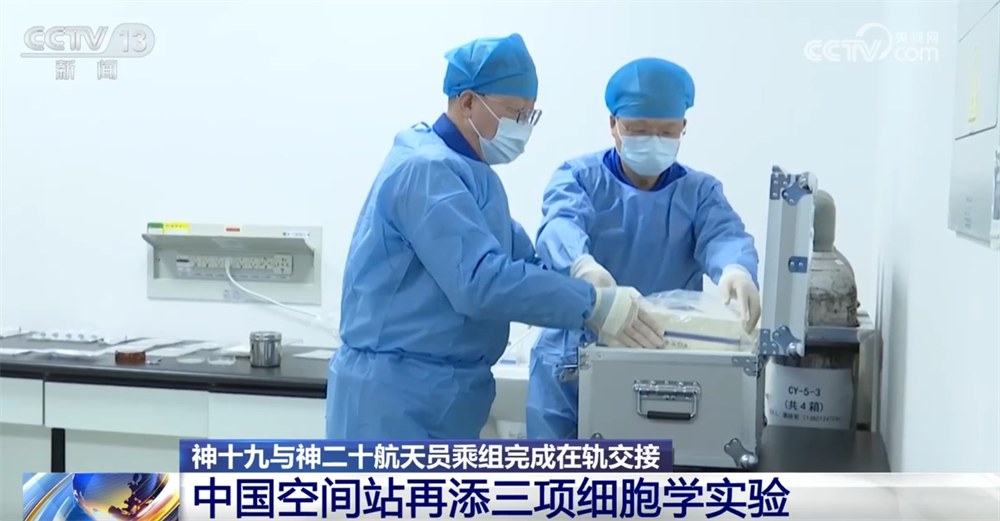
Li Yinghui from the China Astronauts Research and Training Center said: "These are three types of cells carried by Shenzhou 20. For cells, we finally load the ship to give it the most suitable and suitable environmental conditions. So in this process, we keep the cells in dormant state as much as possible, so that they respond relatively little to the environment, and then enter orbit. There is a special cell incubator in the experimental cabinet of aerospace medicine, and the environment is 37 degrees Celsius, so we activate the cells."
Cytology has always been an important part of my country's aerospace medical experiments. It mainly focuses on the impact of the space environment on cells and the response characteristics and laws of cells. So, what kind of life code will these three cells "new" in the space station reveal?
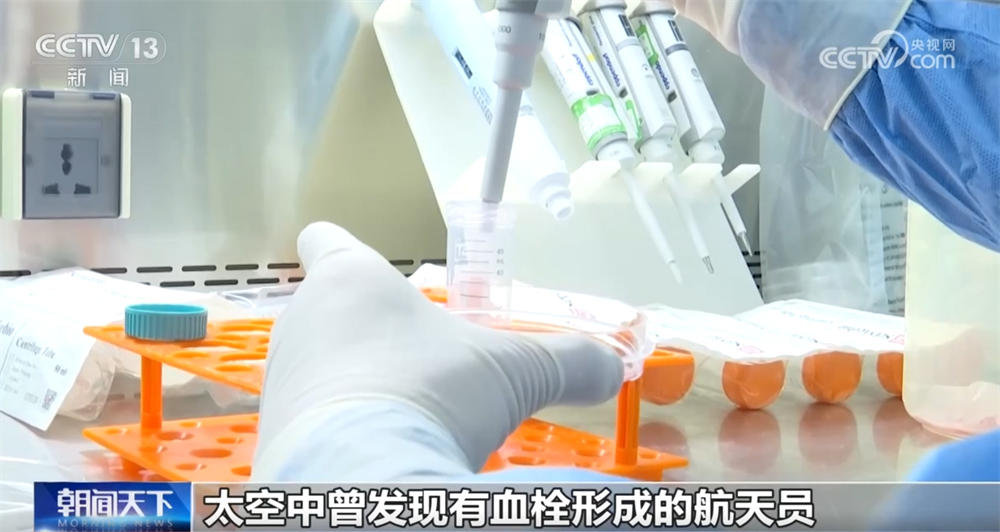
Li Yinghui said: "Astronauts with thrombosis were found in space. So we aimed at the mechanism of thrombosis and chose to cultivate two cells, cardiomyocytes and endothelial cells, to see the interaction between cells under such weightless conditions. Another type of experiment is the first time in the world. The three brain regions' cortex, thalamus and cerebellum are combined into a three-brain brain body for co-culture. In order to study the interaction between cells from the perspective of motor ability under weightless conditions. Another thing is that we have screened from the classic clinical formulas in traditional medicine. By regulating nerve cells, we hope to see whether it can have a better effect in improving memory."
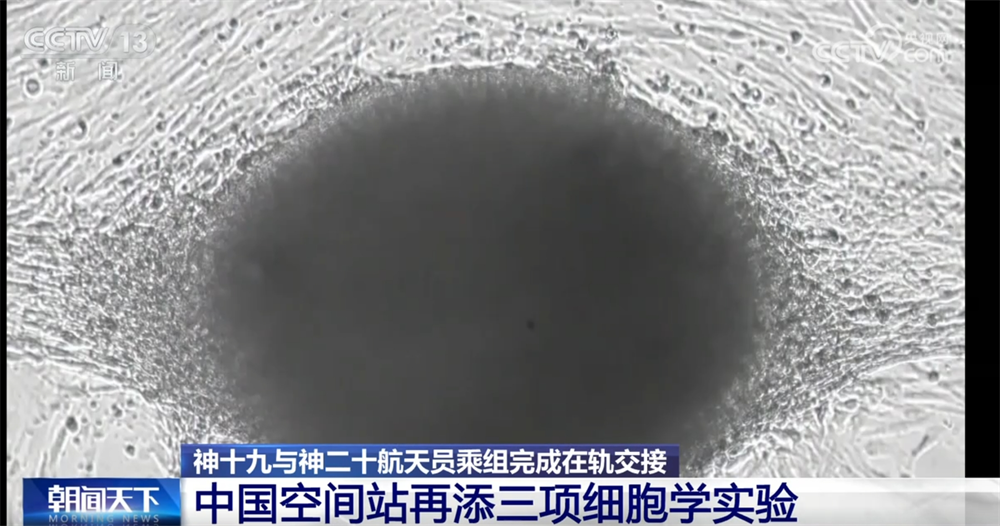
Previously, my country has sent 19 types of cells and artificial vascular chips such as human pluripotent stem cells, skin stem cells, osteoblasts, human skeletal muscle satellite cells to space. A total of 22 cytology experimental studies have been carried out in orbit, and a series of innovative results have been achieved from in-orbit experimental technology, experimental models and scientific research. Some achievements have served public health and provided a research platform for exploring health problems such as human osteoporosis, muscular atrophy, cardiovascular function decline, and cognitive function decline. Experts introduced that the three newly added cytology studies on the space station are also of great significance to serve the health of the public.