Pearl River Delta, Guangdong-Hong Kong-Macao Greater Bay Area, Hong Kong, Shenzhen, Zhanjiang... These place names with their own "water vapor" are easy to think that there is no shortage of water here. Indeed, the Pearl River Delta Plain is vast and the rivers are intertwined. Guangdong also ranks first in the country in annual rainfall.
But in fact, Guangdong began to continuously build cross-basin water diversion projects 60 years ago, and it has not stopped yet.
Why does an area with seemingly abundant water resources still "scream"?
The problem is that the temporal and spatial distribution of water resources is extremely uneven. 80% of the rainfall in Lingnan area is concentrated in the flood season, with sparse precipitation in the dry season in winter and spring, making it very easy to drought. For example, in Hong Kong, water sources mainly rely on rainfall and a small amount of groundwater, and have been trapped in "water shortage" many times in history.
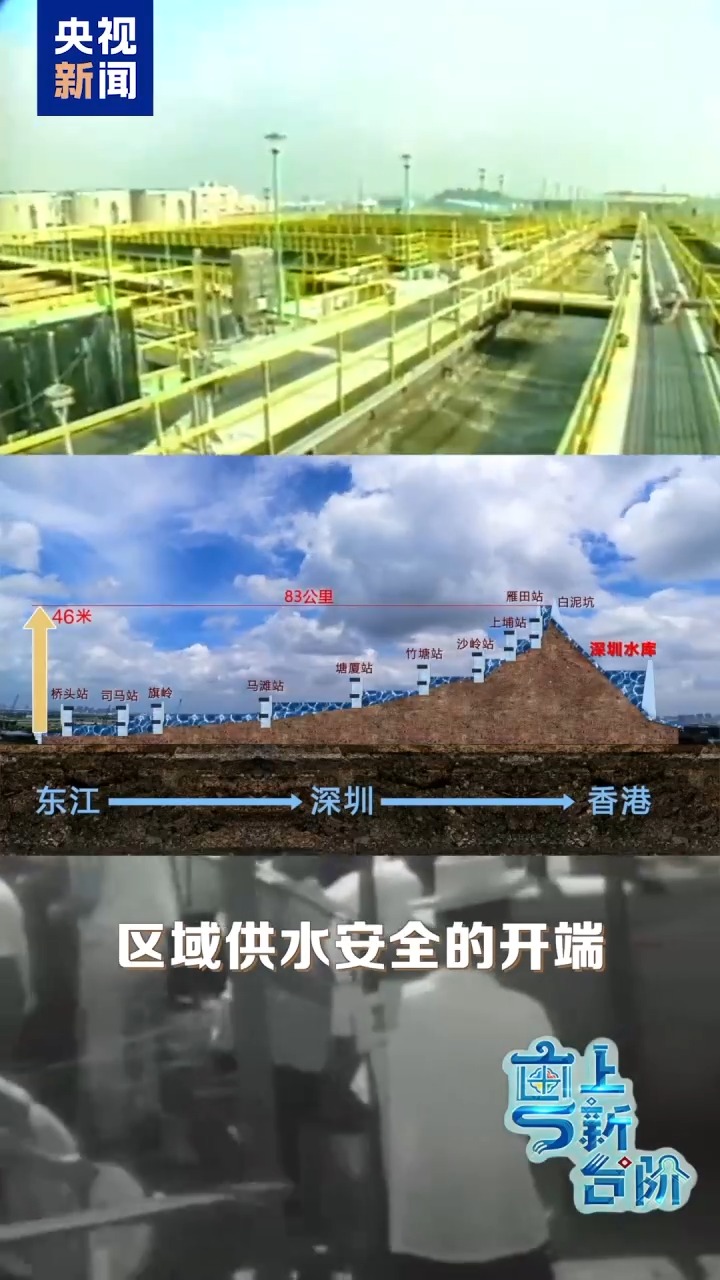
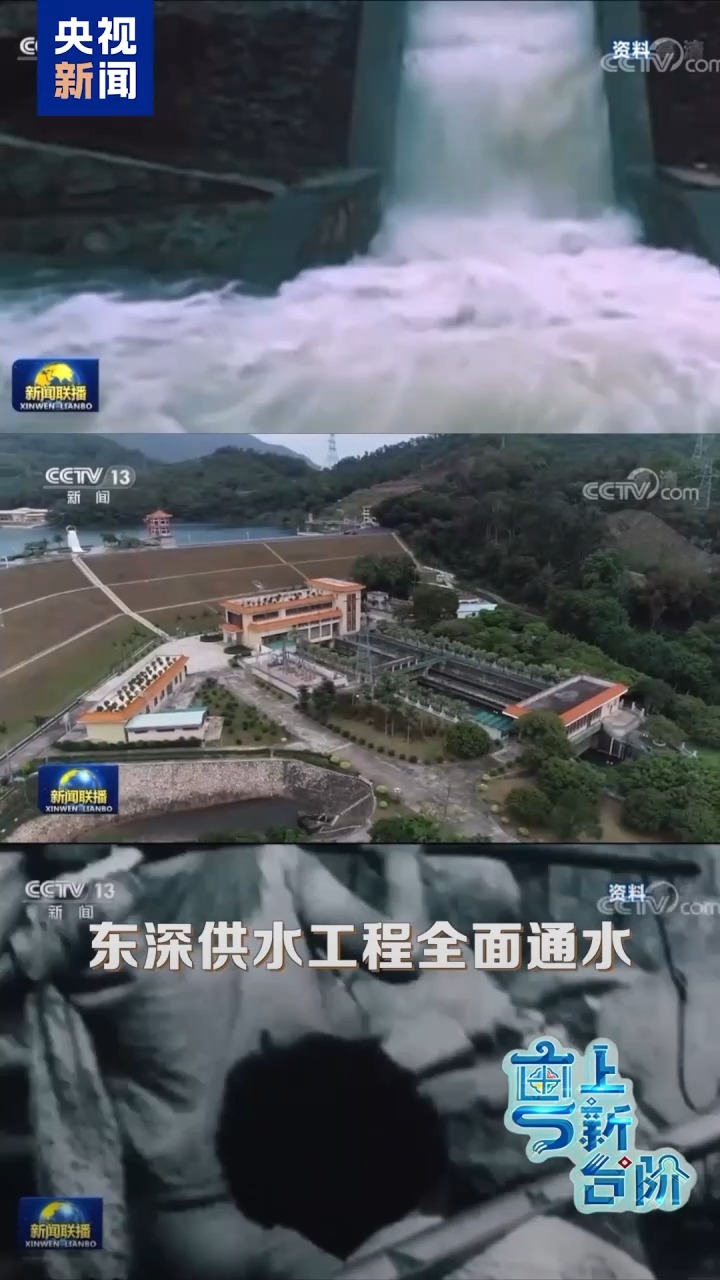
It is precisely because of this that the Dongshen Water Supply Project, which was built in 1964, achieved the feat of "rewinding" the Dongjiang River water to support Hong Kong. This largest cross-regional water diversion project in the country at that time became the beginning of ensuring regional water supply safety.
Today, water shortage comes more from the "thirst for development". With the rapid agglomeration of population and industries, the demand for water use has increased sharply. The Dongjiang River Basin accounts for only 18% of Guangdong's water resources, but it must support 31% of the population's water use and nearly half of the total economic output. Shenzhen’s per capita water resources are only 121 cubic meters, which is 1/17 of the national average, and more than 85% are maintained by the Dongjiang water. Ruhuadu, Baiyun and other places in northern Guangzhou are also facing the problem of water tightness.
When "on-site water withdrawal" is unsustainable, a new cross-regional water diversion project emerged.
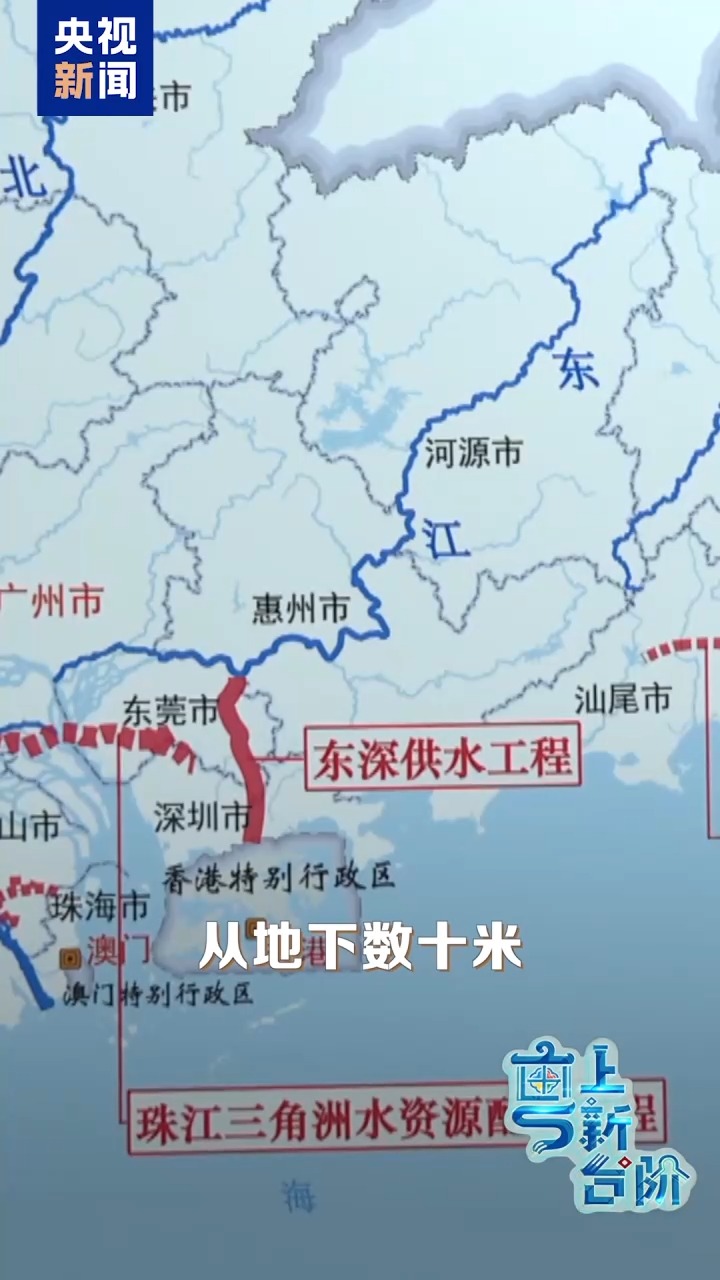
The Pearl River Delta water resource allocation project has been opened, and the Xijiang River water has been transported from dozens of meters underground to Guangzhou Nansha, Shenzhen and Hong Kong, completing the "West Water and East Ji". The Beijiang Water Diversion Project "quenches thirst" in northern Guangzhou. Zhanjiang, Maoming and other places in western Guangdong will also attract live water from the Xijiang River through the Guangdong Water Resources Project around the Beibu Gulf.
The laying of these new "water veins" not only solves water shortage, but also carries Guangdong's far-reaching layout in industrial planning, population layout, and regional coordination. Nowadays, a "five vertical and five horizontal" Greater Bay Area water network skeleton is being formed at a faster pace, covering 16 cities in the province and serving more than 76 million people.
When clear springs rush in, it is a lifeline that passes through mountains and rivers, and it is also a new Long March that is still constantly digging and reshaping mountains and rivers.
(Reporters from General Station Liu Fan, Lin Minghao, Zhang Qi)