CCTV News: According to the Ministry of Agriculture and Rural Affairs, since last autumn and winter planting, the temperature in the main wheat producing areas in my country has been higher than usual, which has had a certain impact on the growth of winter wheat. Experts said that warm winter has different impacts on wheat in different sowing periods, and the main production areas need to respond in a classified manner.
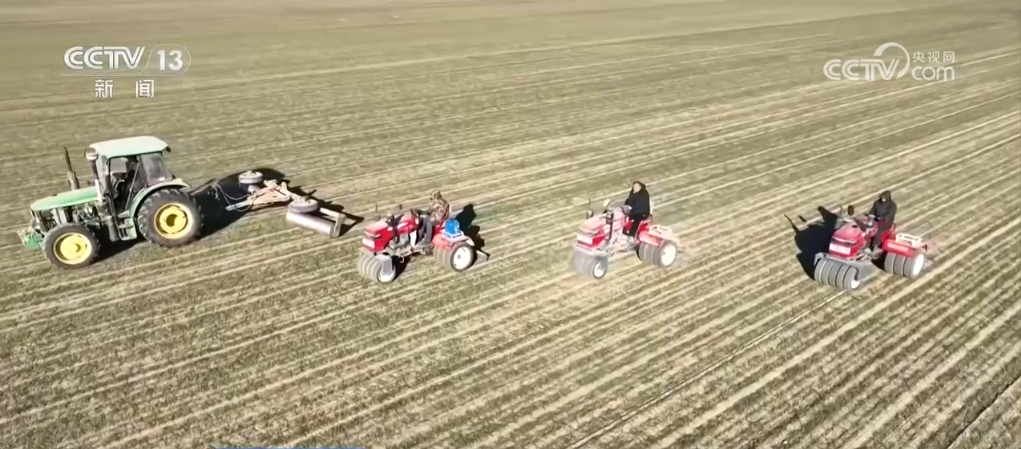
In the wheat fields in Wei County, Hebei Province, farmers are driving agricultural machinery to carry out suppression operations, using machines to compact wheat seedlings and soil to prevent wheat from growing too fast.
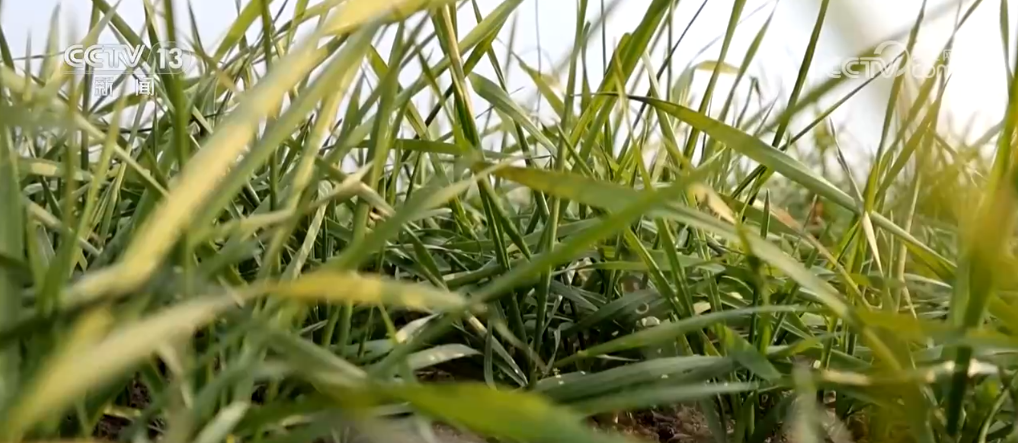
Wang Chong, a large grain grower in Wei County, Xingtai City, Hebei Province, said that the temperature is currently high, and there have been several rains before sowing, which has caused the seedlings to be more prosperous this year and there are many tillers.
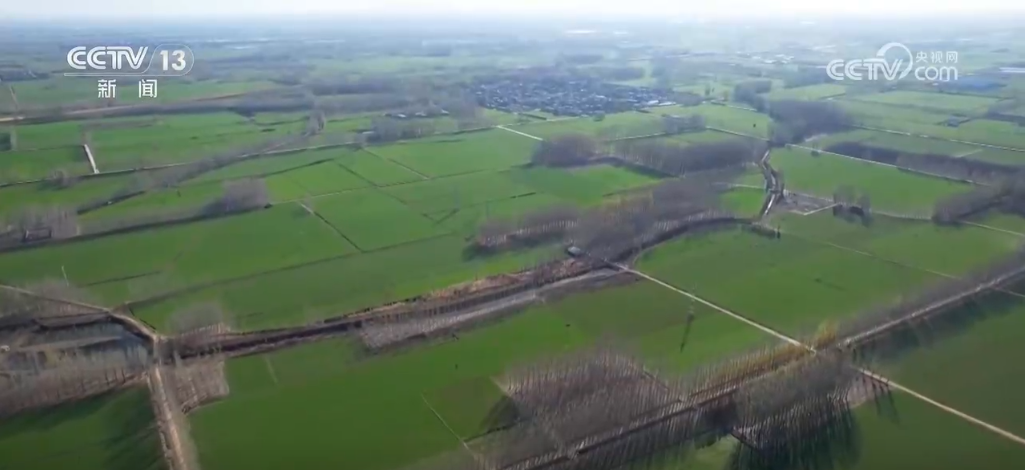
Experts said that for wheat sown in appropriate periods, high temperatures may lead to the phenomenon of wheat growing strongly, and wheat growth too fast will increase the risk of frost damage when it encounters late spring cold in the later stage, affecting yield and quality. Therefore, comprehensive measures should be taken in a timely manner to ensure the steady growth of wheat.
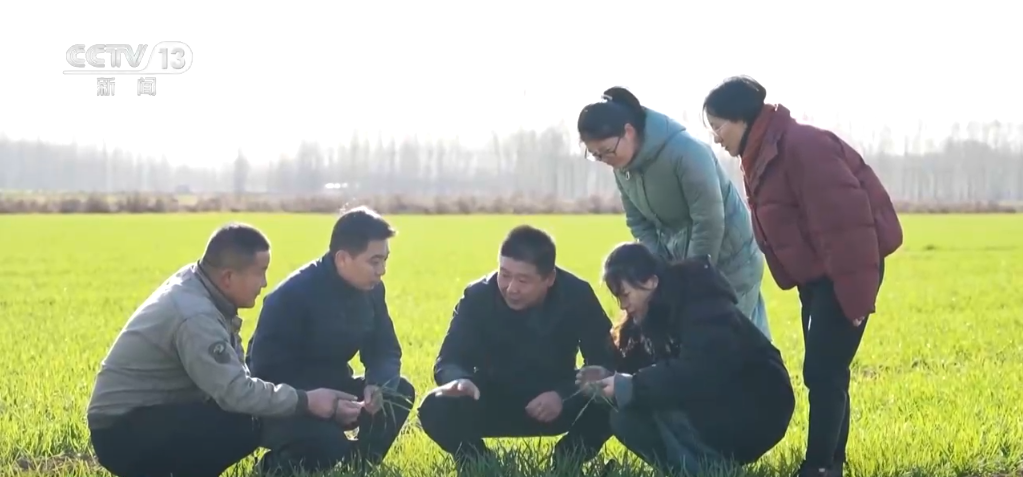
Zhang Zonghuan, a researcher in agricultural technology promotion in Hebei Province, introduced that suppression is mainly to control long-term growth, and in addition, where the soil in the plot is relatively loose, it is necessary to suppress it. The greening will begin to return to the greening in mid-February. After the greening, the fertilization and watering will be carried out according to the soil moisture and seedling conditions.
For wheat with late sowing period, high temperatures can make up for the accumulated temperature required for wheat growth before winter, accelerate the accumulation of material in late sowing wheat, and help promote the transformation of seedlings and improve the cold resistance in the later stage.
The Ministry of Agriculture and Rural Affairs stated that in view of the different types of wheat seedlings in the main producing areas, localities should implement policies based on seedlings and strengthen field management. In addition, since the beginning of winter, the national temperature has generally been higher than the same period in the previous year. The northern region has not encountered large-scale cloudy days, which is more beneficial to the winter production of facility vegetables. However, there may still be phased low temperature, rain, snow and freezing weather in some areas, and response plans need to be made.