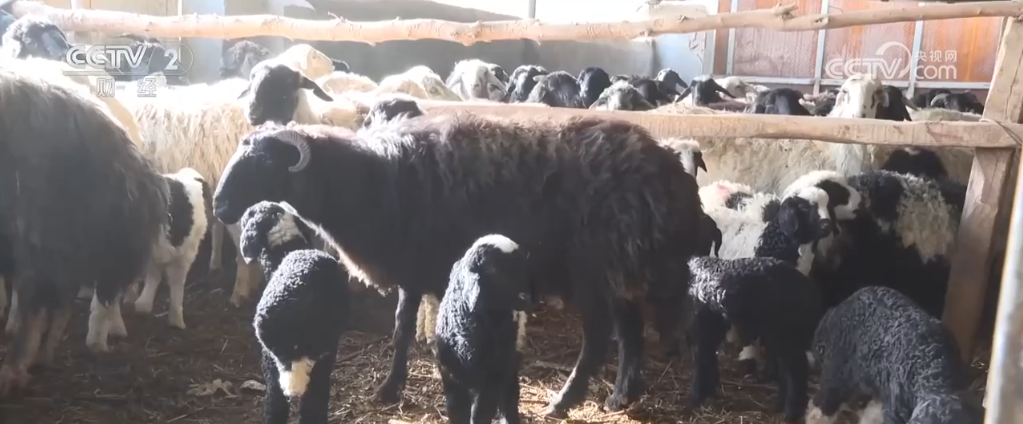
CCTV News: Now is the critical period for animal husbandry to take care of lambs. Many places in Inner Mongolia and Xinjiang have entered the lamb care period for cattle and sheep. The busy figures of herders can be seen everywhere, and the newborn calves and lambs make the grasslands and pastoral areas full of vitality.
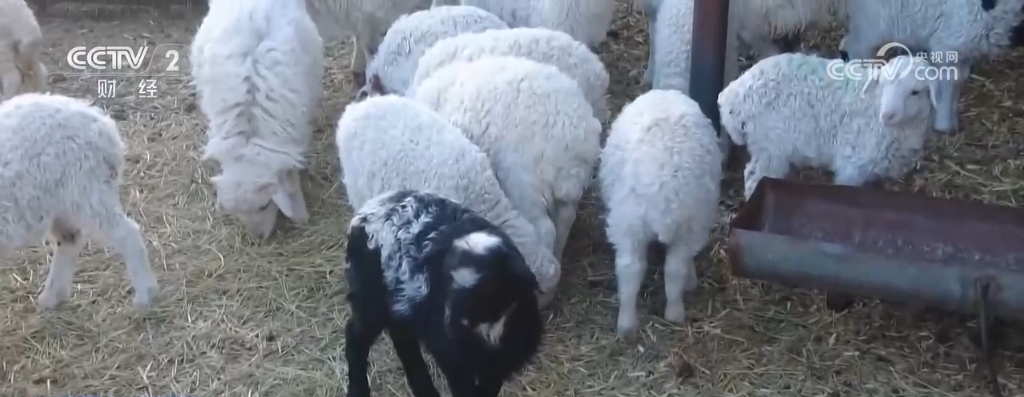
The early spring season is still cold. The herdsman of Zhalut Banner, Tongliao City, Inner Mongolia is warm in the shed of Bala's family. He is busy adding "nutritional meals" to lamb-producing ewes. Bala told reporters that his house has built a spacious and bright standardized sheep house, and has prepared enough forage and fodder to prepare for the lamb collection. Similarly, the more than 50 Symental cattle raised by herder Geri Lemandula has successfully received more than 30 calves. Local epidemic prevention personnel will visit his home regularly to check the growth of new livestock.
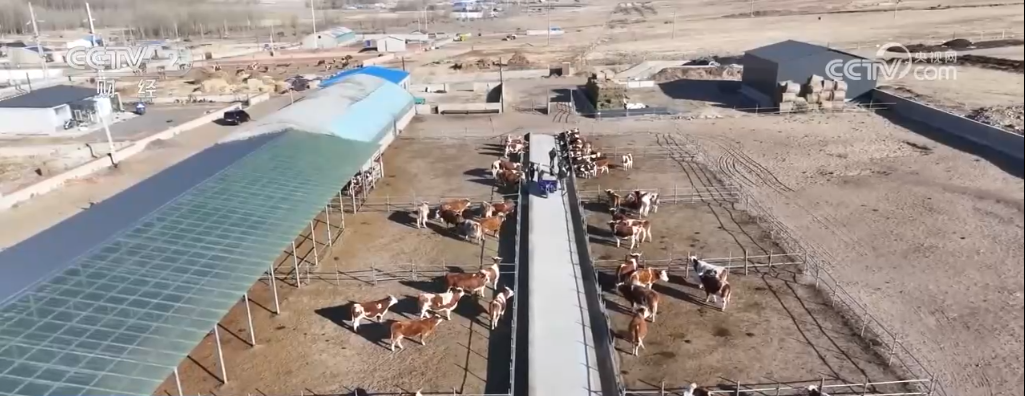
In Tumushuke City, Xinjiang, more than 400,000 ewes have also entered the lamb care period. Staff at the animal husbandry and veterinary station in the breeding base are using a portable B-ultrasound instrument to check for pregnant ewes. Farmer Abnumiti Kurban said: "Now we have 300 sheep in our family, and 200 ewes gave birth to 100 lambs, and the lambs are very good."
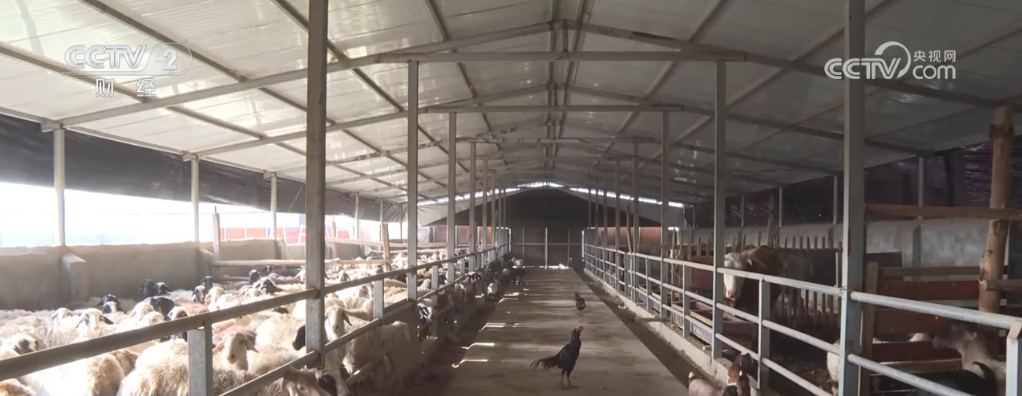
Spring is the peak period for livestock epidemics. The local animal husbandry department also guides herders to vaccinate ewes for common epidemics such as foot-and-mouth disease. At present, more than 400,000 ewes have lambed in Tumushuke City, Xinjiang, with a survival rate of more than 90%. It is expected that spring lambing work will be completed by the end of March.