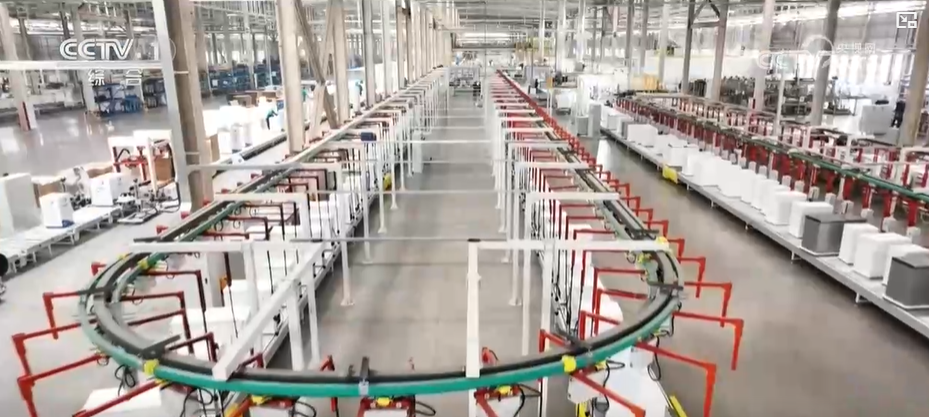
CCTV News: Massive public data are the "rich mine" for development and utilization. On February 18, the National Data Administration announced that it would launch a new batch of 20 "public data application demonstration scenarios". Simply put, it is to find different scenarios in multiple fields such as transportation, medical care, and convenient services, and explore how to provide and use public data resources to facilitate daily life and work. How does public data serve life? Let's pay attention together.
Digital intelligence "can calculate and calculate" to give the "green light all the way" to travel
We first go to Wenzhou, Zhejiang to see how to use big data to achieve the "green light all the way" on the road to driving.
At 8 a.m., taxi driver Ren ushered in the busiest time of the day. During such a distance of more than 10 kilometers, the car passed by 8 traffic intersections, and 6 were all green lights. Master Ren found that as long as you follow the navigation, the probability of encountering a green light is very high.
Such seemingly unintentional changes are actually an exploration from the field of public data. Since last year, local governments have tried to collect and standardize public data from public security, transportation, meteorological and other departments, and authorize them to enterprises in the transportation field for use.

Zhang Yun, a digital intelligence green wave engineer at Zhejiang Yuntong Shuda Technology Co., Ltd., said: "We can process 70 to 80 million pieces of data every day. By cleaning and managing these data, we leave the data we want, remove unwanted data, and accurately analyze the vehicle speed of the intersection, the steering ratio in each direction, and the parking situation, and generate a portrait of the intersection."
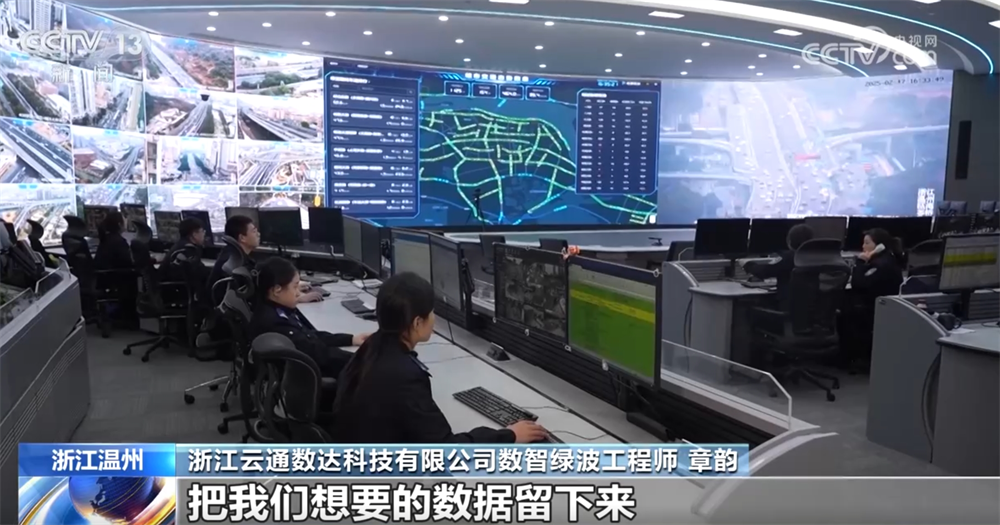
With the intersection portrait, the relevant departments can dynamically optimize the time difference between the signal lights starting at each intersection on the road, so that the vehicle can "just" encounter a green light when driving to the intersection at the set speed. Starting from the transportation field, Wenzhou will also expand the scope of public data development and utilization this year and explore more application scenarios.
Nanchang, Jiangxi: Smart medical system to improve the medical experience of patients
The medical and health field is one of the areas with rapid progress in the development and utilization of public data resources and great potential. What role can invisible and invisible data play in the process of ordinary people's medical treatment? Let's go and have a look together.
In this health center in Nanchang, the reporter saw that after entering the patient's identity information, the relevant treatment plans and common disease drugs can be automatically matched. After the doctor confirms, the diagnosis and treatment can be completed in just over ten seconds.
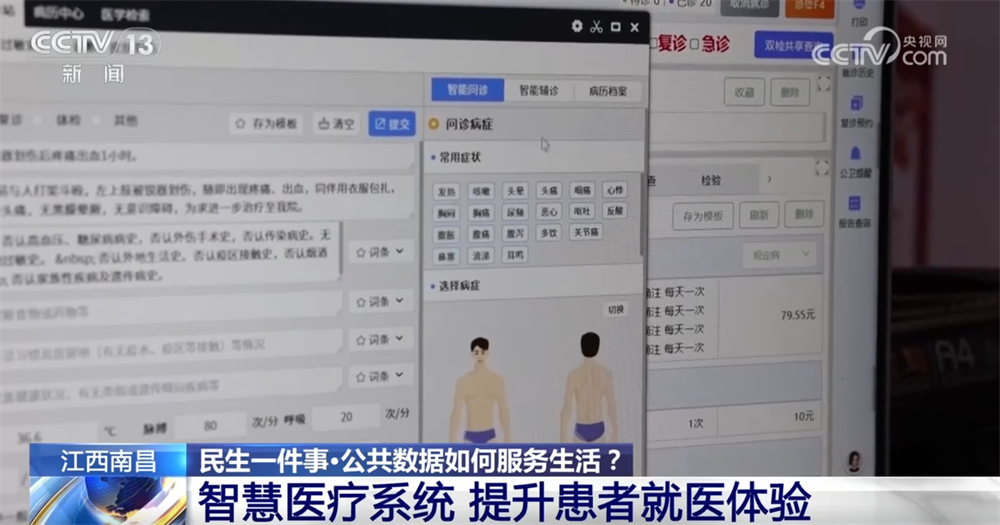
These records form part of massive medical data. Jiangxi has connected the public medical data of more than 100 county-level medical institutions, 1,800 township health centers, and more than 20,000 village health centers in the province, and connected to the artificial intelligence model. A relevant person in charge of the Jiangxi Provincial Data Bureau told reporters that the average annual data records such as medical images, electronic medical records, and residents' health records generated by the smart medical system exceed 1.5 billion.
Xiamen, Fujian: Home Service Certificate to Make Housekeeping Services Query and Traceable
During this period, as schools and construction begins one after another, the housekeeping market has entered a peak demand season. So how to find a reliable housekeeping service staff? The reporter made some new discoveries when visiting many housekeeping companies in Xiamen, Fujian.
In this housekeeping company, Dong Hongxia from Jiangxi is receiving training as a maternal and child caregiver.
Maternal and infant nurse practitioner Dong Hongxia said: "Now teachers teach step by step, pay more attention to many details, and have complete documents. Now we have added a home-based service certificate."
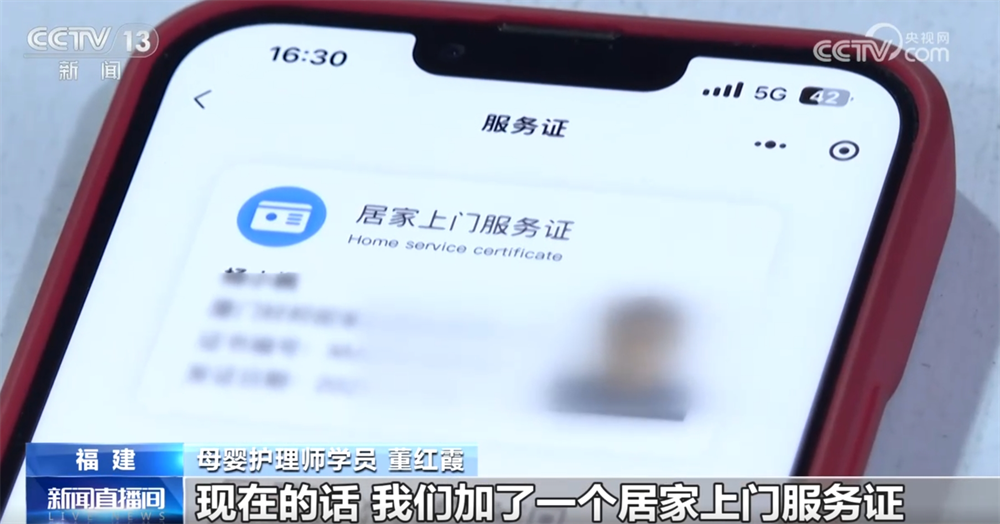
Behind this home-based service certificate is a public service platform built by local data, commerce, development and reform, public security and other departments. The total amount of mobile data reaches tens of millions, thus providing support for information verification for home-based service certificates.
In a resident's home, the reporter saw that after having a home service certificate, the housekeeping practitioner can display his own training status, service evaluation and other information through a QR code.
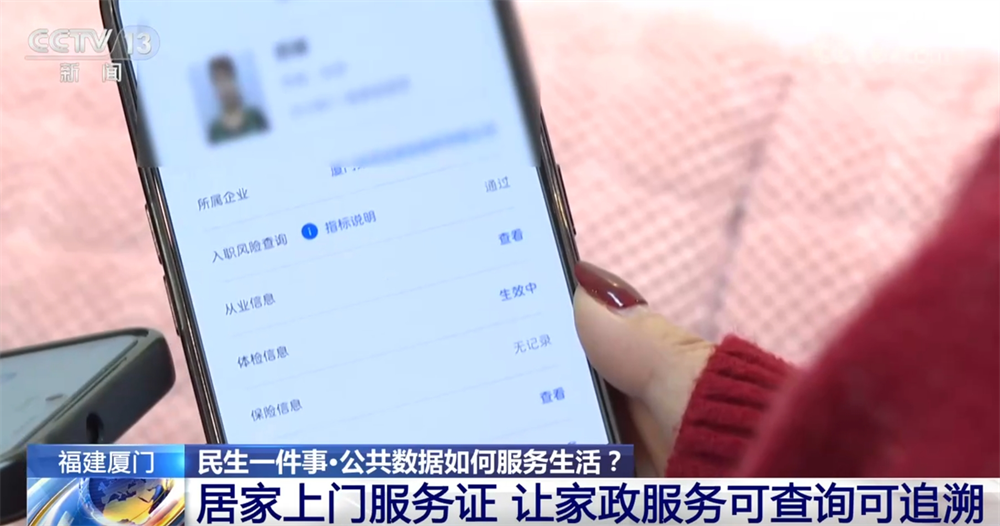
The latest data shows that at present, Xiamen's housekeeping service platform based on public data development has been certified and incorporated into more than 30 housekeeping enterprises, and more than 14,000 registered employees, so that housekeeping services are standardized, queried and traceable.
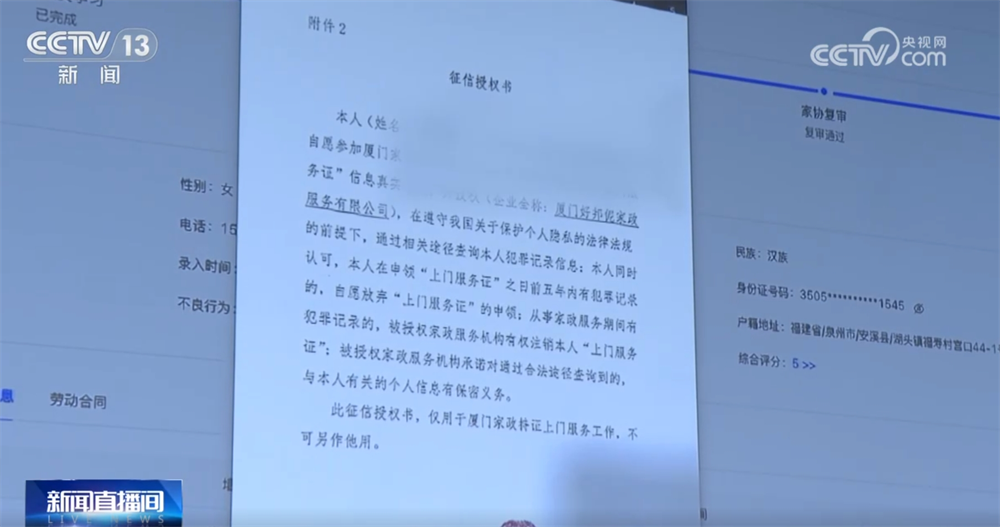
Chen Haitao, a second-level inspector of the Party Leadership Group of Xiamen Data Management Bureau, said: "This year, the platform will continue to connect to the social security, health examination and other dimension data of the human resources and social security, health and other departments, so that the insurance situation and health status of the service personnel's housekeeping service liability insurance will be more transparent, so that citizens' growing demand for housekeeping services can be better met, and at the same time, it also supports the industry supervision of the competent departments."