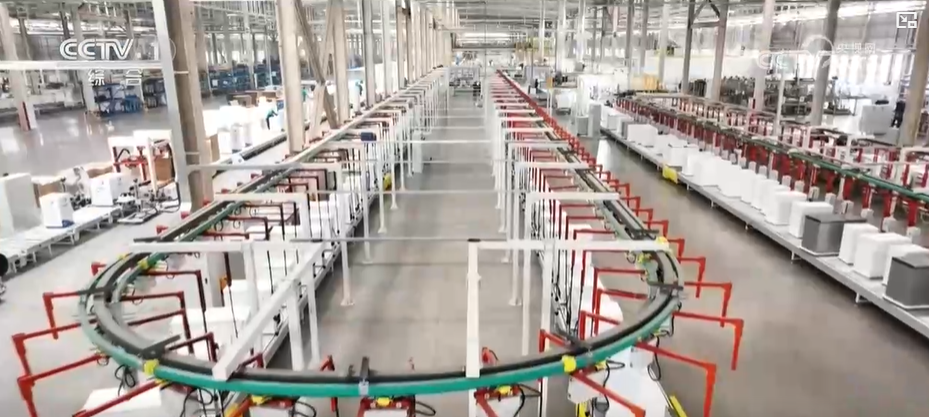
CCTV News: In recent years, Shanghai has continuously promoted the digital transformation of nursing homes, and at the same time explored home-based elderly care service models. Recently, our reporter walked into a digital nursing home opened in the community to see how they did it.
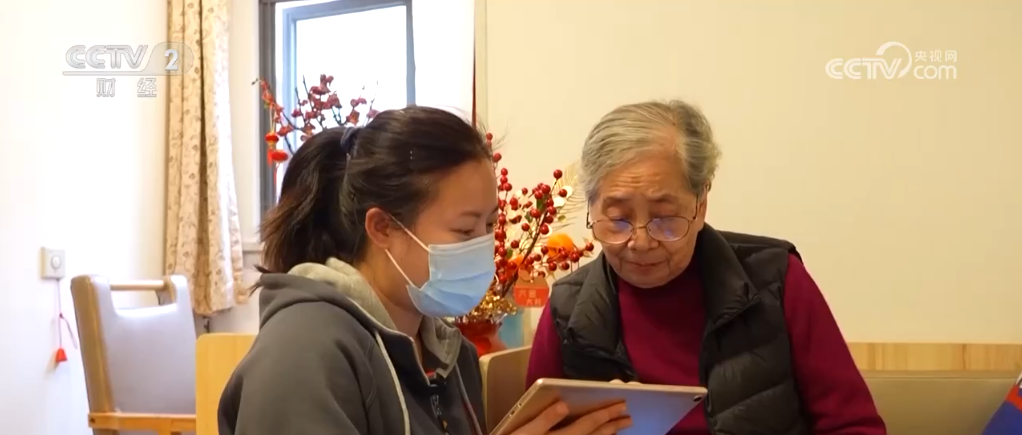
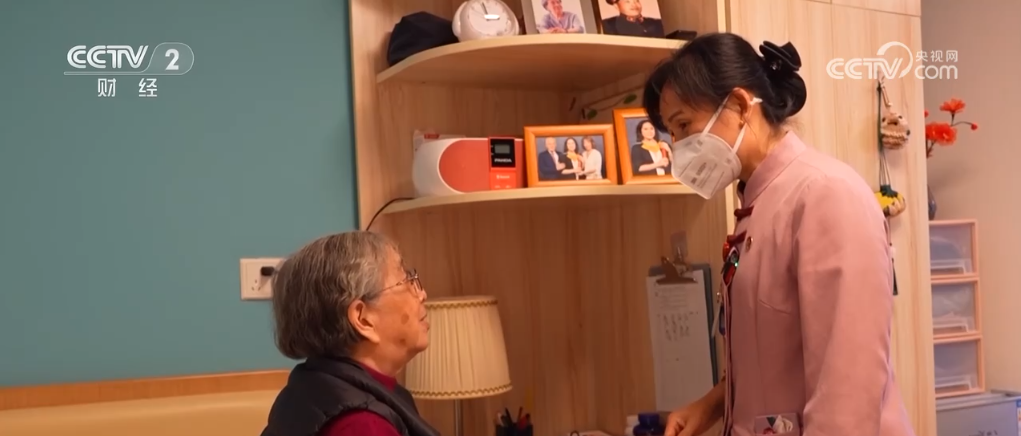
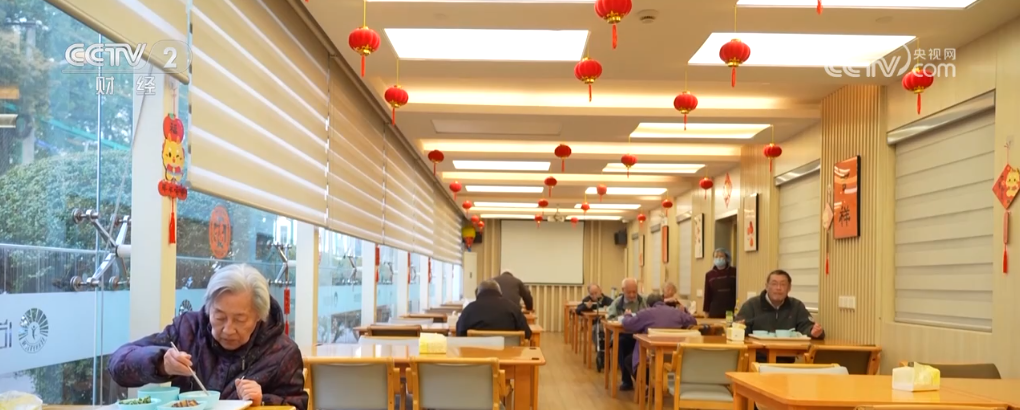
Grandma Chen is 89 years old this year and has been living in this nursing home for seven years. This nursing home in the community is located in Tianlin Fourth Village, Xuhui District, Shanghai. Although the appearance is integrated with the community and nothing special, the interior of this nursing home has something else to do. Various digital technologies are everywhere, and the ordering system used by Grandma Chen is part of the digital management.
The person in charge of the nursing home introduced that all the health data of the elderly are in the nursing home health records. Ordering can automatically avoid some contraindications, including the tastes and special needs of the elderly, and can also be met one by one.
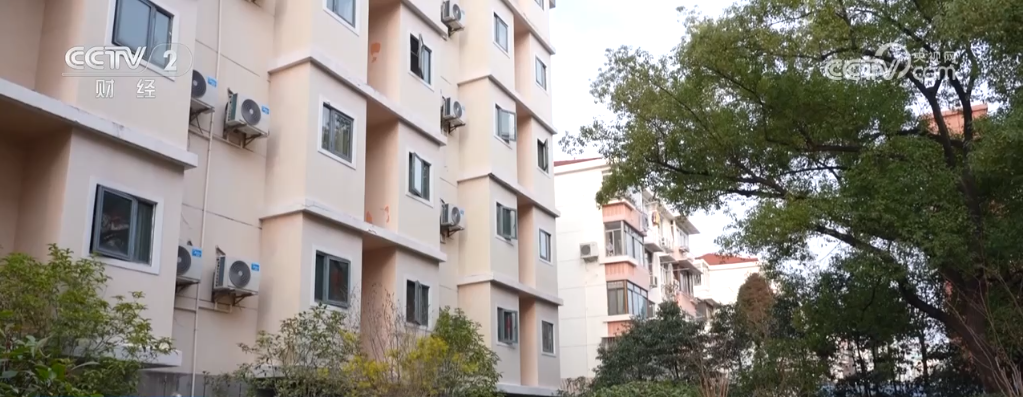
In addition to customizing recipes based on health records, nursing staff's daily care for the elderly and emergency calls to the elderly are also carried out in an orderly manner under the planning of the digital system.
The person in charge said that when the call ring occurs, all the mobile phones of all the people serving the elderly will ring automatically. During the digital control process, his children can see everything the nursing home does in real time.
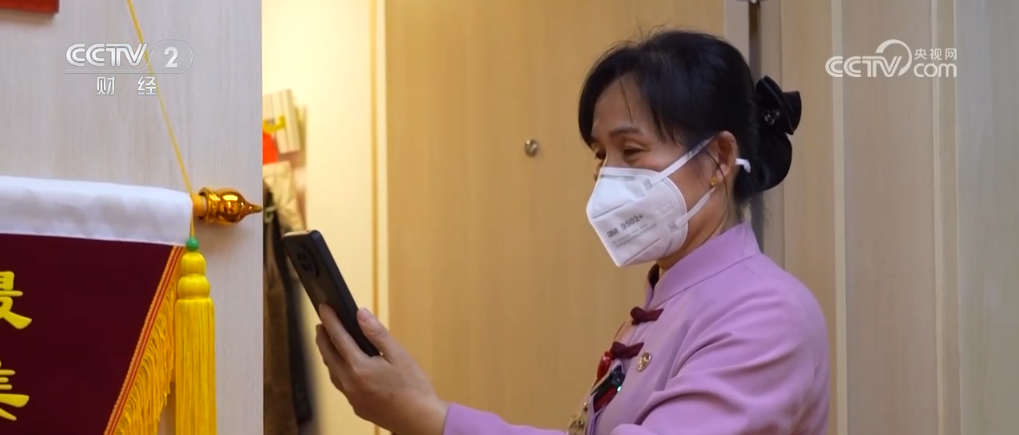
The reporter learned that by 2027, 100 demonstration smart nursing homes will be built in Shanghai. In addition, relying on the professional elderly care talents of nursing homes, carrying out home-based elderly care services is also the future development direction of nursing homes. Mr. Ge, who lives in No. 25, Leshan Road, Xuhui District, Shanghai, has been receiving home-based elderly care services since September 2024.
Grandma Zheng, who was interviewed, said: "My old man was born with Alzheimer's disease 6 years ago. Now we are in our 80s and can't move it anymore. The nurse comes every day, one hour a day. After he comes, he first takes the old man to take a shower, wash the bathroom and wipe it in the kitchen. I said I'm right, we save effort, and my daughter is relieved."
According to the relevant plans of the Shanghai Civil Affairs Bureau, it is estimated that by 2025, 8,000 new service recipients will be added to the family care beds in Shanghai. Shen Hairong, director of the Elderly Care Development Center of Xuhui District, Shanghai, said that currently, there are 348,300 registered elderly people over 60 years old in Xuhui area, accounting for 36.71% of the total registered population. Most of the elderly are home-based elderly care. The center also strictly reviews the qualifications and professionalism of the service provider to ensure the safe implementation of services.
Shanghai: The new policy on subsidies for elderly care workers is implemented. The nursing industry is expected to usher in more talents
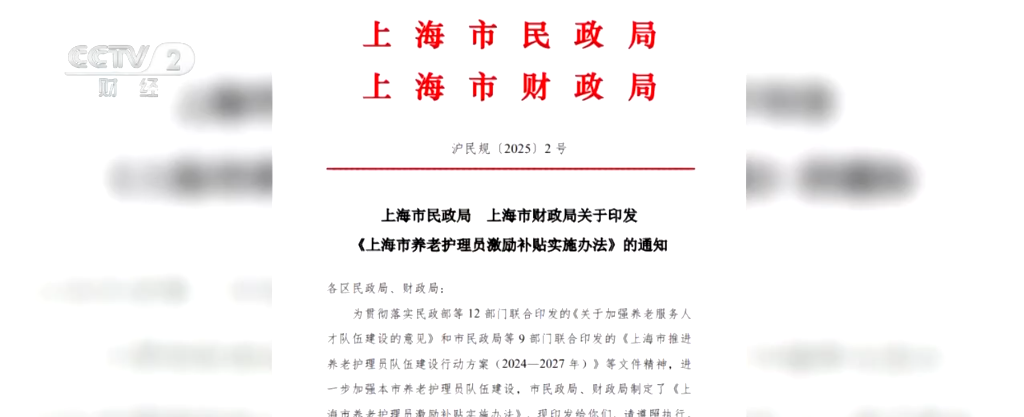
On January 1 this year, the Shanghai Civil Affairs Bureau issued the "Implementation Measures for the Incentive Subsidies for Elderly Caregivers", which will issue subsidies to nurses of different skill levels in stages. How to receive subsidies? What are the expected effects?
Huang Xiaoxia is 42 years old from Nantong, Jiangsu Province. Three years ago, she followed her husband to settle in Shanghai. She is currently a nurse at a nursing home in Putuo, Shanghai and has obtained a primary certificate of nursing caregiver. She told reporters that after the new policy was introduced, her willingness to "test" became stronger.
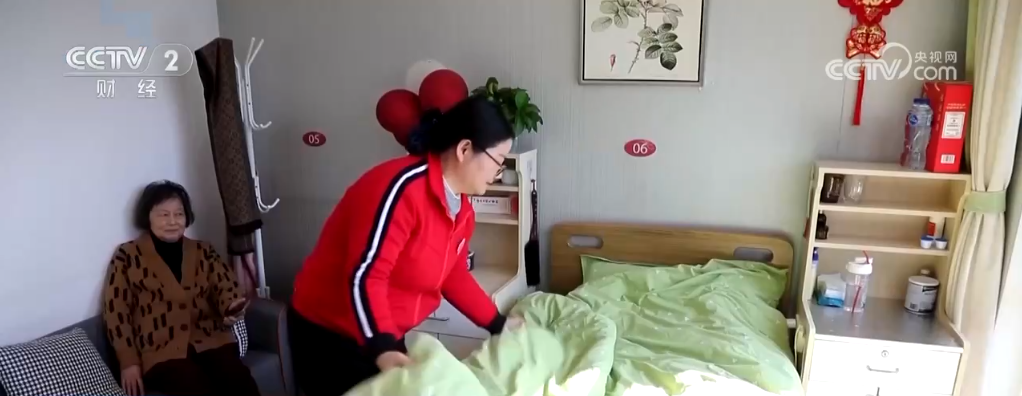
Huang Xiaoxia said: "It is about three times to pay, and you can get a subsidy of more than 30,000 yuan in five years. I plan to get intermediate this year and high-end next year, and you can get more subsidies."
Starting January 1 this year, Shanghai began to implement the "Implementation Measures for the Incentive Subsidies for Elderly Nursing Employees", based on the total minimum wage of that year, and based on different grades of certificates, 20% to 100% subsidies will be issued to qualified nurses in three times within five years.
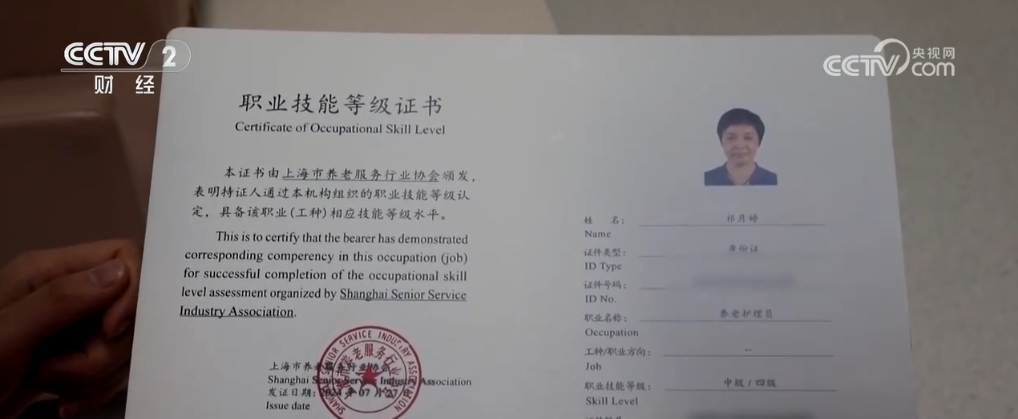
Shanghai Yichuan Nursing Home Nursing Home Nursing Home Qi Yueting said that last year, she obtained the intermediate nursing certificate. Under this new policy, she can receive a subsidy of 14,000 yuan in the second year, and in the third year, she will receive a total subsidy of 70,000 yuan.
The heads of several nursing homes told reporters that there are still certain gaps in nursing care workers in the hospital. The new subsidy policy will not only help on-the-job nursing workers actively improve their skills, but also hope to attract more talents to the hospital.
Lu Jing, director of Shanghai Yichuan Nursing Home, said that there are currently 90 nursing staff on duty in the nursing home, and 110 nursing staff should be assigned. After the policy is implemented, there will be great improvements in recruitment.
Qiao Yihao, director of the Yangpu District Social Welfare Institute in Shanghai, said that for front-line practitioners and nursing home managers, they all agree with this policy.

Industry insiders said that Shanghai has entered a stage of severe aging and the demand for care for the elderly is released in a concentrated manner. The new policy will form a positive incentive for the training, certification and subsidies for elderly care workers, and improve the professionalism of the elderly care team. Fu Ying, director of the Elderly Care Service Development Center of Putuo District, said that the license ratio in Putuo District has reached 91%, and the elderly care team is relatively stable because signing a long-term contract will help them stay in Shanghai to work with peace of mind and serve more elderly people.