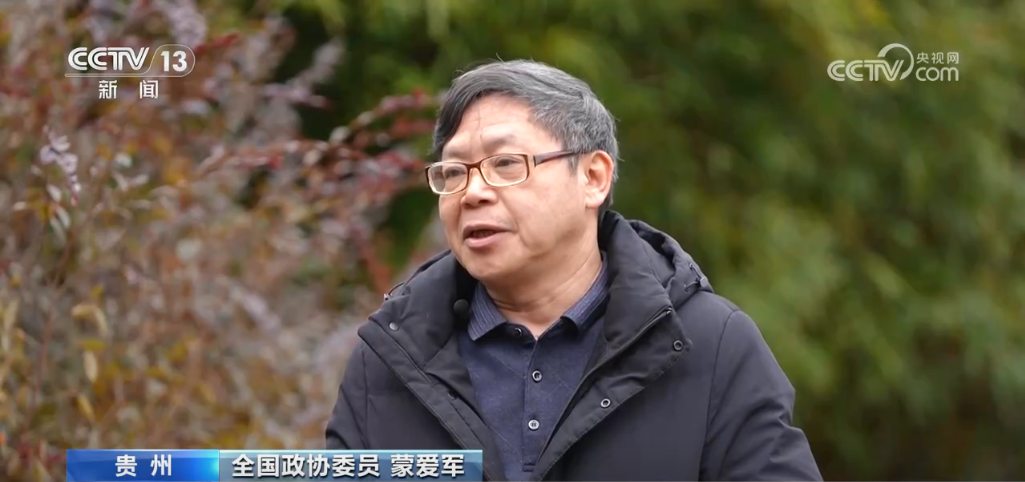
CCTV News: In recent years, a series of "village" font-size activities such as "village BA", "village super", and "village evening" have been carried out in rural areas in many places. This attracted the attention of Meng Aijun, a member of the National Committee of the Chinese People's Political Consultative Conference. During his one year of duty, he has been constantly exploring and exploring the cultural code behind "traffic".
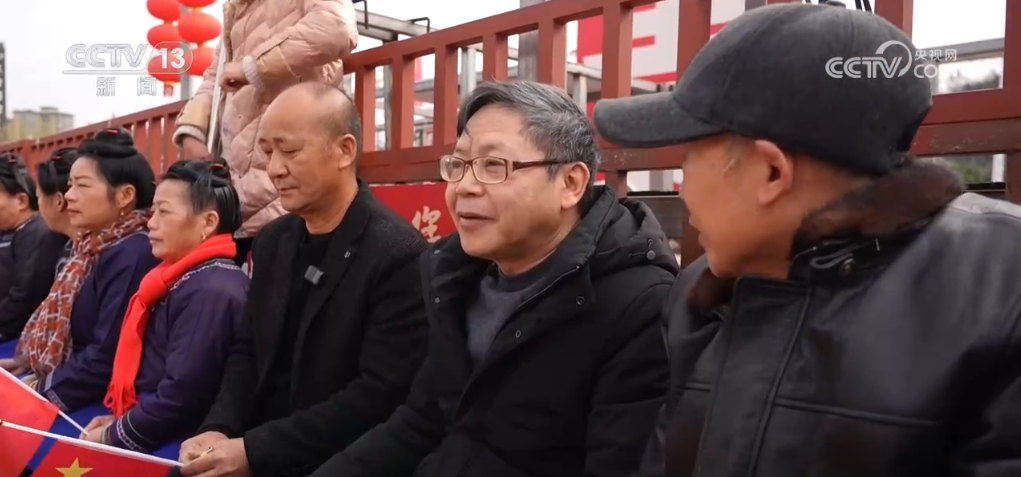
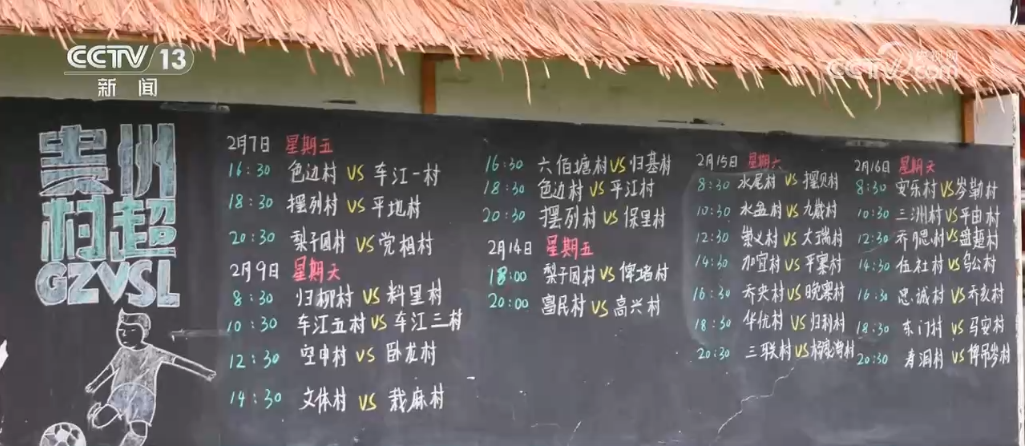
The Spring Festival has just passed, and the new season of Guizhou's "Village Super League" is in Rongjiang County. In the stands, a special audience - a member of the Meng Aijun who is conducting research on the proposals of the National People's Congress and the Chinese People's Political Consultative Conference. Meng Aijun, a member of the National Committee of the Chinese People's Political Consultative Conference, said that the "village super" is booming, and whether the traffic can continue depends on in-depth research and continuous efforts.
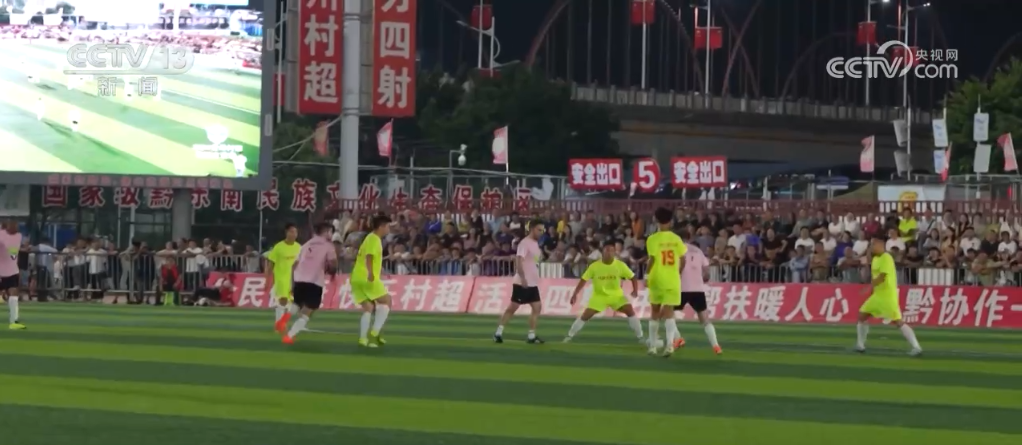
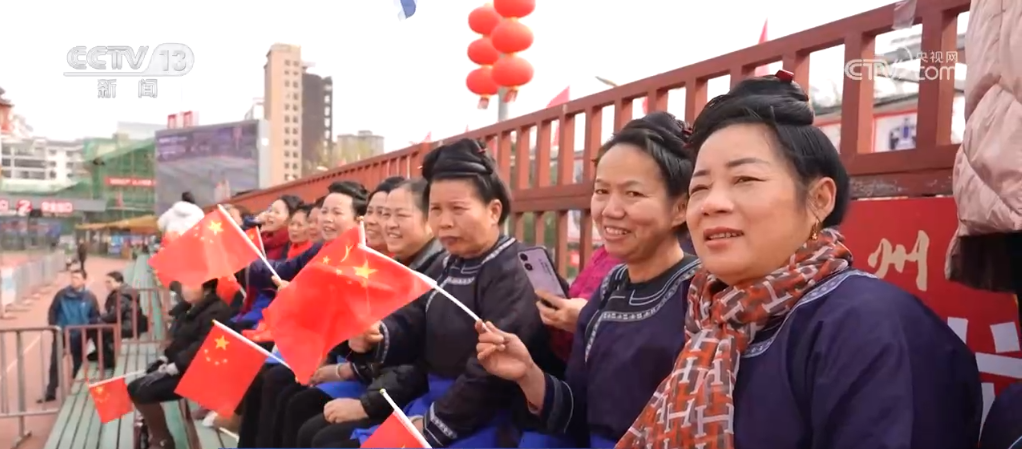
Meng Aijun discovered that the Rongjiang Village Intermediate Football Tournament, which has a decades-old history, suddenly became popular and "out of the circle". An important factor is the organic integration of local characteristic culture. During the competition, intangible cultural heritage exhibitions, ethnic costumes, and special foods made people dizzy. Today's "village superstar" is not only a sports event, but also a cultural feast.

Meng Aijun said that Guizhou has 99 national intangible cultural heritage and more than 800 provincial intangible cultural heritage. The key to the protection and inheritance of these cultural heritages lies in whether traditional culture can shine with the times and let it find a new position and value in modern life.
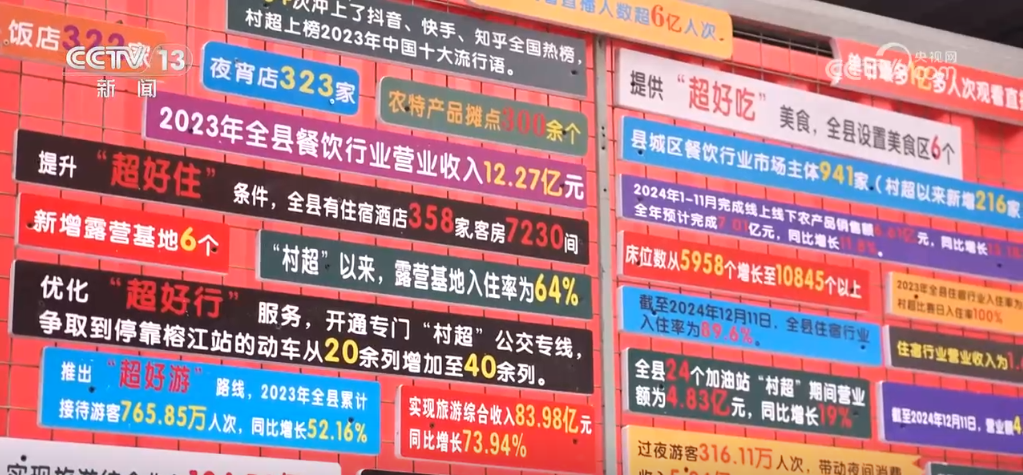
Driven by the "village super", Rongjiang County has achieved a comprehensive tourism revenue of more than 10 billion yuan in the past year. However, Meng Aijun's investigation found that in order to truly keep "traffic", the "sports + intangible cultural heritage" model must continue to be improved.
Du Yunhan, a staff member of the Leading Group for Service and Guaranteeing the "Village Super" in Rongjiang County, Guizhou Province, said frankly: "After the 'Village Super' becomes popular, if the schedule is short, the popularity will become cold; if the time is long, everyone will be aesthetically tired."
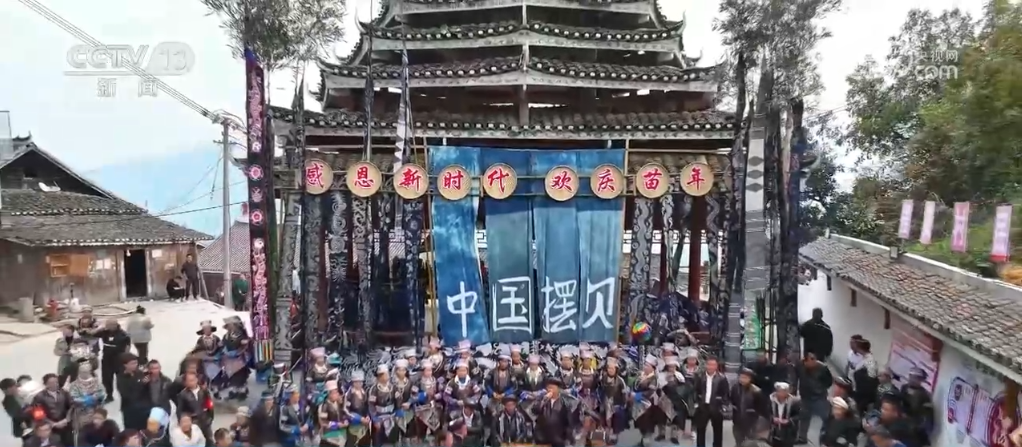
How to keep tourists interested? At the National People's Congress and the Chinese People's Political Consultative Conference last year, Meng Aijun made suggestions that we should make full use of traditional culture, intangible cultural heritage and rural culture to inject new vitality into rural revitalization. During this year's investigation, Meng Aijun discovered a new sample. Baibei Village, more than an hour's drive from Rongjiang County, was a provincial-level poverty-stricken village with no water and electricity roads ten years ago. Now it has undertaken the spillover passenger flow brought by the "village super" and has become a well-known rural tourism check-in place.
Chinese-style modernization cannot be separated from the inheritance and promotion of excellent traditional culture. Solid and rich research has expanded Meng Aijun's proposal ideas. He will make suggestions for further polishing the "village" brand at this year's Two Sessions.
National CPPCC member Meng Aijun said that he will recommend the introduction of relevant policies to support the expansion of the boundary of the cultural and tourism industry, and to deeply integrate and expand from the integration of "cultural, sports, business and tourism exhibitions" to promote collaborative innovation and development among industries.
Meng Aijun, who is over 60, is about to retire. What we hear the most from him is the online word "traffic". He said that what he supports him has been on the road is the responsibility of the CPPCC members to perform their duties for the people. Some people say that "village super" is a window for the practice of Rongjiang in rural revitalization. Through this window, we not only see the charm and cultural vitality of the intangible cultural heritage on the other side of the window, but also deeply feel that culture cannot be absent in rural revitalization. It is not only the force to achieve revitalization, but also the soul to lead revitalization.