CCTV News: Spring returns to the earth, and all things are revived. At present, the national spring plowing preparation is being carried out from south to north, and the peak season for fertilizer use is about to enter. Fertilizer and seed production companies in various places are stepping up processing and production to ensure sufficient supply of agricultural supplies market.
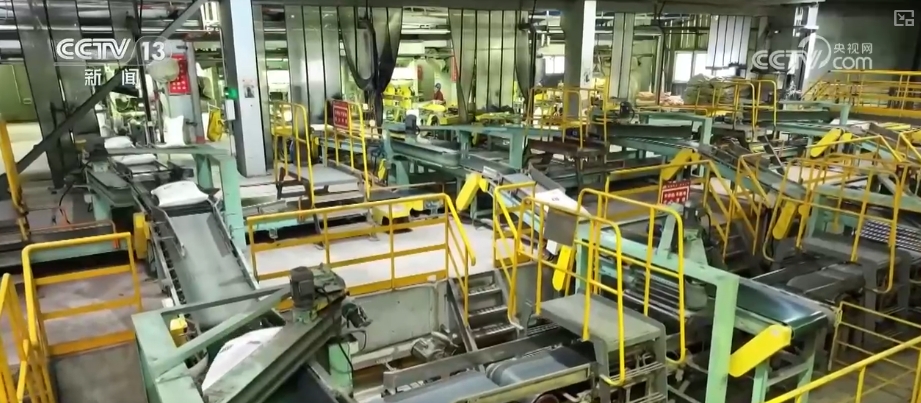
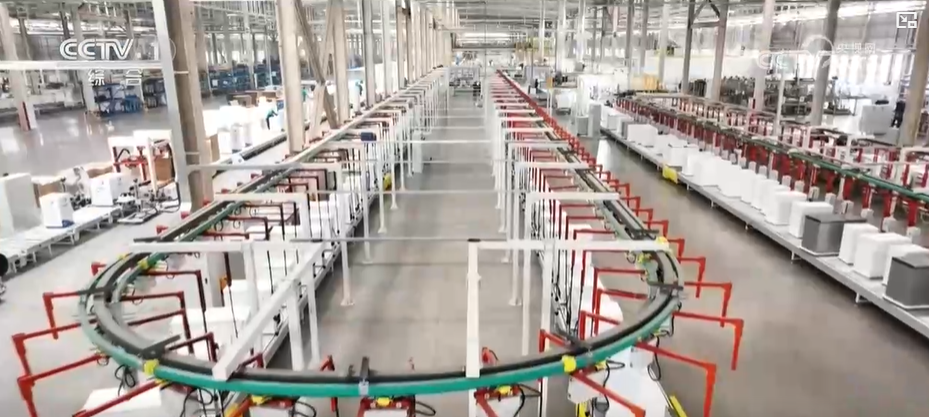
In a large chemical enterprise in Zhijiang, Hubei, the automated production line in the fertilizer workshop is running at full capacity and can produce 15,000 tons of fertilizers every day. On average, more than 10 tons of fertilizers are removed from the line in one minute.
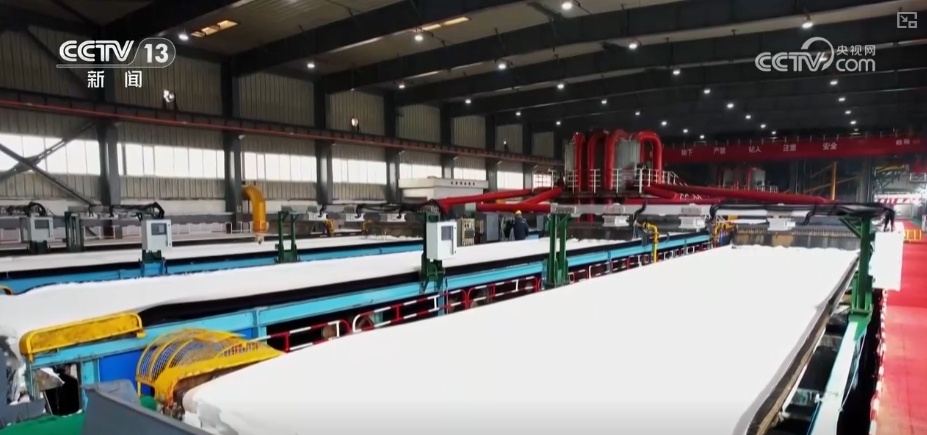
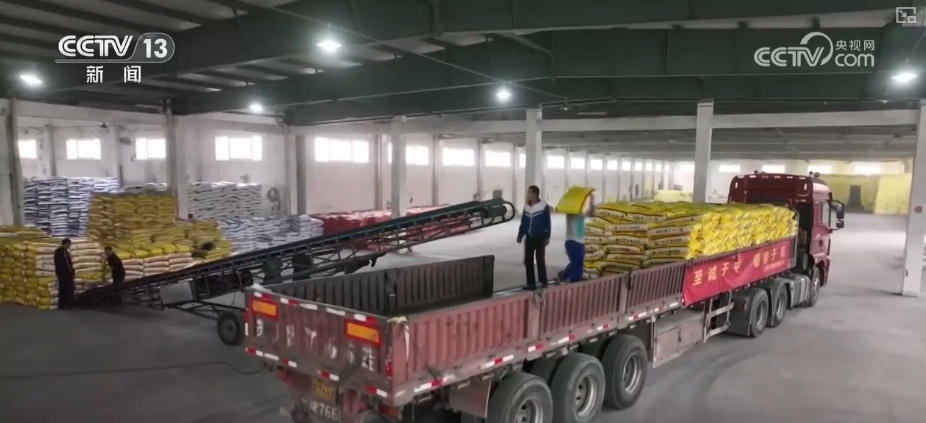
In a potassium fertilizer production workshop in Qinghai, each digital production line operates 24 hours a day without interruption. Potassium fertilizer is transported from the conveyor belt to the drying system, and then sealed in the packaging workshop. After loading, it is sold to Shandong, Henan, Hubei, Jiangxi and other places. Since the spring farming and supply guarantee work has started, the daily production of potassium chloride products of the enterprise has reached 11,000 tons.
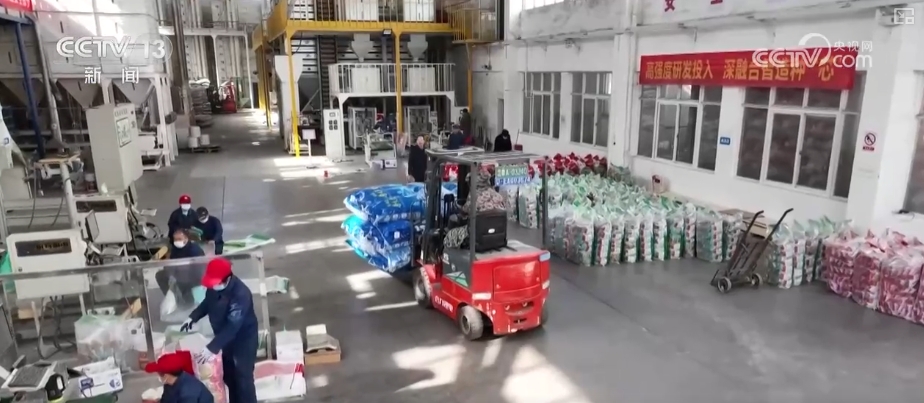
In order to ensure seed supply, in this seed production enterprise in Nanchang, Jiangxi, seven digital fully automatic production lines are being carried out at full capacity, and employees in packaging, sorting, loading and other positions are busy in a nervous and orderly manner.
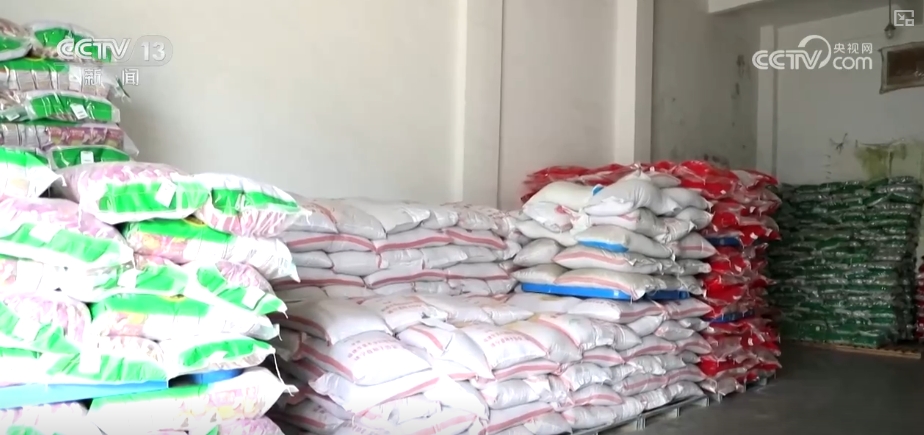
In order to ensure the smooth progress of spring plowing, the company has fully launched early rice seed production before the New Year, and is expected to produce 1.5 million kilograms of high-quality early rice seeds before spring plowing. At present, Nanchang has prepared nearly 6 million kilograms of rice seeds in full, which can fully meet the local spring farming production and seed needs. The supply of chemical fertilizers in spring farming is generally sufficient
The application of chemical fertilizers in spring farming accounts for more than 40% of the annual fertilizer application. The supply and marketing cooperative system is the main channel for the circulation of agricultural supplies in my country, and the supply of fertilizers accounts for 70% of the country. At present, many companies in the system are accelerating the procurement and reserve progress, and the overall supply of fertilizers is sufficient.
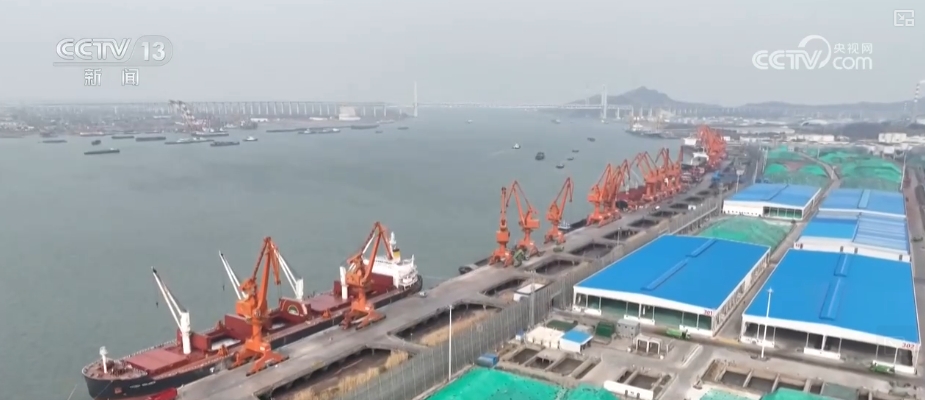
Zhenjiang Port, located at the intersection of the Yangtze River and the Grand Canal of Beijing and Hangzhou, is the largest distribution center for imported agricultural production materials in the country. This foreign ship carrying 45,000 tons of imported potassium fertilizer arrived slowly at the port after more than 40 days of maritime navigation.
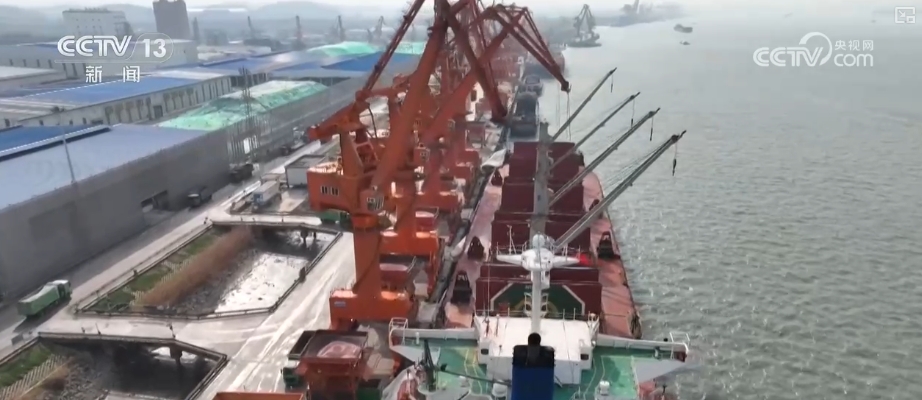
It is understood that in order to seize the preparation time and reduce logistics costs, border inspection and customs, port logistics enterprises, downstream factories and other parties cooperated and changed the practice of advanced "transfer warehouses" in the past, but directly "large ships to small boats" and seamlessly connected water transportation to upstream and downstream enterprises.
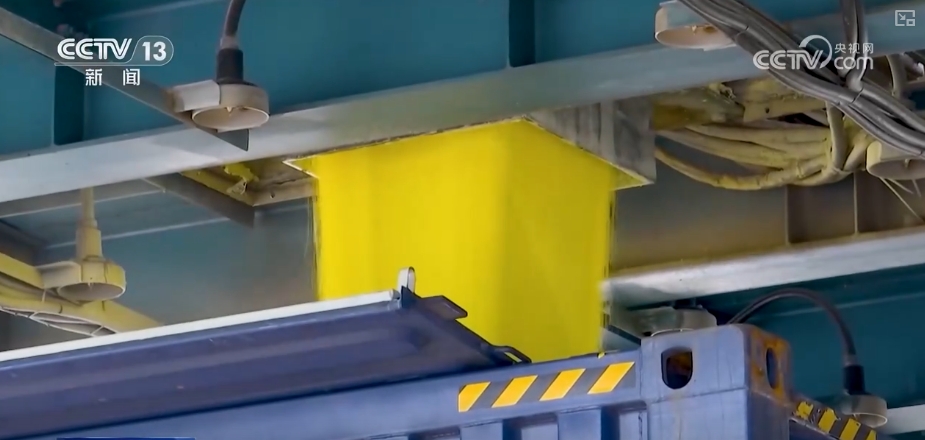
Fast production, smooth transportation, and sales should be done well. As the largest agricultural input distribution enterprise in China, China Agricultural Materials of Production Group Co., Ltd., a subsidiary of China Supply and Marketing Group, supplies more than 28 million tons of fertilizers in 2024, and its service network covers all major grain-producing areas across the country. Since 2025, the area of arable land served by China Agricultural Group has reached 2.72 million mu.
Recently, the China National Supply and Marketing Cooperative issued a notice to promote the systematic agricultural input enterprises to carry out business cooperation such as collective collection and distribution, centralized procurement and direct sales, and strive to reduce the purchase costs and circulation costs of agricultural inputs, and make more benefits to farmers.