
CCTV News (News Network): General Secretary Xi Jinping pointed out that protecting traditional blocks, ancient buildings, and cultural relics is to preserve the history and context of the city. This Spring Festival, the first Chinese New Year after the successful application for World Heritage, the historical and cultural spaces and rich and diverse cultural consumption experiences in various places have been renovated and renovated, allowing the new picture of the integrated development of history and culture and urban and rural construction to be slowly painted in the land of China in the new era.
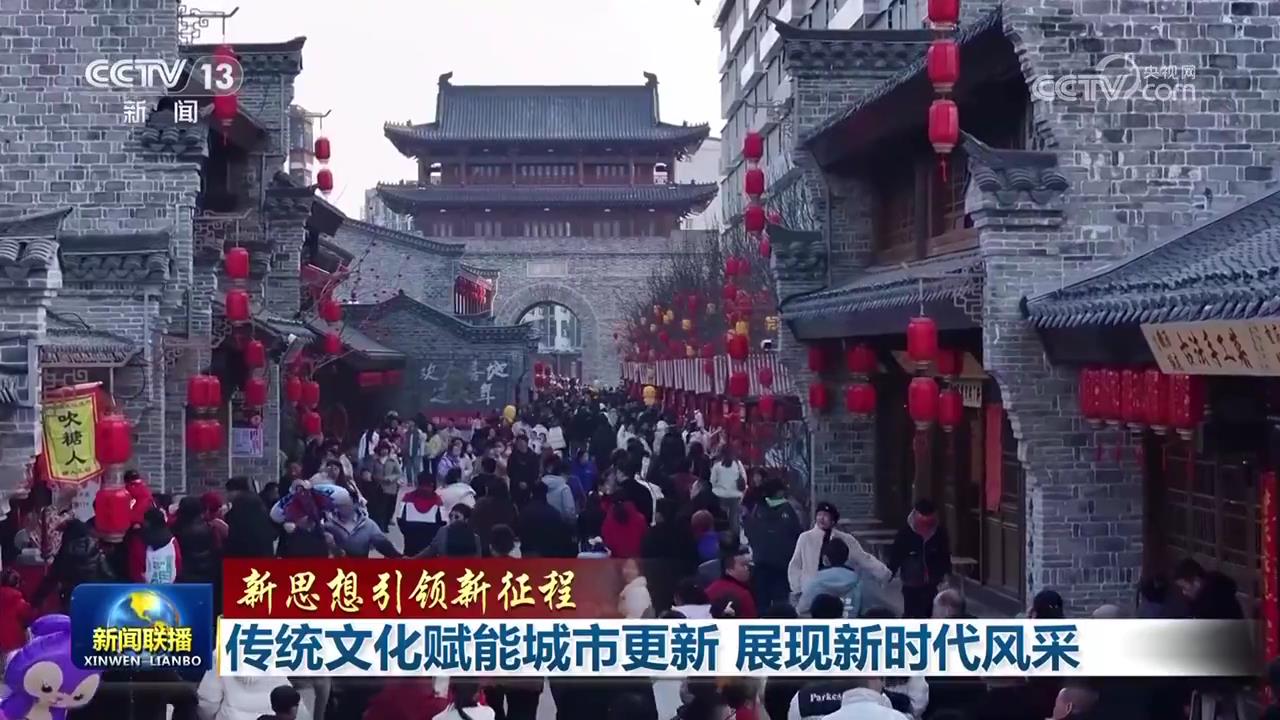
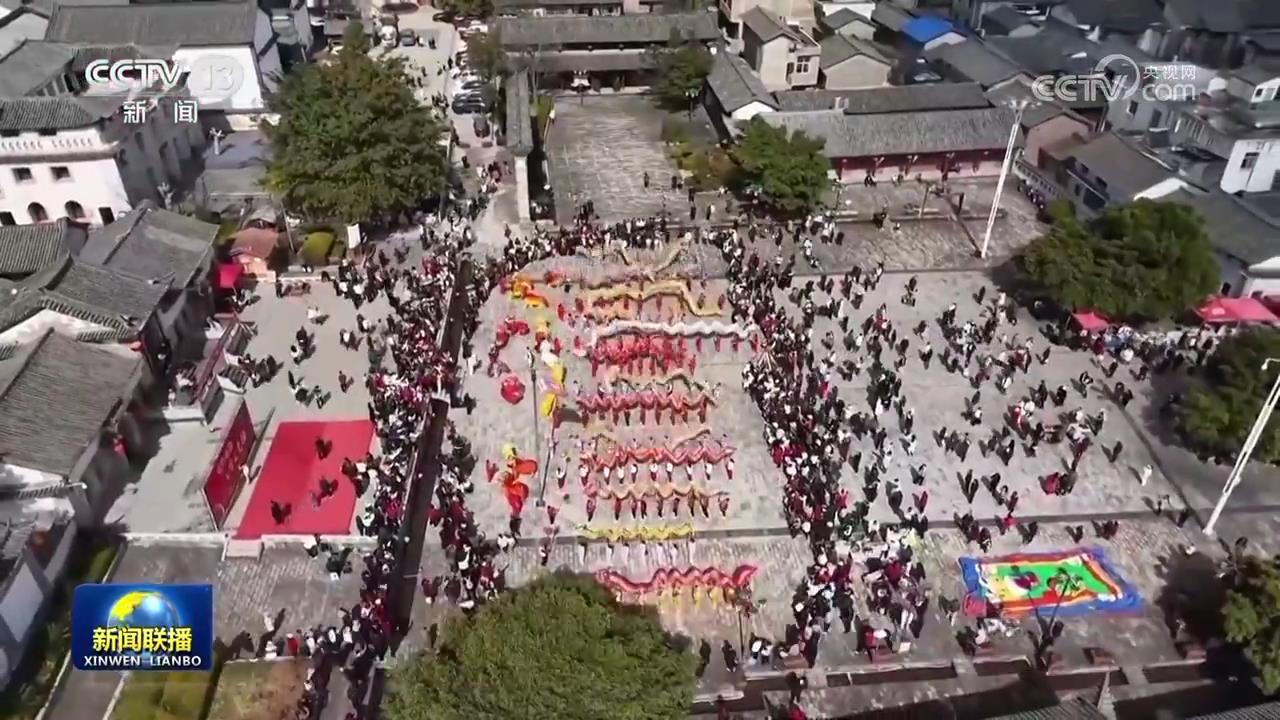
There are more than 580 million people, and the number of people going to a national historical and cultural city to celebrate the New Year during this Spring Festival is increasing. With more than 13,600 events, 8-day holidays, intangible cultural heritage and folk activities in urban parks in various places were staged one after another. 228%, among the travel data of a travel platform, the search volume of "Ancient City Hotel" increased exponentially year-on-year. This Spring Festival, "celebrating the New Year in the museum" and "celebrating the New Year in traditional villages" have become the New Year customs. When history and culture are perfectly integrated into urban and rural construction, a more full New Year atmosphere is brewing.
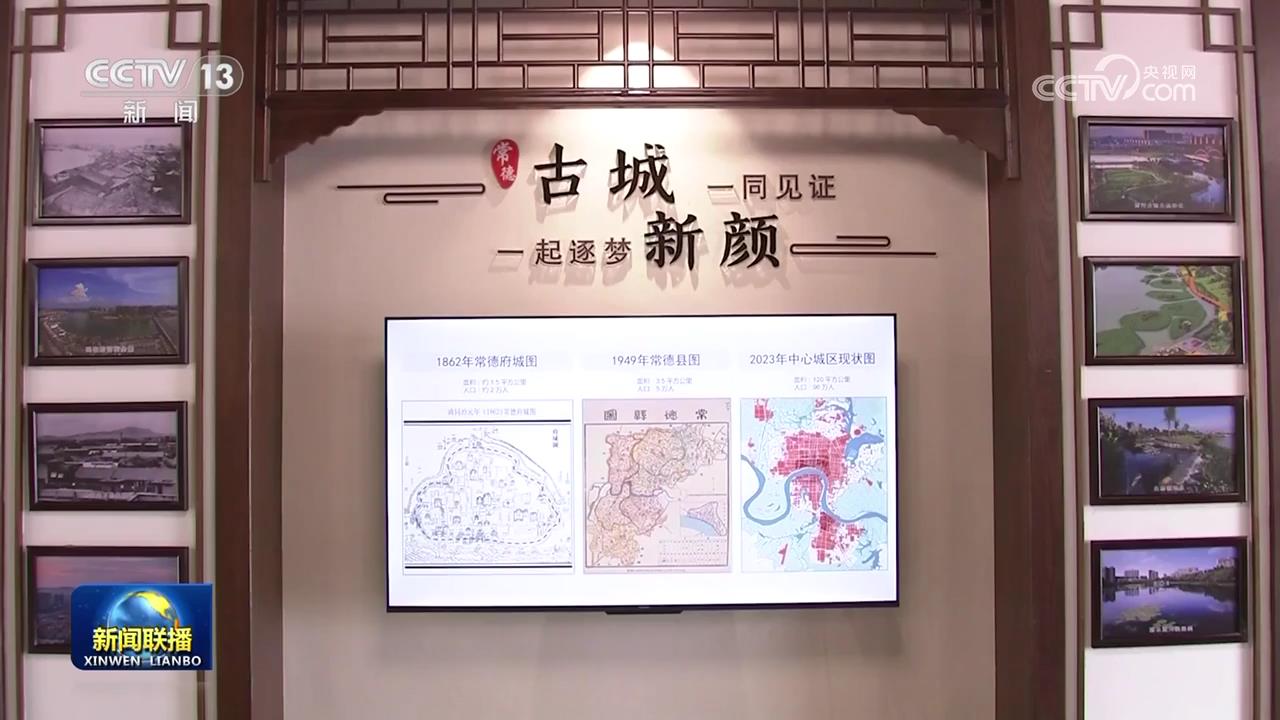
The historical sites, cultural monuments and cultural heritage of a city are part of the life of the city. Since the 18th National Congress of the Communist Party of China, General Secretary Xi Jinping has visited and investigated ancient cities and traditional neighborhoods across the country many times, and made important instructions on the protection and inheritance of historical context. Walking through the ancient cultural street in Tianjin, it pointed out that "we must protect and make good use of historical and cultural districts"; going to Changdehe Street in Hunan, it learned in detail about the restoration and utilization of old town streets, urban planning, etc.; going deep into old communities in Chongqing, it emphasized that "we must not only preserve historical memory and characteristic style, but also solve practical issues of concern to residents"; in Anhui, it emphasized that we should strengthen the protection, inheritance and utilization of traditional villages and traditional buildings. While demanding "establishing a sustainable urban renewal model and policies and regulations", the Third Plenary Session of the 20th Central Committee of the Communist Party of China clearly pointed out that it is necessary to "establish a cultural heritage protection inspection system."
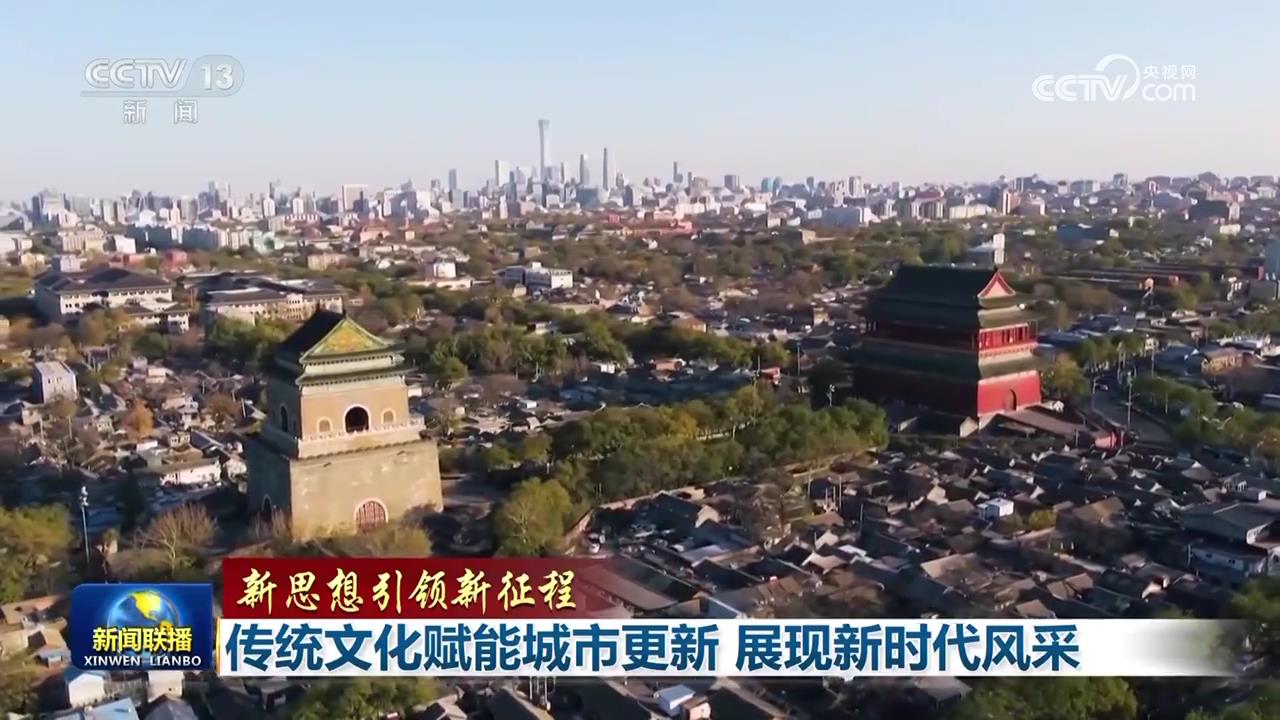
In order to integrate historical and cultural protection into urban renewal, various reform measures are being implemented at a faster pace. With the issuance of the "Opinions on Strengthening the Protection and Inheritance of Historical and Cultural in Urban and Rural Construction", 14 provinces have promulgated provincial regulations on the protection of historical and cultural cities, and 110 national historical and cultural cities have formulated and issued protection regulations and rules. While building a systematic and promoting the protection and inheritance work pattern, the coverage of protection has also continued to expand. 143 national historical and cultural cities, 799 Chinese historical and cultural towns and villages, 1,289 historical and cultural blocks, 8,155 Chinese traditional villages, and 68,100 historical buildings have been identified and protected.
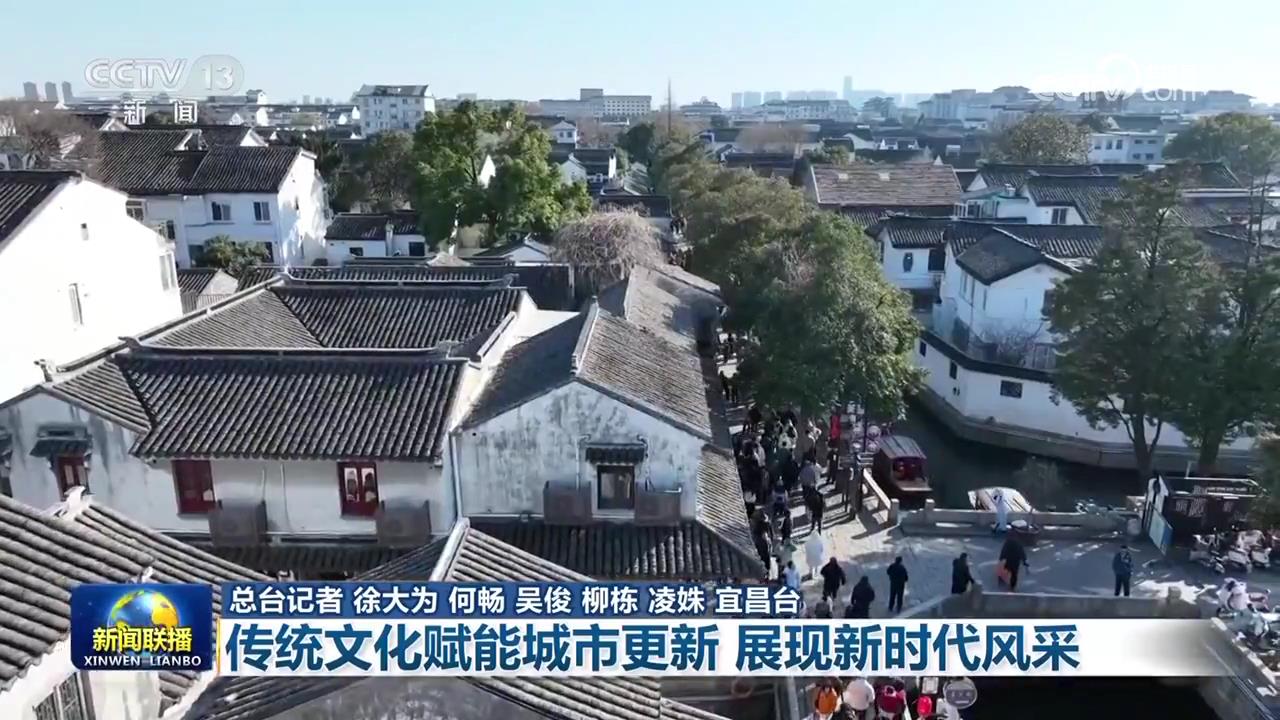
At the same time, the pace of using protection to promote protection is also accelerating. In 2024, more than 60,000 urban renewal projects were implemented nationwide, and a large number of historical and cultural blocks and historical buildings were revitalized and utilized. At present, the central budget investment supports 26 projects to carry out the protection and improvement of historical and cultural cities and blocks. At the same time, pilot projects for the protection and utilization of historical buildings have been carried out in 8 provinces and 8 cities, empowering urban development through revitalization and utilization. In Suzhou, the local area has launched the "Ancient City Protection and Update Partner Program" to help ancient and old houses introduce new industrial formats and urban functions. This year, after the renovation of Shiquan Street, the first Spring Festival has ushered in, and it has become a new landmark for local cultural and tourism consumption.
This year, with the accelerated progress of urban renewal actions, the Historical and Cultural Heritage Protection Law and relevant regulations are being stepped up, and the National Planning Outline of the Urban and Rural Historical and Cultural Protection and Inheritance System will also be issued as soon as possible.