
CCTV news (Focus Interview): At about 22:33 on October 22, a 7.0-magnitude earthquake occurred in Baqing County, Nagqu City, Tibet, causing heavy casualties. After the earthquake, General Secretary Xi Jinping attached great importance to it and issued important instructions, requiring that all efforts should be made to carry out search and rescue of personnel, and to treat the wounded to minimize casualties. At present, various forces are carrying out various rescue work such as search and rescue and resettlement in an orderly manner. What is the situation on the ground now? Let’s take a look at the reporter’s observations in the earthquake zone.
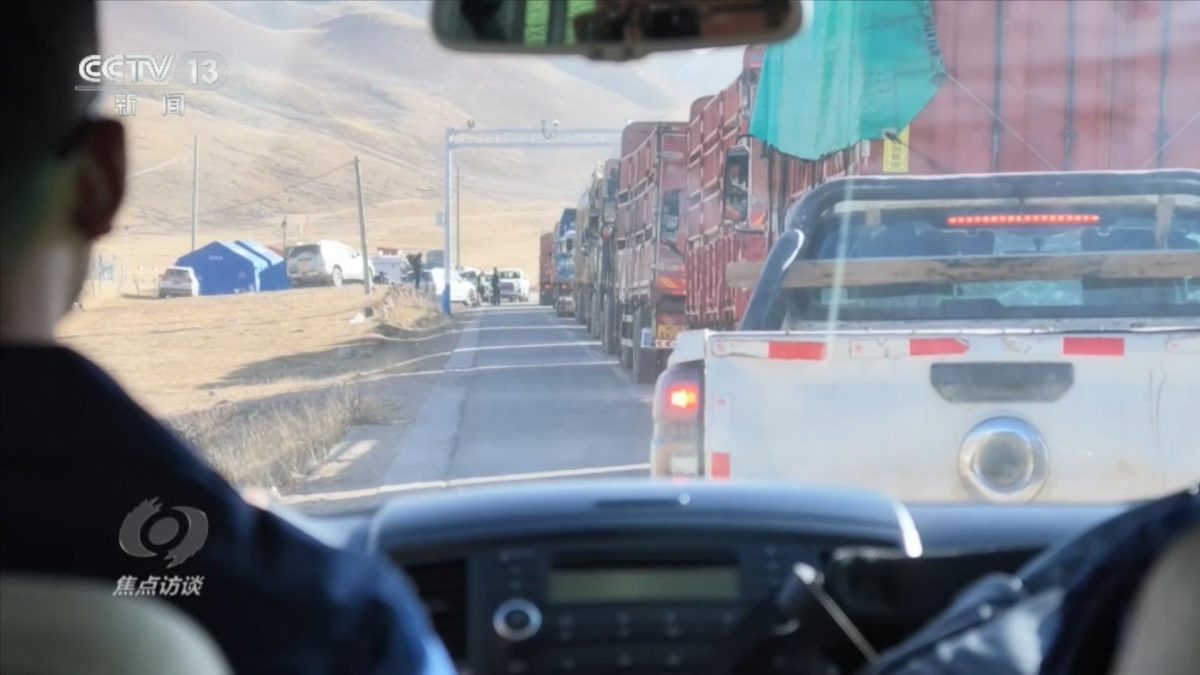
In the early morning of October 24, reporters on the way to the epicenter saw a steady stream of vehicles loaded with relief supplies gathering in the direction of the epicenter.
At about 22:33 on October 22, a 7.0-magnitude earthquake occurred in Baqing County, Nagqu City, Tibet, affecting 13,763 people in 34 administrative villages. The earthquake was particularly felt in Maru Township and Gangqie Township in the core area of the epicenter.
CCTV reporter Wang Taoran: "I am located in Mayu Township, the epicenter of the Nagqu earthquake. This is also the area with the most serious damage. The roofs of the houses behind me have completely collapsed, and the row of houses has collapsed. There is no one living in the yard, and the residents have been relocated. It can be seen that when the earthquake occurred, the intensity was still relatively high."
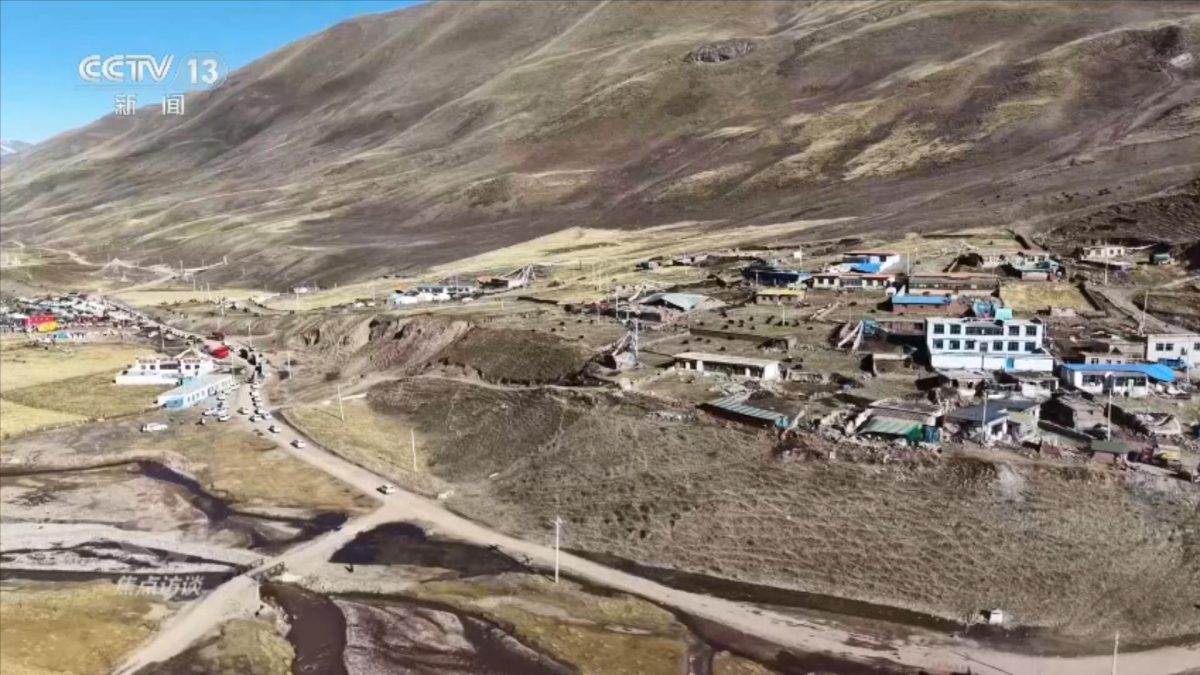
Baqing County is located in the northeastern part of the Tibet Autonomous Region, on the upper reaches of the Nu River, with an average altitude of more than 4,500 meters. As of 11:00 on October 24, the earthquake had killed 16 people and injured 76 people.
After the earthquake, the Office of the State Council Earthquake Relief Headquarters and the Ministry of Emergency Management upgraded the national earthquake disaster emergency response to Level 3 and sent a working group to the earthquake area to guide and assist in disaster relief. The Tibet Autonomous Region Emergency Command launched the Tibet Autonomous Region's Level 2 emergency response to earthquake disasters. Public security, firefighting, medical ambulance and other rescue forces have all carried out emergency rescue at the scene. The rescue focuses on Maru Township and Gangqie Township, and carries out "carpet-style" search and rescue platooning work. In accordance with the principle of "no household is missed, no one is left behind, and no blind spot is left", the rescue is carried out house by house and extends to cover neighboring counties, townships and villages.
The second village of Maru Township, located in the core area of the epicenter, was one of the villages hardest hit by the earthquake. The earthquake killed 6 people and injured 10 people. On the night of the earthquake, rescue forces arrived and quickly set up tents to accommodate the affected people.
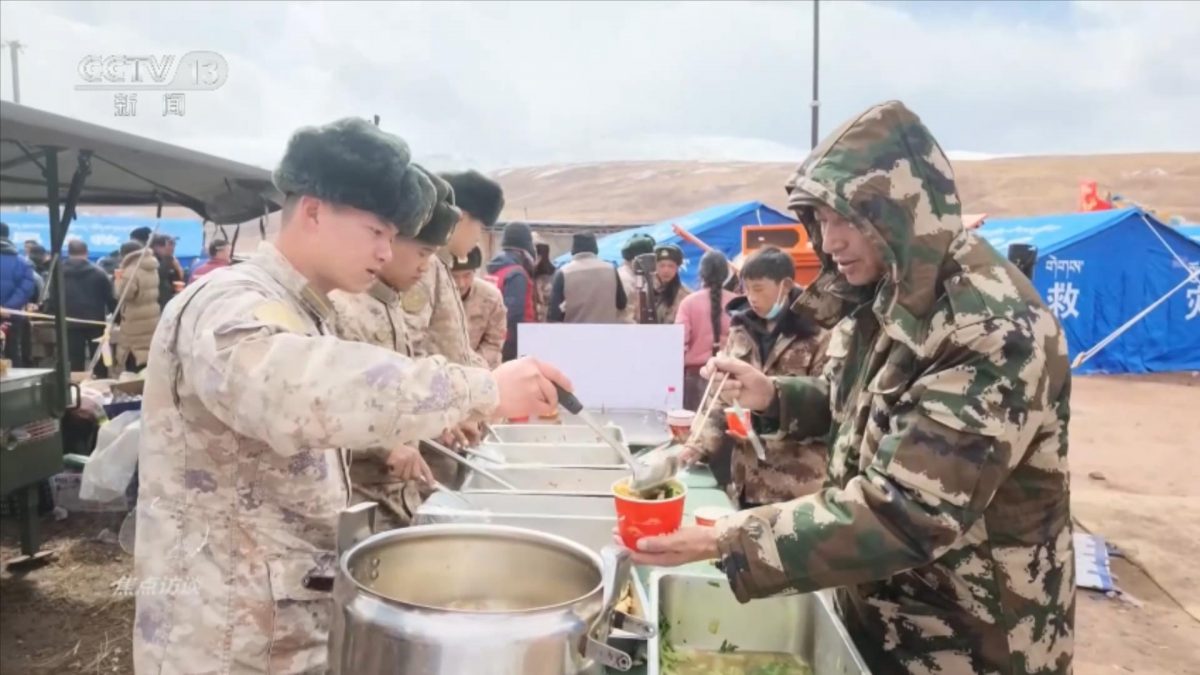
At noon on October 24, at the resettlement site, the reporter saw that steaming meals had been prepared.
During the interview, the reporter met Jiacuo Norbu who was preparing food. He told reporters that his house was shattered by the earthquake, and the family was moved to a tent in a centralized resettlement site that night. Although they were a little nervous when the earthquake happened, they feel very relieved now that they can live in a tent with their family without worrying about food and drink, and there are so many people helping them.
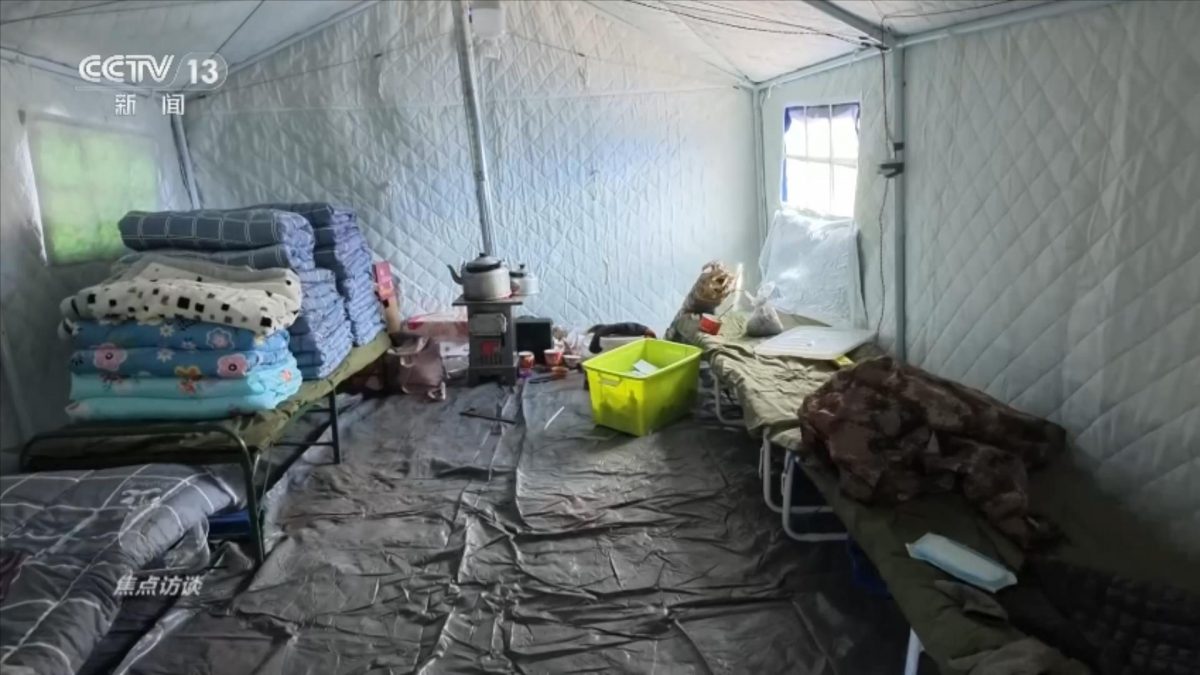
It is understood that there are 35 resettlement sites like this in the entire disaster-stricken area. As of 11:00 on October 24, a total of 1,830 tents have been erected in Baqing County, housing 12,489 people. Since the earthquake, disaster relief materials allocated at the central, autonomous region, city, and county levels have been continuously transported to the disaster area, with a total of 20 categories and a total of 52,450 pieces/set.
At noon on October 24, during the interview, the reporter saw that a large number of daily necessities were being distributed in an orderly manner, including a large number of heating supplies. In an open space not far from the tent, prefabricated houses have begun to be built. The person in charge told reporters that a total of 84 prefabricated houses will be built, and each prefab house will be equipped with water and electricity facilities. Later, the villagers will be gradually transferred to mobile prefabricated houses for resettlement.
While ensuring life, each resettlement site has also set up medical service points to meet the medical needs of the people. The reporter learned that each medical service point has at least 20 medical staff and 7 public health personnel to provide basic services such as diagnosis and treatment of common diseases, trauma treatment, and health monitoring.
In Gangche Township, another severely affected area, the reporter learned that 17 temporary resettlement sites have been set up in the township, 1,179 disaster relief tents have been set up, and all the affected people in the 16 administrative villages in the township have been properly resettled.
Treatment of the wounded was also carried out promptly. After the earthquake, Nagqu City has dispatched more than 130 clinical, emergency, orthopedic and other medical rescue personnel, deployed emergency treatment drugs, first aid equipment, disease control emergency supplies, etc. to the scene as soon as possible, and opened a green treatment channel to carry out precise treatment of the injured.
Suo County People's Hospital of Nagqu City is about 57 kilometers away from the epicenter of the earthquake. It is the nearest county-level hospital to the disaster-stricken area. After the earthquake, many injured people were transported here for treatment. The reporter saw that the oxygen supply, medical care and living supplies in the ward were in place. The medical staff asked the injured one by one about their physical condition and gave them precautions.
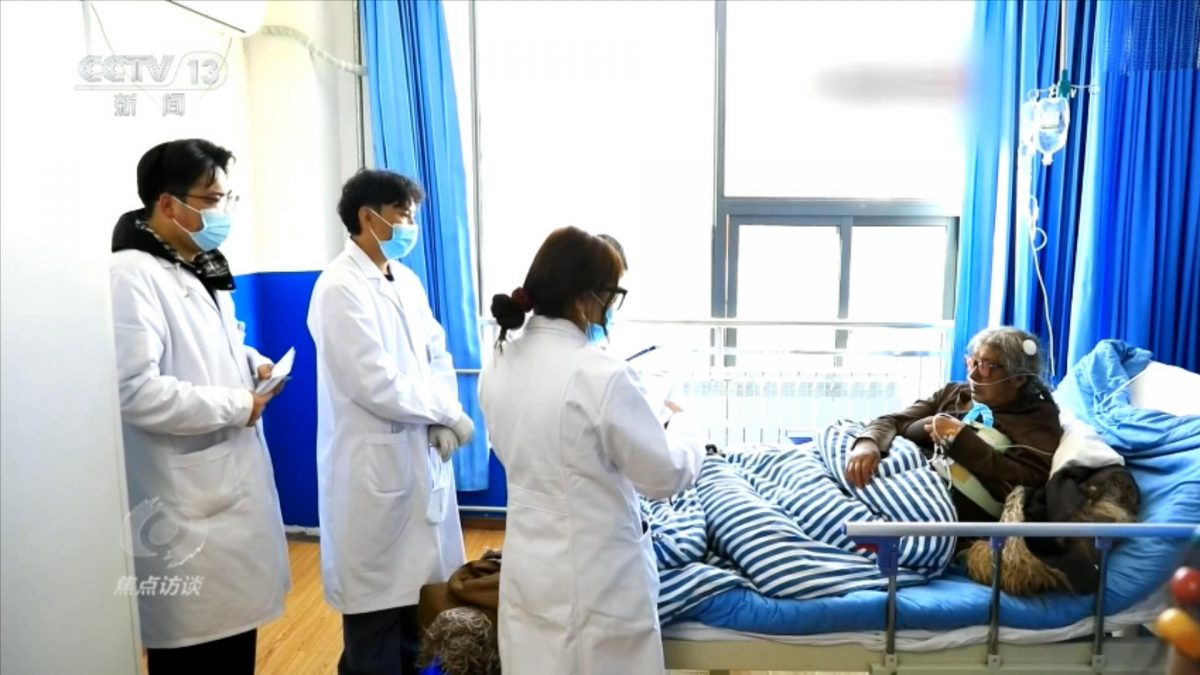
The reporter learned that in addition to providing treatment, medical staff also provided psychological comfort to the injured and their families.
In addition to the persistence of doctors, there is also the warmth of helping each other in the ward. A citizen from Suo County sent a meal of love to everyone.
Why did this earthquake happen? The China Seismological Network Center organized experts to conduct research and analysis immediately after the earthquake.
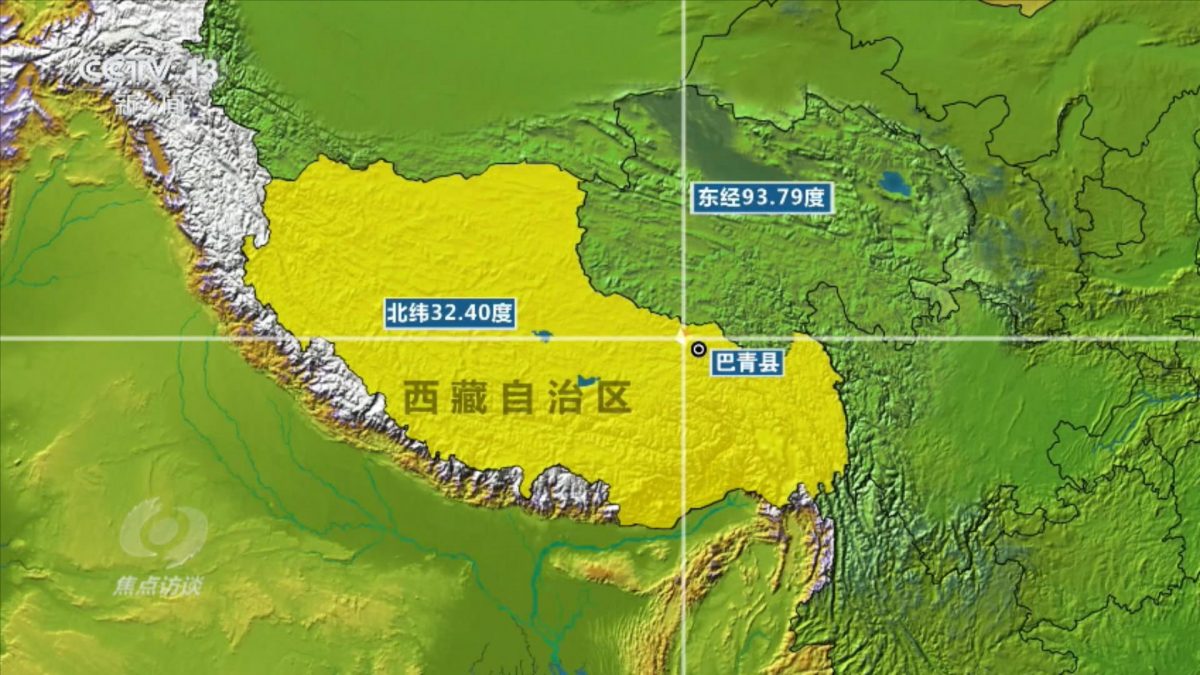
Han Yanyan, senior engineer at the China Seismological Network Center: "The epicenter of the 7.0-magnitude Baqing earthquake in Tibet was located within the Qiangtang massif of the Qinghai-Tibet Plateau. The fault closest to the earthquake is the Baqing-Leiwuqi fault, which is about 2 kilometers away. The uplift of the Tibetan Plateau, crustal shortening and thickening, and extensive plateau deformation caused by the collision of the Indian plate and the Eurasian plate are the controlling factors. The main dynamic mechanism of tectonic deformation in the western part of the continent. The interior of the Qinghai-Tibet Plateau is subject to both north-south compression and east-west tension. There are two typical faults in the plateau, nearly north-south and nearly east-west. The results of the focal mechanism analysis show that the 7.0-magnitude Baqing earthquake was a tensional rupture, which is basically consistent with the regional structural characteristics. "
Since 1900, there have been 6 earthquakes of magnitude 7 or above in the Qiangtang massif. No earthquake of magnitude 7 or above has occurred within 200 kilometers around the epicenter, and a total of 9 earthquakes of magnitude 6 or above have occurred. Experts believe that this earthquake was an energy release from the Qiangtang massif. After the energy is released, the risk does not end simultaneously.
Wang Dongming, Director and Senior Engineer of the Earthquake Risk Assessment Department of the China Earthquake Disaster Prevention Center: "Based on comprehensive analysis of regional tectonic characteristics, historical seismic activity levels, sequence characteristics, and geophysical observations, there is still the possibility of felt earthquakes in the original earthquake area and nearby areas in recent days. We will do our best to carry out mobile monitoring, disaster investigation, intensity assessment, etc., compile and release this earthquake intensity map as soon as possible, and serve the post-disaster recovery and reconstruction work."
According to the meteorological department, low temperatures may persist at this stage, and icy roads caused by snowfall will directly affect transportation and transfers.
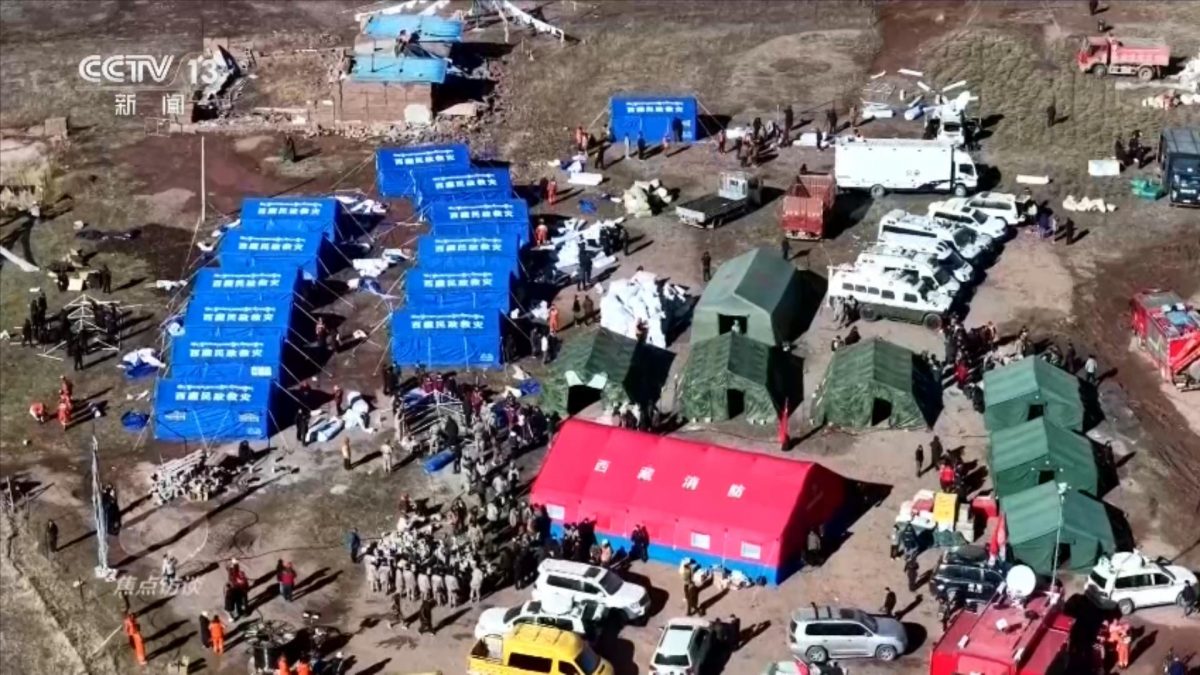
While racing against time for search and rescue operations, we are also preventing secondary disasters caused by aftershocks, wind and snow, and dark ice on the road. At present, local aftershocks still occur from time to time, the lowest temperature is around minus 5 degrees Celsius, and the risk of collapses and landslides has not been completely eliminated. The rescue operation in the Baqing earthquake area is a battle against time, high cold and hypoxia. A large number of rescue forces, from central government departments to local Tibetan areas, from the People's Liberation Army and the Armed Police Force to professional rescue teams, are carrying out scientific rescue operations. The allocation of materials, resettlement of people, and construction of prefabricated houses are also progressing simultaneously.